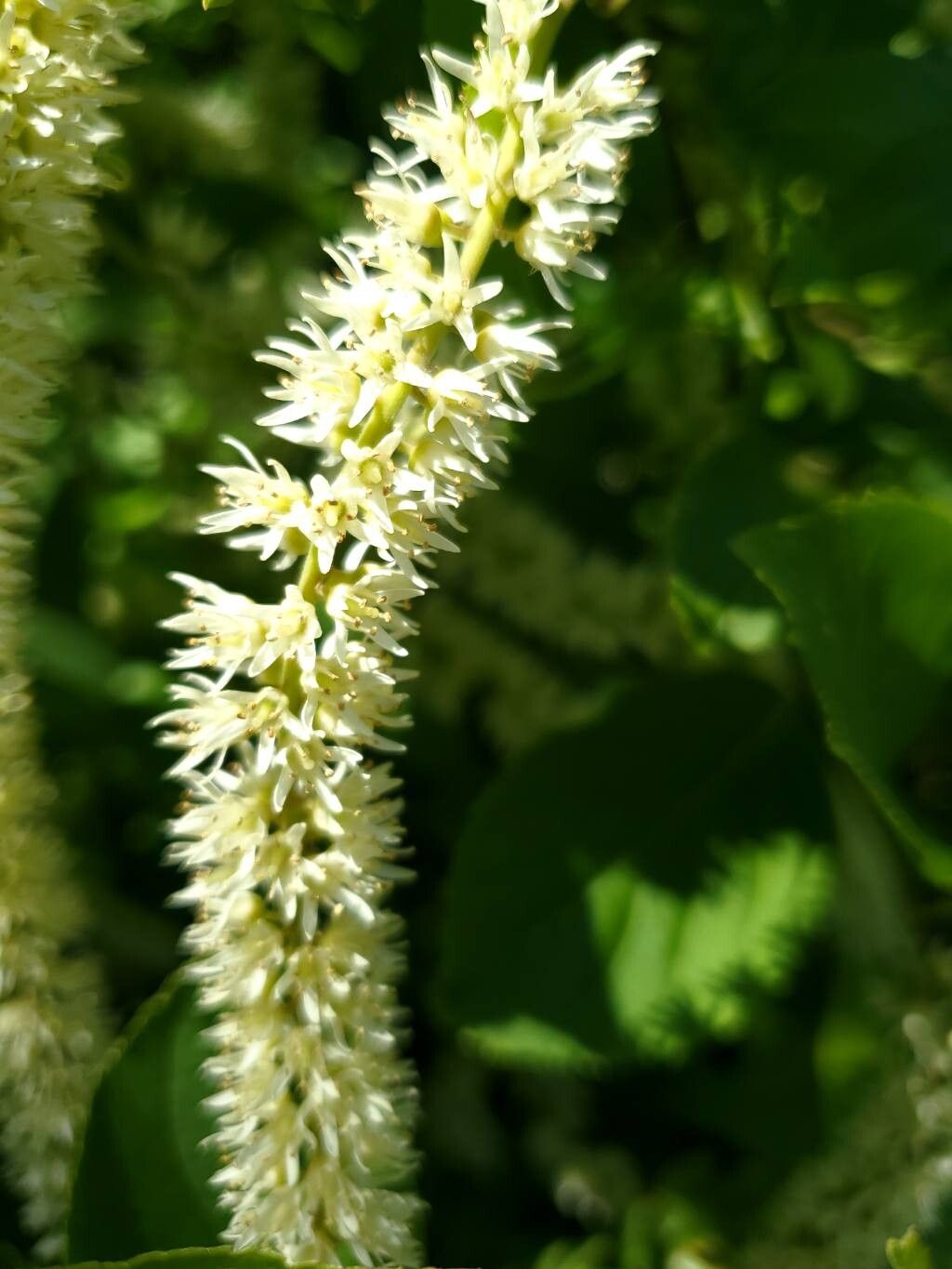
Hello, fellow garden enthusiasts! Today, we’re diving into the wonderful world of propagating Clethra alnifolia, also known as Sweet Pepperbush. If you’ve ever caught that intoxicating, sweet fragrance wafting from one of these beauties in late summer, or admired their elegantly bottlebrushed blooms, then you know why they’re such a prized addition to any garden. And the best part? You can bring that magic to more spots in your yard, or even share it with friends, by propagating your own!
I find propagating Sweet Pepperbush to be a truly rewarding endeavor. It’s not the trickiest plant to propagate, which makes it a fantastic project for beginners who want to expand their green thumb skills. Plus, there’s a special kind of joy in growing a plant from a tiny cutting or a divided root.
The Best Time to Start
For the highest chance of success, I always recommend starting your propagation efforts during the active growing season. This typically means late spring to early summer, after the plant has finished its initial burst of growth. You’re looking for young, flexible stems. Avoid woody, old growth; we want tender, vibrant material to work with.
Supplies You’ll Need
Gathering your tools beforehand makes the whole process so much smoother. Here’s what I typically have on hand:
- Sharp, clean pruning shears or a razor blade: Essential for making clean cuts that heal well.
- Rooting hormone: While not always strictly necessary for Clethra, it can definitely give your cuttings a helpful boost. Look for one that contains IBA (indole-3-butyric acid).
- Small pots or seed trays: For your cuttings. Ensure they have drainage holes!
- Propagating mix: A good blend is crucial. I like a 50/50 mix of peat moss and perlite, or a commercial seed-starting mix. It needs to be well-draining and airy.
- Plastic bags or domes: To create a humid environment for your cuttings.
- Watering can or spray bottle: For gentle watering.
- Optional: Heated propagator mat: This can speed up root development significantly, especially if your environment is cooler.
Propagation Methods
Sweet Pepperbush can be propagated successfully through a couple of easy methods. I’ll walk you through my favorites.
1. Stem Cuttings: My Go-To Method
This is my preferred way to propagate Clethra because it’s efficient and I get multiple new plants from a single parent.
- Take your cuttings: In late spring or early summer, select healthy, non-flowering stems from your mature Sweet Pepperbush. Use your sharp shears to take cuttings that are about 4-6 inches long. Make a clean cut just below a leaf node (where the leaves attach to the stem).
- Prepare the cuttings: Gently remove the lower leaves, leaving just a few at the top. This prevents them from rotting when buried in the soil. If you’re using rooting hormone, dip the cut end of each stem into it, tapping off any excess.
- Plant your cuttings: Fill your pots or trays with your well-draining propagating mix. Make a small hole in the center of each pot with your finger or a pencil. Insert the cut end of your prepared stem into the hole, ensuring the leaf nodes are below the surface.
- Water and cover: Water gently to settle the soil around the cuttings. Then, cover the pots with a plastic bag or a clear dome to create a humid microclimate. Make sure the plastic doesn’t touch the leaves.
2. Division: For Established Plants
If you have a larger, well-established clump of Sweet Pepperbush, division is a wonderful way to make more plants while also giving your existing one a nice rejuvenation.
- Dig up the plant: The best time for this is in early spring before new growth begins, or in fall after the leaves have dropped. Carefully dig around the perimeter of the plant, working your way inwards to lift the entire clump.
- Separate the roots: You can often see natural divisions where the roots have spread. Use a sharp spade or even a strong, sharp knife to carefully divide the root ball into sections. Each section should have at least a few healthy stems and a good amount of roots. If the roots are tightly tangled, you might need to gently pull them apart or rinse some soil away to see the best separation points.
- Replant immediately: Dig new holes in your garden or pots, and replant the divisions at the same depth they were previously growing. Water them in thoroughly.
The “Secret Sauce”
Here are a couple of things I’ve learned over the years that really help boost success rates:
- My number one tip? Keep those leaves out of the water! Whether you’re doing water propagation (which I find less reliable for Clethra than cuttings) or potting up cuttings, any leaves submerged in water are just a fast track to rot. Snip them off or ensure they stay above the soil line.
- Bottom heat is your friend. If you have a propagator or can place your pots on a gentle heat mat, this significantly encourages root formation. The warmth stimulates root growth from below, while the humidity above keeps the leaves happy. Don’t get it too hot though; think lukewarm, not searing!
Aftercare & Troubleshooting
Once your cuttings have roots – and you can usually tell by gently tugging on them, or if you see new leaf growth – it’s time to give them a bit more attention.
- Transition slowly: Gradually remove the plastic cover over a few days to acclimate them to normal humidity.
- Water carefully: Keep the soil consistently moist but not waterlogged. Overwatering is the quickest way to introduce root rot, which often appears as a black, mushy stem base. If you see this, sadly, that cutting is likely lost.
- Good light: Place your young plants in a bright spot with indirect light. Avoid scorching direct sun, which can stress them out.
- When to pot up: Once the roots are well-established and you see good top growth, you can pot them into slightly larger containers with a good quality potting mix.
A Gentle Encouragement
Gardening is a journey, and propagating plants is part of that exciting exploration. Don’t get discouraged if a few cuttings don’t make it; it happens to all of us! Be patient, observe your plants, and enjoy the wonderful process of bringing new life into your garden. Happy propagating!
Resource:
https://identify.plantnet.org/k-world-flora/species/Clethra%20alnifolia%20L./data