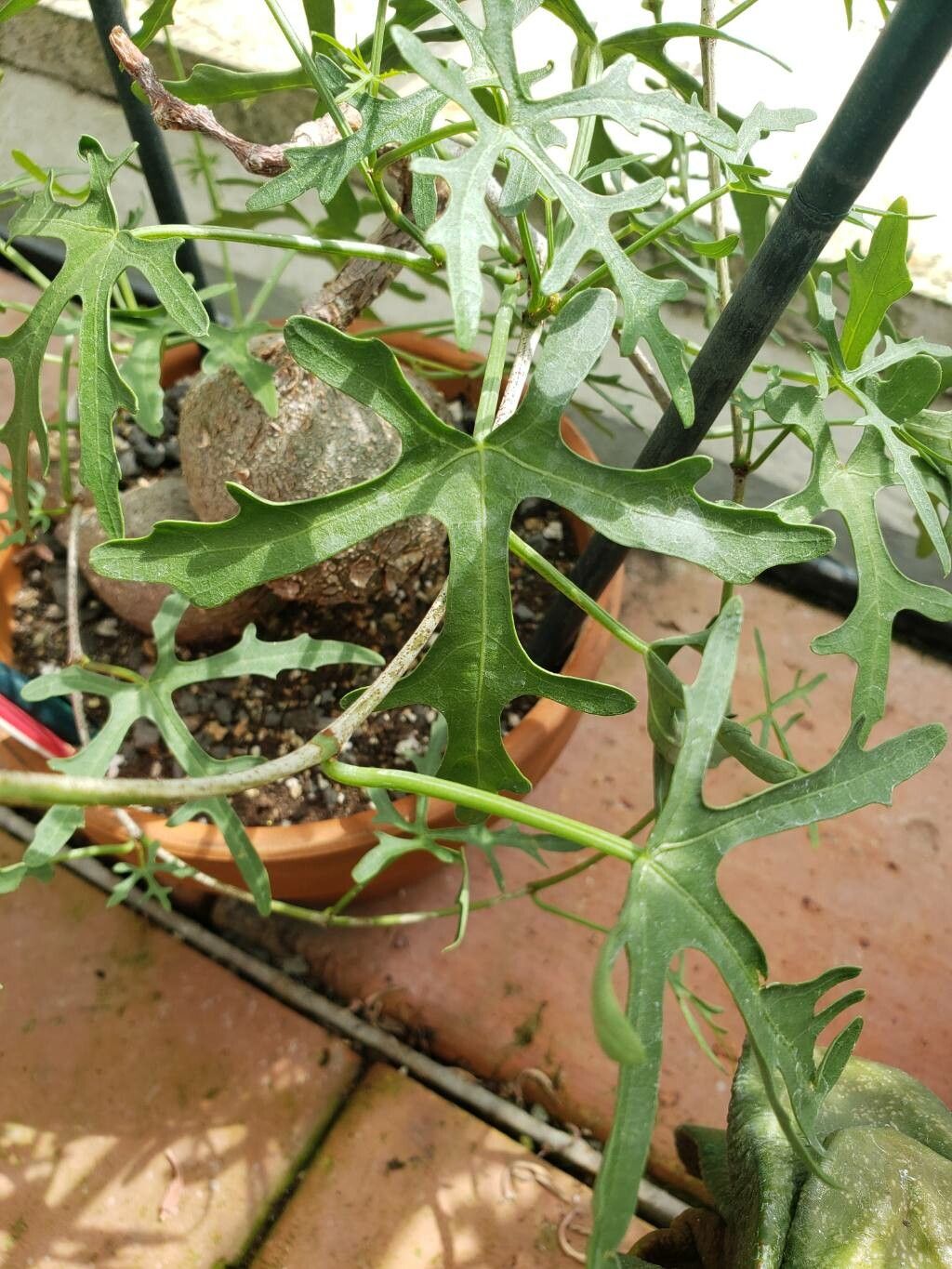
Oh, hello there! Grab a cup of your favorite brew, and let’s chat about propagating Cissus tiliacea. If you’ve ever admired this lovely vine, with its heart-shaped leaves and graceful tendrils, you know how rewarding it is to see it thrive. And the best part? Sharing that success with friends by gifting them a new plant you grew yourself!
Cissus tiliacea, sometimes called Grape Ivy, is a wonderfully forgiving plant. If you’re just starting out on your propagation journey, I think you’ll find this vine to be quite encouraging. It’s not a finicky diva, which means you’re likely to have success, and that’s the best way to build confidence, right?
The Best Time to Start
For the most enthusiastic rooting, I always aim to take cuttings in late spring or early summer. This is when the plant is actively growing, pushing out new energy, and more receptive to producing roots. You can get away with it in early autumn too, but you might find the rooting process takes a little longer.
Supplies You’ll Need
Before we dive in, let’s gather our supplies. Having everything ready makes the whole process much smoother:
- Sharp Pruning Shears or a Clean Knife: For making clean cuts on the stem.
- Rooting Hormone (Optional but Recommended): A little helps significantly. I like the powder form.
- Potting Mix: A well-draining mix is key. I usually use a blend of peat moss, perlite, and a bit of regular potting soil. You can also buy pre-made cactus or succulent mixes.
- Small Pots or Containers: Clean pots with drainage holes are essential. Yogurt cups with holes poked in the bottom work in a pinch!
- Water: For the water propagation method.
- Clear Plastic Bag or Dome: To create a humid environment for cuttings while they root.
- Gravel or Perlite (Optional): For improving drainage in pots, especially if your mix is a bit heavy.
Propagation Methods
Cissus tiliacea is quite versatile, and I find two main methods work wonders: stem cuttings and water propagation.
Stem Cuttings (My Go-To)
This is the most common and, in my opinion, the most reliable way to get new plants.
- Select a Healthy Stem: Look for a healthy, vibrant stem on your established Cissus. You want a section that’s not too woody but also not so soft and new that it’s flimsy.
- Make the Cut: Using your clean shears or knife, make a sharp, clean cut just below a leaf node. A leaf node is that little bump on the stem where a leaf emerges. This is where the magic happens, where roots typically form. Aim for cuttings that are about 4 to 6 inches long.
- Prepare the Cutting: Gently remove the leaves from the bottom half of your cutting. You can leave a couple of leaves at the top. This prevents them from rotting in the soil.
- Dip in Rooting Hormone: If you’re using rooting hormone, dip the cut end of the stem into the powder, tapping off any excess. This gives your cutting a little boost.
- Plant Your Cutting: Fill your clean pot with your well-draining potting mix. Make a small hole in the center with your finger or a pencil. Gently insert the cut end of your Cissus cutting into the hole, ensuring the nodes you removed leaves from are buried. Firm the soil gently around the stem.
- Water and Cover: Water the soil lightly. Then, place the pot inside a clear plastic bag or cover it with a dome to maintain high humidity. This is crucial for cuttings. Prop the bag up with a couple of sticks so it doesn’t touch the leaves.
- Place in Bright, Indirect Light: Find a warm spot for your pot that receives bright, indirect light. Avoid direct sun, which can scorch delicate cuttings.
Water Propagation
This is a fun and visual way to see roots develop!
- Follow Steps 1 & 2 above for selecting and cutting your stem.
- Remove Lower Leaves: Just like with soil propagation, remove the leaves from the bottom half of the cutting.
- Place in Water: Find a clean jar or glass and fill it with fresh, room-temperature water. Place your cutting in the water, making sure the leaf nodes are submerged.
- Avoid Submerged Leaves: This is a key point! Don’t let the leaves touch the water. If they do, they’re more likely to rot, and that can spread to the entire cutting.
- Change Water Regularly: Every few days, change the water to keep it fresh and prevent bacterial growth.
- Location, Location, Location: Place your jar in that same bright, indirect light location.
The “Secret Sauce” (Pro Tips)
You asked for a little insider knowledge, and I’m happy to share!
- The Power of Bottom Heat: If you’re serious about getting roots quickly, especially in cooler months, consider using a seedling heat mat. Placing your potted cuttings on a gentle heat mat can really encourage root development from below. Just make sure it’s set to a low, warm setting.
- Scrape for Success: For slightly more challenging cuttings (though Cissus usually isn’t), sometimes gently scraping a sliver of the outer bark off the very bottom of the stem can expose the cambium layer, which may promote faster rooting. Do this very carefully, just a small area!
- Don’t Disturb (Too Soon!): Resist the urge to tug on your cuttings to check for roots. Be patient! You’ll know roots are forming when you see new growth on the top of the cutting, or when you gently feel resistance if you were to try and pull it out (though I still advise against doing that too often).
Aftercare & Troubleshooting
Once your cuttings have developed a good root system – typically after 2-4 weeks for water propagation and maybe a little longer for soil – it’s time for them to move into their own pots (if you started in water) or just to continue growing (if you started in soil).
- Transplanting: If you’ve rooted in water, wait until the roots are at least an inch long before carefully potting them into your well-draining mix. Handle the new roots gently.
- Continued Care: Treat your new plant as you would a mature Cissus. Water when the top inch of soil feels dry, provide bright, indirect light, and enjoy watching it flourish!
- Troubleshooting: The most common issue you might encounter is rot. If your cutting turns mushy and black, it’s likely rotted from being too wet or from bacteria. This usually means starting over with a fresh cutting. Ensuring good drainage and avoiding overwatering are your best defenses. Yellowing leaves can sometimes indicate too much direct sun or inconsistent watering.
A Little Patience Goes a Long Way
Propagating plants is a journey, and like any good journey, it requires a bit of patience. Don’t be discouraged if a cutting doesn’t take. Every attempt teaches you something new! Enjoy the process of nurturing these tiny new lives, and before you know it, you’ll have a whole jungle of Cissus tiliacea to enjoy and share. Happy gardening!
Resource:
https://identify.plantnet.org/k-world-flora/species/Cissus%20tiliacea%20Kunth/data