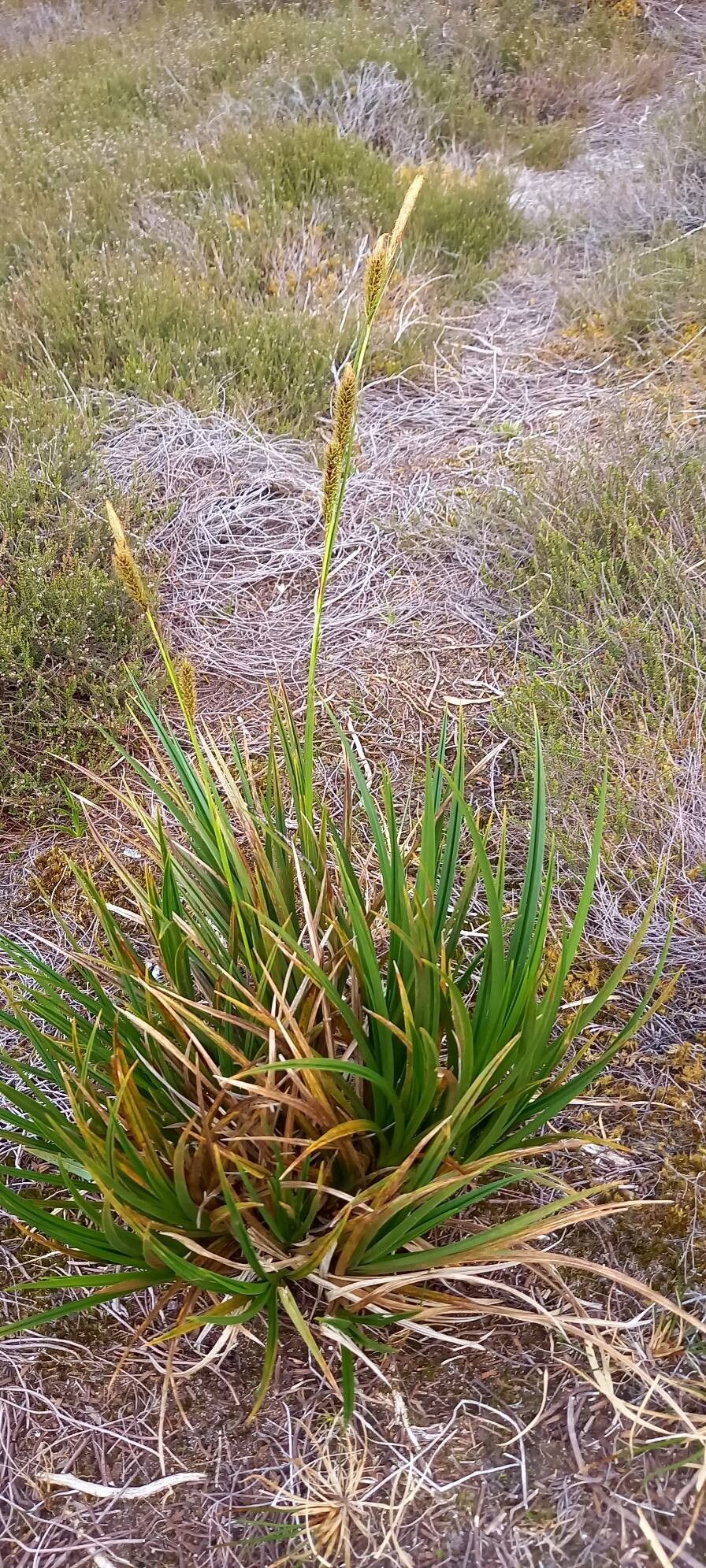
Oh, hello there! I’m so glad you’ve found your way to my little corner of the garden world. Today, we’re going to talk about a plant that has captured my heart over the years: Carex borbonica, or as I affectionately call it, the Bourbon Sedge.
Why Grow and Propagate Bourbon Sedge?
This sedge is just pure, unadulterated grace in the garden. Its flowing, arching foliage adds a wonderful texture and movement, whether it’s swaying in a gentle breeze or glistening after a spring shower. It brings a touch of the wild and the wonderful, yet is surprisingly adaptable. And let me tell you, there’s a special kind of satisfaction in taking a piece of your favorite plant and nurturing it into a whole new life. It’s like a secret handshake with nature itself! For beginners, I’d say Carex borbonica is a pretty friendly plant to start with. Its needs aren’t overly fussy, making propagation a joyful, rather than daunting, endeavor.
When to Get Your Hands Dirty
The absolute best time to propagate Carex borbonica is in the spring. As the days lengthen and the soil begins to warm, plants are bursting with energy. This vitality translates beautifully into successful propagation. You’re working with the plant’s natural growth spurt, giving your new babies the best possible start. You can sometimes get away with early fall propagation, but spring is truly prime time for maximum success.
Gathering Your Gardening Arsenal
Before we dive in, let’s make sure you’re equipped. Here’s what you’ll want to have on hand:
- Sharp Pruning Shears or a Clean Knife: For making clean cuts. Dull tools can crush stems and invite disease.
- Well-Draining Potting Mix: I like a blend of equal parts peat moss or coco coir, perlite, and compost. It gives good aeration and still holds a bit of moisture.
- Small Pots or Trays: Clean containers with drainage holes are essential.
- Rooting Hormone (Optional, but Recommended): This can give your cuttings a little boost, especially if you’re a beginner. Look for a powder or gel.
- Spray Bottle: For misting.
- Labels and a Pen: Because trust me, you will forget what’s what!
- Sharp Scissors: For cleaning up leaves.
Methods for Miracle Sprouts
Now, let’s get our hands dirty! There are a few ways to go about this, but division is usually the easiest and most reliable for sedges.
Method 1: The Joy of Division
This is my go-to for Carex borbonica.
- Assess Your Mother Plant: The best time to divide is when the plant is actively growing, ideally in spring. Gently dig around the base of the plant. You’re looking for established clumps.
- Gently Excavate: Carefully lift the entire plant from its pot or the ground. If it’s in the ground, loosen the soil around it with a trowel and then lift.
- Divide and Conquer: Once it’s out, you can see the root ball. You want to gently tease the plant apart. You can use your hands, or if it’s a bit stubborn, insert two forks back-to-back into the center of the clump and twist. You’re aiming for sections that have a good amount of roots and some healthy top growth – usually at least 2-3 shoots per division. Don’t be afraid to be a little firm, but avoid tearing the roots excessively.
- Pot It Up: Take your divisions and plant them into their new pots filled with your well-draining potting mix. Ensure the crown (where the leaves emerge from the roots) is at soil level.
- Water Well: Water thoroughly until water drains from the bottom of the pot. This helps settle the soil around the roots.
Method 2: Stem Cuttings (Slightly More Advanced)
While not always as straightforward for Carex as for some other plants, it can work!
- Select Your Cuttings: In spring, look for healthy, non-flowering stems that are about 4-6 inches long. Make a clean cut just below a leaf node (where a leaf attaches to the stem).
- Prepare the Cutting: Gently remove the lower leaves. You want to expose a portion of the stem to encourage rooting. You can dip the cut end into rooting hormone, tapping off any excess.
- Planting Time: Insert the cut end of the stem into your prepared potting mix. Make a small hole with a pencil or your finger first to avoid rubbing off the rooting hormone.
- Misting is Key: Mist the cuttings generously and cover the pot with a clear plastic bag or place it in a propagator to create a humid environment. Think of it as a tiny greenhouse.
The “Secret Sauce” from My Greenhouse
Here are a couple of things I’ve learned that really make a difference:
- Don’t Let the Water Touch the Leaves (for cuttings): If you’re starting cuttings in water (though division is generally better for sedges!), make sure only the cut stem is submerged, not the leaves. Leaves submerged in water will quickly rot, taking your cutting with them.
- Bottom Heat is Your Friend: For cuttings, placing your pots on a heated propagator mat can significantly speed up root formation. It mimics the warmth of spring soil and gives those little root initials a cozy place to develop.
Nurturing Your New Green Shoots
Once your divisions are potted up, or your cuttings show signs of rooting (you might see new leaf growth or feel a gentle tug when you lightly pull on a cutting), it’s time for gentle care.
- Keep them Moist, Not Soaked: Water regularly, but always check the soil moisture first. Stick your finger in about an inch. If it feels dry, water. If it feels moist, hold off. Overwatering is the fastest way to lose a new plant.
- Bright, Indirect Light: Place your new plants in a bright spot, but out of direct scorching sun. A windowsill that gets morning sun or a spot under a grow light is perfect.
- Acclimate Gradually: If you’ve used a propagator or plastic bag for cuttings, gradually introduce them to drier air over a week or two by opening the cover a little more each day.
Troubleshooting: The most common issue you’ll encounter is rot. If you see yellowing leaves that quickly turn mushy and black, or the stem at the soil line looks dark and soft, it’s usually a sign of too much moisture. Make sure your pots are draining well and let the soil dry out slightly before watering again. Sometimes, a cutting may just fail to root; don’t get discouraged! It happens to all of us.
Go Forth and Grow!
Propagating Carex borbonica is a truly rewarding experience. It’s a wonderful way to fill your garden with more of this beauty or to share it with fellow plant lovers. Be patient, observe your new plants, and enjoy the process of bringing new life into the world. Happy gardening!
Resource:
https://identify.plantnet.org/k-world-flora/species/Carex%20borbonica%20Lam./data