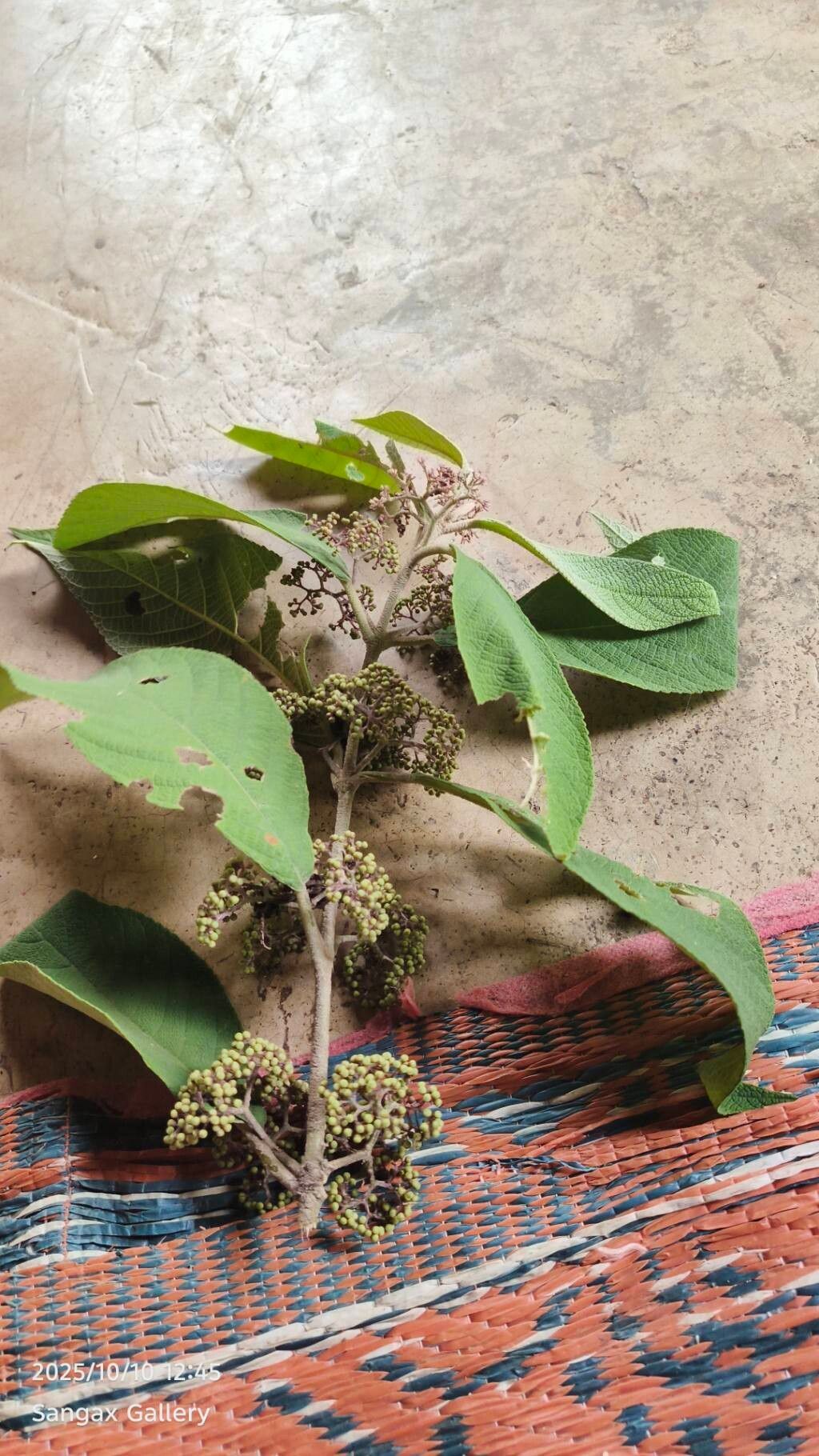
Hey there, fellow plant lovers!
If you’ve ever admired the delicate, pearly berries that Callicarpa macrophylla, or the beautyberry, drapes itself in during the autumn months, you know exactly why I’m so smitten with this plant. Those clusters of lavender-pink fruits are simply magical, transforming a garden into a jewel box. And you know what’s even more rewarding than admiring them? Creating more of them yourself! Propagating beautyberry is a wonderful way to share its charm with friends or simply expand your own collection without breaking the bank.
Now, are we talking about a plant that’s going to throw major tantrums if you look at it wrong? Not at all. Callicarpa macrophylla is, thankfully, quite forgiving. I’d say it’s a great choice for beginners looking to dip their toes into the world of propagation. You’ll likely have a high success rate with a little patience and these straightforward methods I’ll share.
The Best Time to Start
For the highest success rate, I always recommend taking cuttings from Callicarpa macrophylla during the late spring to early summer. This is when the plant is in its active growth phase. You’re looking for semi-hardwood cuttings. What does that mean? Think of a stem that’s firm enough that it snaps cleanly when bent slightly, but not so woody that it feels ancient. It should be flexible, not brittle.
Supplies You’ll Need
To get your beautyberry propagation journey started, here’s a handy list of what you’ll want to have on hand:
- Sharp Pruning Shears or a Craft Knife: For making clean cuts. Dull tools can crush stems, making it harder for them to root.
- Rooting Hormone (Optional, but Recommended): A powder or gel that encourages root development.
- A Well-Draining Potting Mix: I like a blend of equal parts peat moss, perlite, and vermiculite. A good seedling or propagation mix works wonders too.
- Small Pots or Seed Trays: Whatever you have available, as long as they have drainage holes.
- Clear Plastic Bags or Domes: To create a humid environment for your cuttings.
- Watering Can or Spray Bottle: For gentle watering.
- Labels: So you don’t forget what miracle you’ve conjured!
Propagation Methods
There are a couple of ways to go about this, but my favorite and most reliable method for Callicarpa macrophylla is stem cuttings.
Stem Cuttings:
- Select Your Stems: As I mentioned, aim for those semi-hardwood stems in late spring or early summer. Look for healthy, disease-free shoots.
- Take Your Cuttings: Using your sharp shears or knife, take cuttings that are about 4-6 inches long. Make the cut just below a leaf node (where a leaf emerges from the stem). This is where roots are most likely to form.
- Prepare the Cuttings: Gently remove the leaves from the bottom half of each cutting. You want to leave just a couple of leaves at the very top. This reduces water loss and energy the cutting needs to expend on foliage it can’t support yet.
- Apply Rooting Hormone: If you’re using it, dip the cut end of each stem into the rooting hormone, tapping off any excess.
- Plant Your Cuttings: Fill your pots with your prepared potting mix. Make a small hole in the center with your finger or a pencil. Insert the cut end of your cutting into the hole, making sure the leaf nodes you’ve removed are buried just below the surface.
- Water Gently: Water the soil thoroughly but gently. You want it moist, not soggy.
- Create Humidity: Cover the pot with a clear plastic bag or a propagator dome. Make sure the leaves aren’t touching the plastic. You can prop up the bag with a few small sticks if needed.
- Find the Right Spot: Place your pots in a bright location that receives indirect sunlight. Avoid direct sun, which can scorch the delicate cuttings.
The “Secret Sauce” (Pro Tips)
Here are a few little tricks I’ve picked up over the years that make a big difference:
- The Clean Cut is Crucial: Seriously, sterilize your tools before you start. A clean cut minimizes the risk of disease and allows the stem to heal and form roots more efficiently. A quick wipe with rubbing alcohol before you begin is all it takes.
- Bottom Heat is Your Friend: If you have a seedling heat mat, placing your pots on it can significantly speed up root formation. Callicarpa is happier with a little warmth from below, mimicking springtime soil temperatures. Don’t get it too hot, though – just a gentle warmth.
- Don’t Be Afraid to Propagate More Than You Need: Some cuttings will be more successful than others. It’s always better to start with a few extra, knowing that a handful might not make it. It’s just nature’s way!
Aftercare & Troubleshooting
Once you start seeing those little roots poking out of the drainage holes (this can take anywhere from 4 to 8 weeks, sometimes longer!), it’s time to give your new babies a little more attention.
- Acclimatize: Gradually remove the plastic bag or dome over a few days, allowing the plant to adjust to the lower humidity.
- Watering: Keep the soil consistently moist but not waterlogged. Let the top inch of soil dry out slightly between waterings.
- Transplanting: Once your cuttings have a good root system and a few new leaves, you can transplant them into slightly larger individual pots.
Now, what if things go south? The most common culprit for propagation failure is rot. If your cutting turns brown, mushy, and seems to be collapsing, it’s likely due to too much moisture and not enough air circulation. Ensure your soil drains well, and don’t let water sit in saucers. If you see signs of mold on the soil, gently scrape it off and ensure good airflow. Sometimes, a cutting just doesn’t take. Don’t get discouraged! Gardening is all about learning and trying again.
A Encouraging Closing
Growing new plants from cuttings is such a satisfying feeling. It’s a testament to the resilience of nature and your own nurturing touch. Be patient, enjoy the process of watching new roots emerge, and celebrate every tiny new leaf. Before you know it, you’ll have your own beautiful Callicarpa macrophylla to plant, share, and admire for years to come. Happy propagating!
Resource:
https://identify.plantnet.org/k-world-flora/species/Callicarpa%20macrophylla%20Vahl/data