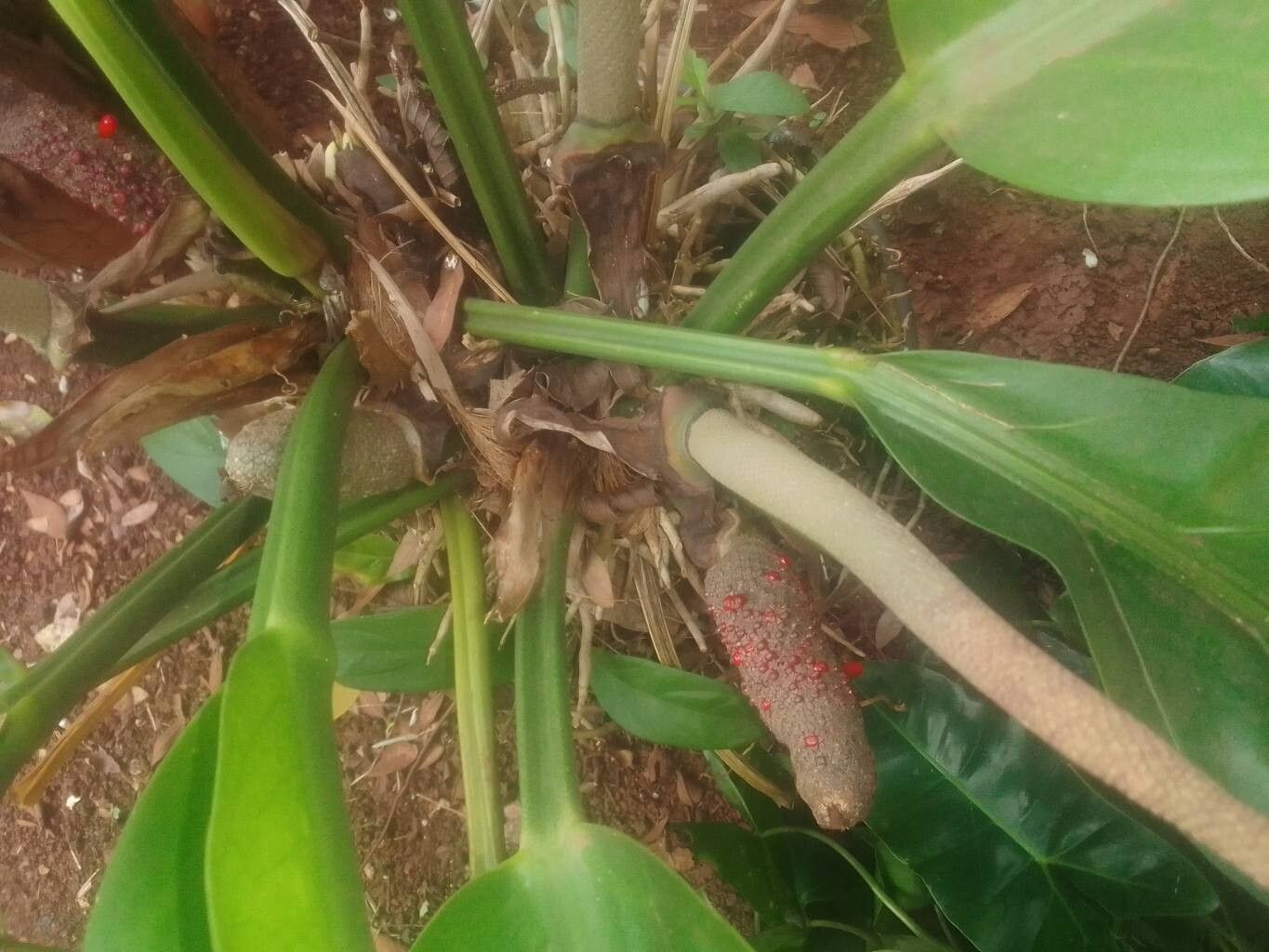
Hello fellow plant lovers! Today, we’re diving into the wonderfully rewarding world of propagating the stunning Anthurium cubense. I’ve spent countless hours nurturing these beauties, and let me tell you, watching a new plant emerge from a simple cutting is pure magic. The Anthurium cubense, with its velvety, heart-shaped leaves and elegant aerial roots, brings a touch of the tropics right into our homes. If you’ve ever admired its lush foliage and thought, “I wish I had more of those!”, you’re in the right place.
While Anthurium cubense can be a tad more demanding than your average pothos, it’s by no means impossible for a dedicated beginner. With a little patience and understanding, you’ll be well on your way to multiplying your collection.
The Best Time to Start
My experience tells me the sweet spot for propagating Anthurium cubense is during its active growing season. Think late spring through summer. This is when the plant is bursting with energy, making it more receptive to new growth and rooting. Trying to propagate when the plant is dormant, like in the dead of winter, is a recipe for frustration. You want that vigorous growth to kickstart your cuttings.
Supplies You’ll Need
Here’s what I always have on hand when I’m ready to propagate:
- Sharp, sterile pruning shears or a clean knife: Essential for making clean cuts that minimize damage and the risk of disease.
- Perlite or vermiculite: These help with aeration and drainage in your potting mix.
- Well-draining potting mix: I often use a blend of peat moss, perlite, and a bit of orchid bark for my anthuriums. You want something that won’t hold too much moisture.
- Small pots or propagation trays: Choose something that fits your cuttings well.
- Rooting hormone (optional but recommended): This can significantly speed up root development. I like powder or gel forms.
- Plastic bag or propagation dome: To create a humid microclimate for your cuttings.
- Water (distilled or filtered is best): For keeping things hydrated and for water propagation.
- Sphagnum moss (optional): Great for holding moisture and providing a good medium for roots.
Propagation Methods
Anthurium cubense can be a bit particular, but here are the methods that have consistently worked for me:
Stem Cuttings
This is my go-to method for Anthurium cubense.
- Identify a healthy stem: Look for a stem that has at least two to three nodes (the little bumps where leaves emerge). You’ll also want a healthy leaf or two attached.
- Make the cut: Using your sterile shears, make a clean cut just below a node. This is where new roots are most likely to form.
- Prepare the cutting: Gently remove any lower leaves that might end up submerged in soil or water, as these will just rot.
- Apply rooting hormone (optional): Dip the cut end of the stem into your chosen rooting hormone, tapping off any excess.
- Planting: Fill your small pot with your well-draining potting mix. Make a hole in the center and insert the cutting so that at least one node is below the surface. Gently firm the soil around the stem.
- Create humidity: Water the soil lightly and then cover the pot with a plastic bag or place it under a propagation dome. Make sure the bag doesn’t touch the leaves.
Water Propagation
This method is a bit more hands-off initially, but requires careful monitoring.
- Take your cutting: Follow steps 1-3 from the stem cutting method.
- Place in water: Fill a clean jar or glass with distilled or filtered water. Submerge the lower node(s) of the cutting. Crucially, make sure no leaves are touching the water.
- Location, location, location: Place the jar in a spot with bright, indirect light.
- Water changes: Change the water every 2-3 days to prevent bacterial growth. You’ll see roots start to emerge from the nodes after a few weeks.
- Potting up: Once the roots are about an inch long, you can carefully pot the cutting into your well-draining potting mix.
The “Secret Sauce” (Pro Tips)
Here are a couple of things I’ve learned over the years that make a real difference:
- Bottom Heat is Your Friend: Anthuriums love warmth, and providing gentle bottom heat can dramatically speed up root formation. A heating mat placed under your propagation trays or pots is invaluable. It mimics the warmth they’d feel in their natural habitat.
- Don’t Be Too Eager to Pot Up: When propagating in soil, resist the urge to check for roots constantly. Let the plant settle in. I usually wait 4-6 weeks before giving a gentle tug to see if there’s resistance. If you disturb it too early, you can break off fragile new roots.
Aftercare & Troubleshooting
Once you see signs of new growth or roots developing, congratulations!
- Gradual Acclimation: If you’ve used a plastic bag or dome, gradually introduce your new plant to drier air by opening the bag a little more each day over a week.
- Consistent Moisture: Keep the soil consistently moist but not soggy. Think of it like a wrung-out sponge.
- Humid Environment: Continue to provide high humidity. Misting can help, but a pebble tray or humidifier is even better.
- Indirect Light: Maintain bright, indirect light. Direct sun will scorch those tender new leaves.
The most common pitfall is rot. If your cutting turns mushy, black, or develops smelly, waterlogged spots, it’s likely succumbed to rot. This is usually due to overwatering, poor drainage, or lack of air circulation. If you see rot, remove the affected part immediately with sterile tools and try to salvage any healthy sections, adjusting your watering and air flow practices. Yellowing leaves that aren’t falling off can also indicate too much direct light or inconsistent watering.
A Little Patience Goes a Long Way
Propagating Anthurium cubense is a journey, not a race. There will be times when you question if it’s working, but trust the process. Observe your cuttings, adjust your care as needed, and celebrate every tiny new leaf or emerging root. You’ll be rewarded with a beautiful, flourishing plant you grew yourself. Happy growing!
Resource:
https://identify.plantnet.org/k-world-flora/species/Anthurium%20cubense%20Engl./data