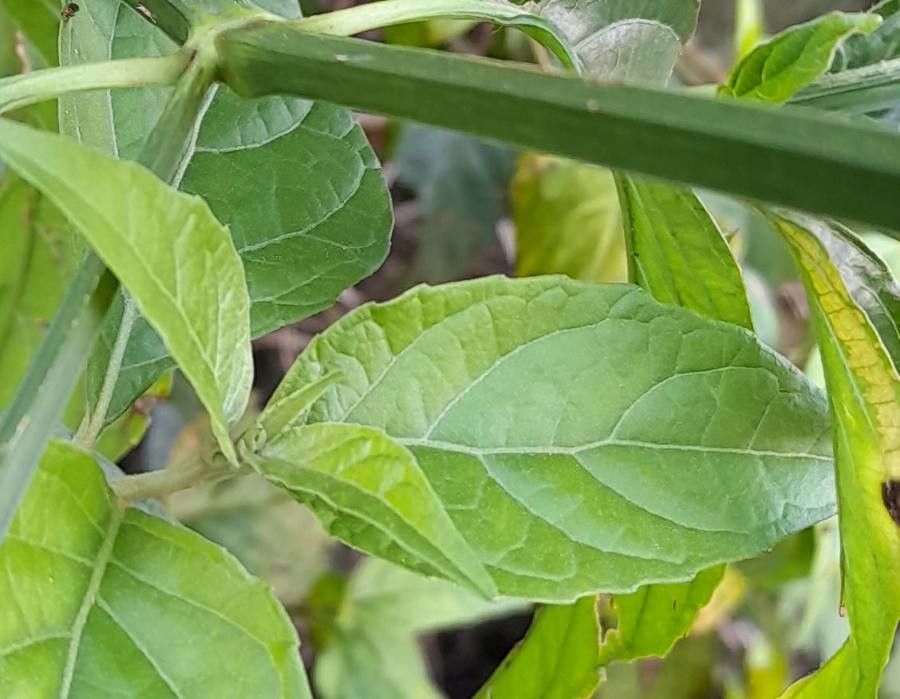
Hello, fellow plant enthusiasts! It’s me again, your friendly neighborhood plant whisperer, ready to chat about one of my garden’s most charming residents: Ruellia angustiflora. You know, those lovely plants with the delicate, trumpet-shaped blooms that just keep on coming all summer long? They’re like little bursts of joy in the garden, aren’t they? And the best part? They are wonderfully generous with their offspring, making propagation a truly rewarding endeavor. If you’re new to the plant parenting game, you’ll be delighted to hear that Ruellia angustiflora is quite forgiving, making it a fantastic choice for beginners looking to expand their green collection.
The Best Time to Start
Timing, as they say, is everything. For Ruellia angustiflora, the absolute sweet spot for taking cuttings is during its active growing season. Think late spring through early summer. This is when the plant has plenty of energy stored up to push out those new roots. You’re essentially borrowing a bit of that youthful vigor for your new babies. Trying to propagate from tired, old stems in the heat of deep summer or the chill of autumn is just setting yourself up for disappointment.
Supplies You’ll Need
Gathering your tools beforehand makes the whole process so much smoother. Here’s what I usually have on hand:
- Sharp pruning shears or a clean, sharp knife: Essential for making clean cuts.
- Rooting hormone (optional, but recommended): This stuff gives your cuttings a little nudge.
- Well-draining potting mix: A mix of equal parts peat moss or coco coir and perlite or coarse sand is just perfect. You can even buy pre-made seed starting mix.
- Small pots or propagation trays: Clean ones are a must!
- Watering can or spray bottle: For gentle watering.
- Plastic bags or a humidity dome: To create that humid microclimate.
Propagation Methods
Ruellia angustiflora is a champ at making more of itself, and I find a couple of methods work exceptionally well.
Stem Cuttings: My Go-To
This is my absolute favorite way to propagate Ruellia. It’s straightforward and often yields a high success rate.
- Select the right stem: Look for healthy, non-flowering stems that are about 4-6 inches long. A good stem will be firm but still flexible, not stiff and woody.
- Make the cut: Using your clean shears or knife, make a clean cut just below a leaf node. A leaf node is that little bump where a leaf emerges from the stem. This is where the magic happens, where roots will happily form.
- Prepare the cutting: Gently remove the lower leaves from the cutting, leaving just a couple at the top. This prevents them from rotting once you pot them up.
- Apply rooting hormone (optional): Dip the cut end into your rooting hormone. Tap off any excess.
- Plant it up: Fill your small pots with your prepared, moist potting mix. Make a small hole with your finger or a pencil and insert the cutting, ensuring the nodes are buried in the soil.
- Water gently: Water the soil lightly. You want it moist, not soggy.
- Create humidity: Cover the pot with a clear plastic bag, like a mini-greenhouse, or use a propagation tray with a lid. Make sure the leaves aren’t touching the sides of the bag.
Water Propagation: Easy Peasy
If you want to see those roots develop, this is a fun one!
- Take cuttings as above: Follow steps 1-3 for stem cuttings.
- Place in water: Plunge the cut end of the stems into a clean jar or glass filled with lukewarm water. Make sure no leaves are submerged.
- Change water regularly: Change the water every couple of days to keep it fresh and prevent bacterial growth.
- Watch and wait: You should see tiny white roots emerging within a few weeks.
- Pot them up: Once the roots are about an inch long, you can carefully transplant them into pots filled with your potting mix.
The “Secret Sauce” (Pro Tips)
Here are a few things I’ve learned over the years that seem to give my Ruellia cuttings an extra boost:
- Don’t overcrowd: Give each cutting its own space in the pot. They need good air circulation to prevent fungal issues.
- Bottom heat is your friend: If you have a heat mat designed for seedlings, placing your pots on it can dramatically speed up rooting. It mimics the warmth of tropical soils, which they just love.
- Be patient with the leaves in water: When propagating in water, I never let the leaves touch the water. They just turn into a slimy mess and can invite rot to the whole cutting.
Aftercare & Troubleshooting
Once you start seeing new leaf growth on your cuttings, or roots poking out of the bottom of the pot, congratulations! You’ve got a new baby Ruellia!
- Acclimatize: If you used a plastic bag or dome, gradually remove it over a few days to help your new plant adjust to normal humidity levels.
- Watering: Water your new plants when the top inch of soil feels dry. They like consistent moisture but absolutely hate soggy feet.
- Light: Place them in bright, indirect light. Too much direct sun can scorch delicate new growth.
Now, what if things go wrong? The most common culprit is rot. If your cutting turns mushy, black, or starts to smell a bit funky, it’s usually a sign of overwatering or poor air circulation. Sadly, once rot sets in, it’s hard to save the cutting. Don’t be discouraged, though! Just toss the sad specimen and try again. Sometimes, a cutting might just fizzle out, not showing any signs of life. This can happen for a myriad of reasons, from the cutting itself not being quite ready, to less-than-ideal conditions.
A Little Encouragement
Seeing a tiny cutting transform into a thriving plant is one of the most satisfying moments in gardening. Remember, like any good relationship, propagation takes a little patience and care. Don’t be afraid to experiment, to try again if something doesn’t work out. Embrace the journey, enjoy the process of nurturing new life, and soon you’ll have a whole garden full of these cheerful Ruellia blooms! Happy planting!
Resource: