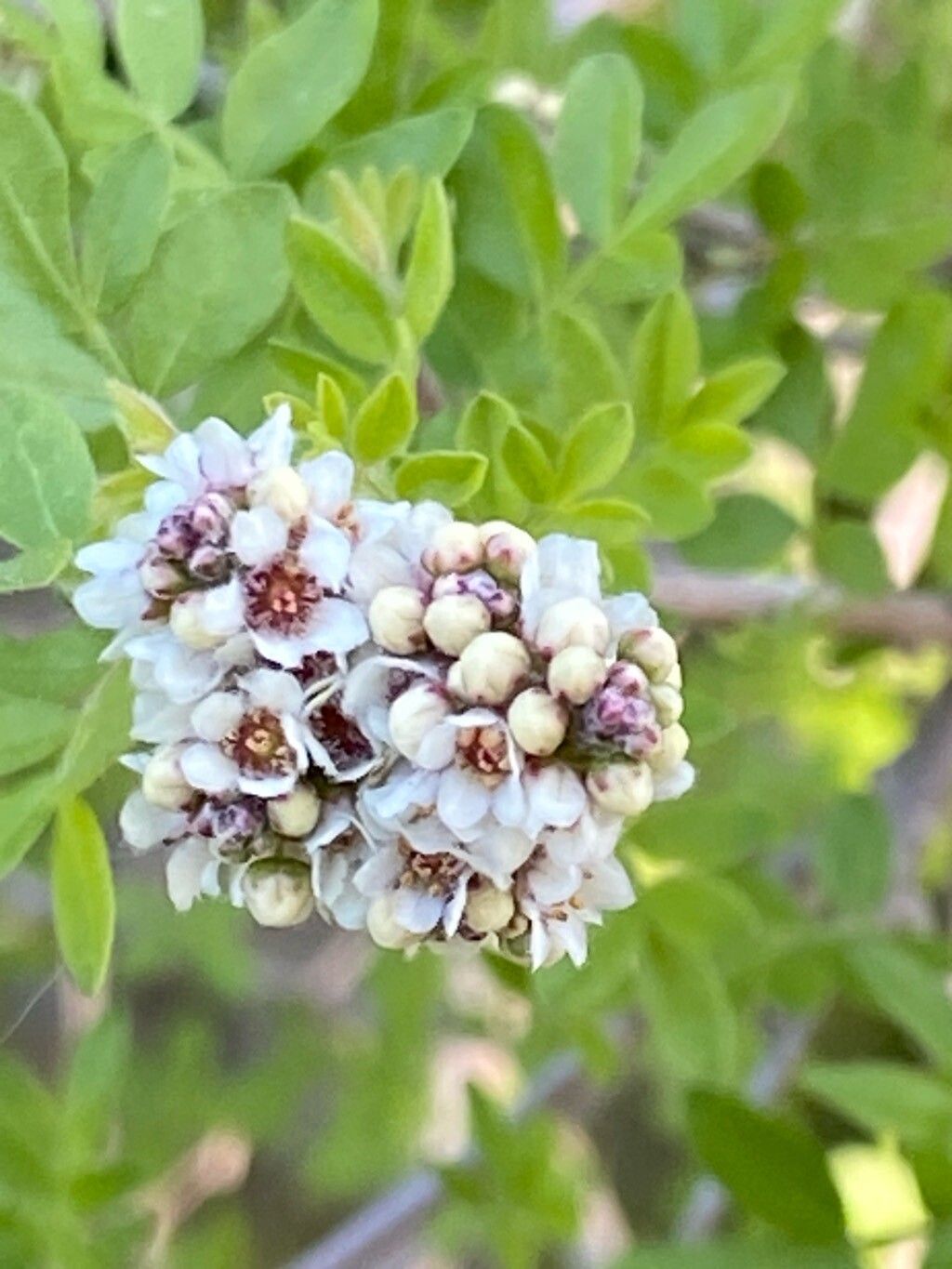
Hello fellow garden enthusiasts! It’s so lovely to have you here. Today, we’re diving into the wonderful world of propagating Rhus microphylla, or Littleleaf Sumac. I’ve been growing and admiring these beauties for years, and there’s something incredibly satisfying about nurturing a new plant from a tiny piece of an old one.
Littleleaf Sumac offers such a charming, almost delicate presence in the garden, with its fine foliage and lovely pyramidal shape. It’s a real winner for arid landscapes, bringing texture and a touch of wildness. And honestly, propagating it is a fantastic way to expand your collection or share these gems with friends. For beginners, I’d say it’s moderately easy. It requires a little patience, but the rewards are absolutely worth it!
The Best Time to Start
My favorite time to get started with Rhus microphylla propagation is in late spring to early summer. This is when the plant is in an active growth phase, and the new stems are often more pliable and responsive to rooting. You want to look for shoots that have started to harden off a bit, but are still flexible. Think of it as the plant’s prime time to show off its vitality!
Supplies You’ll Need
Before we get our hands dirty, let’s gather our tools. Having everything at the ready makes the process so much smoother.
- Sharp Pruning Shears or a Clean Knife: For taking clean cuts.
- Rooting Hormone (Optional but Recommended): A powder or gel that encourages root development.
- Well-Draining Potting Mix: A good blend for us is typically one part peat moss or coco coir, one part perlite, and one part coarse sand.
- Small Pots or Seedling Trays: About 4-6 inch pots are perfect for starters.
- Clear Plastic Bags or Domes: To create a humid microclimate.
- Watering Can with a Fine Rose: For gentle watering.
- A Sunny (But Not Scorching) Location: Or the use of grow lights if natural light is limited.
Propagation Methods
There are a couple of tried-and-true ways to get new Rhus microphylla plants going. I find stem cuttings to be the most reliable.
Stem Cuttings:
- Select Your Cuttings: In late spring or early summer, choose healthy, semi-hardwood stems. You’re looking for pieces about 4-6 inches long. Make your cut just below a leaf node – that’s where the roots are most likely to form.
- Prepare the Cuttings: Gently remove the lower leaves, leaving just a few at the top. This reduces water loss and prevents leaves from rotting in the soil.
- Apply Rooting Hormone (If Using): Dip the cut end of each stem into your rooting hormone, tapping off any excess.
- Plant the Cuttings: Fill your pots with the well-draining potting mix. Make a small hole with a pencil or your finger and insert the cutting, ensuring the nodes where you removed leaves are covered by soil. Gently firm the soil around the base.
- Water Gently: Water the soil thoroughly until it’s moist but not waterlogged.
- Create Humidity: Cover the pots with a clear plastic bag, secured with a rubber band, or use a seedling dome. This is crucial for keeping the cuttings turgid until they root. You can poke a few small holes in the bag for aeration, or lift it daily for a few minutes.
- Provide Light and Warmth: Place the pots in a bright spot that receives indirect sunlight. Avoid direct, hot sun, which can scorch the young cuttings. If you have a heat mat, placing the pots on it can really speed up the rooting process.
The “Secret Sauce” (Pro Tips)
Here are a few things I’ve learned over the years that can really boost your success rate:
- Take More Than You Think You Need! Not every cutting will take. It’s far better to have a few extras to choose from later than to be disappointed by a low strike rate. I usually aim for at least twice as many as I want to end up with.
- Don’t Overwater the Soil Initially. While humidity is key, soggy soil is the enemy of cuttings. You want the mix to be consistently moist, not soaking wet. It’s easier to add water than to deal with rot.
- Check for Rooting by Gently Tugging. After about 4-6 weeks, give a cutting a very gentle tug. If you feel resistance, it means roots are forming! You can also check for tiny white root tips peeking through the drainage holes.
Aftercare & Troubleshooting
Once you feel that resistance or see those little white roots, the real magic begins!
Continue to keep your new plants consistently moist and humid for another few weeks. Gradually acclimate them to lower humidity by poking more holes in the plastic or lifting the dome for longer periods. Once they show good new growth, you can remove the plastic entirely.
The most common issue you might encounter is rot. This usually happens if the cuttings are kept too wet or if there isn’t enough air circulation. If you see a cutting turn black and mushy, unfortunately, it’s best to remove it. Ensure good drainage in your potting mix, and don’t let water sit in saucers.
A Encouraging Closing
There you have it! Propagating Rhus microphylla is a rewarding journey that connects you more deeply with your garden. Be patient, observe your cuttings closely, and don’t be discouraged if a few don’t make it. Every gardener has had their trials! Enjoy the process, celebrate each new root, and soon you’ll have your own Littleleaf Sumac babies to nurture and admire. Happy propagating!
Resource:
https://identify.plantnet.org/k-world-flora/species/Rhus%20microphylla%20Engelm./data