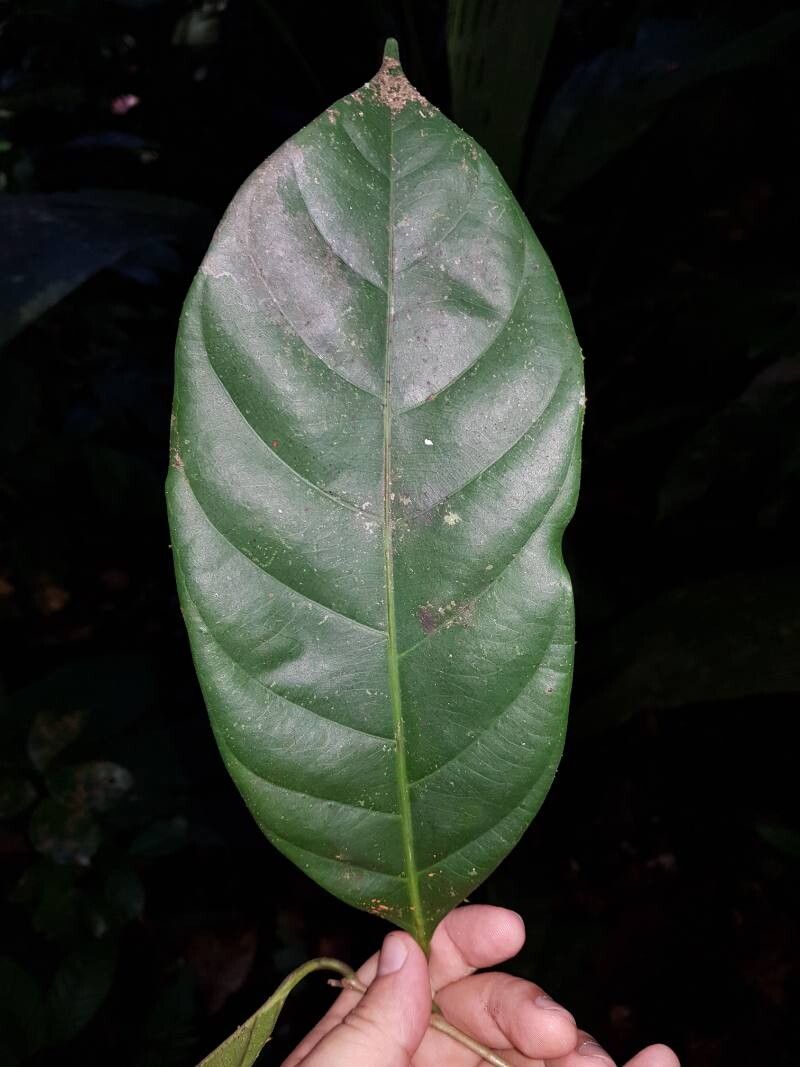
Hello, plant lovers! Today, we’re diving into the wonderful world of Pouteria izabalensis, a truly special tree that’s becoming a favorite for its delicious, custard-apple-like fruit. If you’ve tasted its creamy sweetness, you know why you’ll want more than one! Propagating these beauties is a fantastic way to expand your edible garden or share the joy with friends. While it’s not the absolute easiest plant for a complete beginner, with a little patience and practice, it’s absolutely achievable, and oh-so-rewarding.
The Best Time to Start
For the highest success rates with Pouteria izabalensis, aim to take cuttings in the late spring or early summer. This is when the plant is actively growing, energized by warmer temperatures and longer days. You want to look for stems that are semi-hardwood – they are firm but still have a bit of flexibility. Avoid very young, tender shoots or old, woody branches.
Supplies You’ll Need
Here’s what you’ll want to have on hand before you begin:
- Sharp, clean pruning shears or a knife: Sterilize them with rubbing alcohol to prevent disease.
- Rooting hormone powder or gel: This is a crucial step to encourage root development.
- Well-draining potting mix: A blend of peat moss, perlite, and a little bit of compost works beautifully. You can also use a specialized seed starting or cutting mix.
- Small pots or trays: Clean pots with drainage holes are essential.
- Plastic bags or a clear dome: To create a mini-greenhouse effect.
- Watering can with a fine rose: For gentle watering.
Propagation Methods: Stem Cuttings
This is by far the most common and successful method for Pouteria izabalensis. Let’s get those hands dirty!
- Select Your Cuttings: Choose healthy, vigorous stems from your mature plant. Look for sections that are about 4-6 inches long. Remove any flowers or developing fruit.
- Prepare the Cuttings: At the bottom of each cutting, make a clean cut just below a leaf node. This is where roots are most likely to form. Strip off the lower leaves, leaving just 2-3 leaves at the top. If the remaining leaves are very large, I like to cut them in half horizontally to reduce water loss through transpiration.
- Apply Rooting Hormone: Dip the cut end of each stem into your rooting hormone, ensuring it’s evenly coated. Tap off any excess.
- Plant the Cuttings: Make a hole in your prepared potting mix with a pencil or your finger. Insert the cutting into the hole and gently firm the soil around it. Ensure no leaves are touching the soil.
- Create the Mini-Greenhouse: Water the pots thoroughly but gently. Then, cover the pots with a clear plastic bag (supported by sticks so it doesn’t touch the leaves) or place them under a propagation dome. This humidity is key!
- Find the Right Spot: Place the pots in a warm location with bright, indirect light. Avoid direct sunlight, which can scorch the cuttings.
The “Secret Sauce” (Pro Tips)
I’ve learned a thing or two over the years, and these little tricks can make a big difference:
- Bottom Heat is Your Friend: If you can, place your pots on a heating mat designed for seedlings or cuttings. This gentle warmth from below significantly speeds up root formation by encouraging the plant’s natural rooting hormones.
- Don’t Rush the Transplant: Resist the urge to pull at your cuttings to check for roots! You’ll know they’re ready when you see new leaf growth or feel a gentle resistance when you very lightly tug. This can take anywhere from 4 to 12 weeks, so patience is vital.
- A Wee Bit of Diluted Fertilizer: Once you see consistent new growth, about 4-6 weeks after planting, you can start feeding them. Use a very dilute solution of a balanced liquid fertilizer (like half strength) every few weeks.
Aftercare & Troubleshooting
Once your cuttings have rooted and are showing good growth, it’s time to gently acclimate them.
- Gradual Acclimation: Over a week or two, gradually remove the plastic bag or dome for increasing periods to let them adjust to the drier ambient air.
- Repotting: When they look robust and have a good root system (visible through drainage holes), it’s time to transplant them into slightly larger pots with your regular potting mix.
- Common Pitfalls: The most common issue you might face is rot. This is usually caused by overwatering or poor drainage. If a cutting looks black and mushy, it’s likely rotted. Remove it immediately to prevent it from spreading. Yellowing leaves without new growth can sometimes indicate they aren’t getting enough light or are a bit stressed.
A Warm Closing
Propagating Pouteria izabalensis is a journey, and like all gardening adventures, it comes with its learning curves. Don’t be discouraged if not every cutting succeeds. Each attempt is a learning experience! Celebrate the small victories, enjoy the process of nurturing these new little lives, and soon you’ll be enjoying your own homegrown, delicious fruit. Happy planting!
Resource:
https://identify.plantnet.org/k-world-flora/species/Pouteria%20izabalensis%20(Standl.)%20Baehni/data