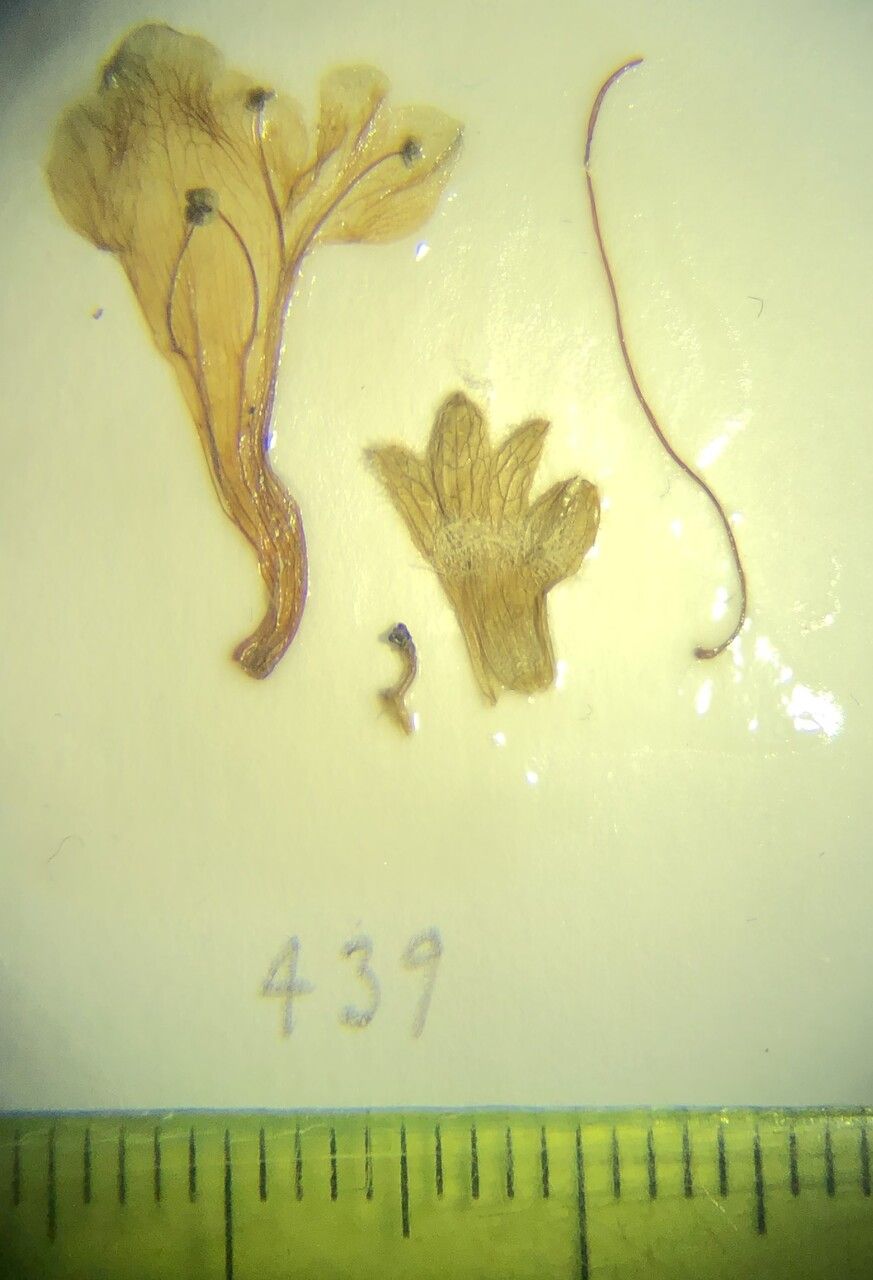
Ah, Nepeta decolorans! Isn’t she a beauty? I’ve been growing this lovely herb for years, and every time it bursts into bloom, I’m struck by its delicate charm and fragrant foliage. It’s one of those plants that just invites you to get closer, to inhale its subtle, minty scent. And the best part? Propagating it is surprisingly straightforward, making it a rewarding project for gardeners of all levels, even beginners. There’s a special kind of joy in watching a tiny cutting transform into a flourishing plant, ready to share its beauty with your garden.
The Best Time to Start
For Nepeta decolorans, my favorite time to get propagating is in late spring to early summer. This is when the plant is actively growing but before it gets too stressed by the intense heat of midsummer. You’re looking for stems that are firm but not woody – think of them as new growth that’s had enough time to mature a bit. Think of it like picking a ripe strawberry; the timing is just right.
Supplies You’ll Need
Gathering your tools beforehand makes the whole process so much smoother. Here’s what you’ll want:
- Sharp pruning shears or a clean knife: For taking those all-important cuttings.
- A well-draining potting mix: I usually blend about two parts peat moss or coco coir with one part perlite. This lets the roots breathe and prevents sogginess.
- Small pots or propagation trays: Clean ones are key to avoid any lingering nasties.
- Rooting hormone (optional but recommended): While Nepeta decolorans roots fairly easily, a little hormone can give it a helpful boost. I prefer the powder form, but liquid works too.
- A plastic bag or propagation dome: This creates a humid microclimate for your cuttings.
- Watering can or spray bottle: For gentle watering.
- Labels and a pen: Because trust me, you will forget which pot is which!
Propagation Methods
I find that stem cuttings are the most reliable way to multiply Nepeta decolorans. It’s tried and true!
- Take Your Cuttings: Head out to your Nepeta decolorans plant in the late morning after the dew has dried. Look for healthy, non-flowering stems. You’re aiming for pieces that are about 3-5 inches long. Use your clean shears to make a clean cut just below a leaf node (that little bump where a leaf attaches to the stem). Remove the lower leaves, leaving just a few at the top.
- Prepare for Rooting: If you’re using rooting hormone, dip the cut end of each stem into the powder, tapping off any excess.
- Plant Your Cuttings: Fill your small pots with your prepared potting mix. Make a small hole in the center of the soil with your finger or a pencil. Gently insert the cut end of your Nepeta cutting into the hole and firm the soil around it.
- Water and Cover: Give the soil a gentle watering to settle it around the cuttings. Then, cover the pot with a plastic bag or place it inside a clear plastic bag, creating a tent. You want to trap that humidity! If you have a propagation dome, just pop it on top.
- Placement: Find a bright spot out of direct sunlight. A north-facing windowsill is often perfect, or you can place them under grow lights.
The “Secret Sauce” (Pro Tips)
Here are a few things I’ve learned over the years that really make a difference:
- Don’t let the leaves touch the water: If you opt for water propagation (which works, but I find cuttings in soil root more reliably), always ensure the leaves are not submerged. Rot sets in quickly if they are. Only the stem should be in the water.
- Bottom heat is your friend: If you can, place your pots or trays on a seedling heat mat. This subtle warmth encourages root development from below, significantly speeding up the process and increasing success rates, especially in cooler environments.
- Mist, don’t drown: When you’ve got your cuttings covered, check on them every couple of days. If the soil looks dry, give it a light misting. You want the soil to be consistently moist, but never soggy. Waterlogged cuttings are a fast track to failure.
Aftercare & Troubleshooting
Once your Nepeta cuttings have started to develop roots – you’ll know when you feel a gentle resistance when you tug lightly on a cutting, or when you see new growth – it’s time for a little more attention.
Gradually introduce them to fresh air by opening the plastic bag or dome a little each day over a week. This hardens them off and prevents shock. Continue to keep them in bright, indirect light and water them when the top inch of soil feels dry. Once they have a good root system and are showing consistent new growth, you can transplant them into their own small pots with regular potting soil.
The biggest enemy of cuttings is rot. If you see stems turning mushy and black, or if cuttings just wilt and die, it’s usually a sign of too much moisture and poor air circulation. Make sure your potting mix is airy, and don’t overwater. If you see any signs of mold, remove the affected cuttings and improve ventilation.
A Little Patience Goes a Long Way
There you have it! Propagating Nepeta decolorans is a journey worth taking. Don’t be discouraged if your first few attempts aren’t perfect; gardening is all about learning and adapting. Enjoy the process, celebrate each tiny sign of success, and soon you’ll have more of this delightful plant to fill your garden with its gentle fragrance and charm. Happy gardening!
Resource:
https://identify.plantnet.org/k-world-flora/species/Nepeta%20decolorans%20Hemsl./data