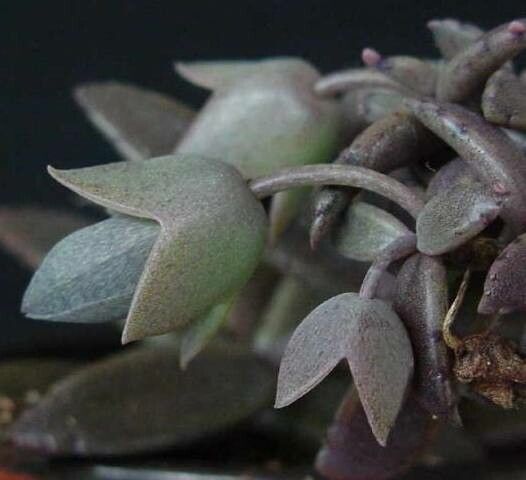
Oh, Kalanchoe beauverdii! If you’ve ever admired those delicate, trailing stems adorned with tiny, bell-shaped flowers, you’re not alone. This Kalanchoe variety has a certain charm that makes it a favorite for hanging baskets and succulent arrangements. And the best part? Propagating it is a truly rewarding experience, bringing you more of that lovely greenery to share or enjoy.
Now, for the good news: Kalanchoe beauverdii is actually quite beginner-friendly when it comes to propagation. You don’t need to be a seasoned pro to succeed with this one. It’s forgiving and eager to grow, which is always a joy for us gardeners.
The Best Time to Start
For the highest success rates with your Kalanchoe beauverdii, aim to propagate during its active growing season. This typically falls in the spring and early summer. When the plant is showing new growth and has plenty of energy, it’s more likely to root quickly and vigorously. You can sneak in some propagation in late summer, too, but spring is usually the sweet spot.
Supplies You’ll Need
Gathering your tools beforehand makes the whole process smoother. Here’s what you’ll want to have on hand:
- Sharp pruning shears or a clean knife: For making clean cuts.
- Well-draining potting mix: A cactus and succulent mix is perfect. You can also mix in some perlite or pumice for extra aeration.
- Small pots or seed trays: Whatever you have that’s clean and has drainage holes.
- Rooting hormone (optional but recommended): This gives your cuttings a little booster.
- Spray bottle: For gently misting.
- Gloves (optional): Some people find succulent sap a bit sticky.
Propagation Methods
Kalanchoe beauverdii is wonderfully versatile, and you have a couple of easy ways to get new plants going.
1. Stem Cuttings: My Go-To Method
This is usually the easiest and quickest way to propagate.
- Select a healthy stem: Look for a mature, but not woody, stem that’s about 3-6 inches long.
- Make a clean cut: Using your sharp shears or knife, cut the stem just above a leaf node (where a leaf attaches to the stem). This is where roots are most likely to form.
- Remove lower leaves: Gently pull off the leaves from the bottom 1-2 inches of the cutting. This prevents them from rotting in the soil.
- Let it callus: This is crucial! Place your cuttings in a dry, airy spot for 2-3 days until the cut end dries and forms a callus. This prevents rot.
- Dip in rooting hormone (optional): If you’re using it, lightly dip the callused end of the cutting into the rooting hormone powder. Tap off any excess.
- Plant your cuttings: Fill your small pots with the well-draining soil mix. Make a small hole and insert the callused end of the cutting, ensuring at least one leaf node is below the soil surface. Gently firm the soil around it.
- Water lightly: Give the soil a very gentle watering. You want it to be moist, not soggy.
2. Water Propagation: A Visible Success
Some folks love seeing roots form in water, and Kalanchoe beauverdii can do well with this method.
- Prepare your cuttings: Follow steps 1-3 from the stem cutting method above.
- Place in water: Find a clean glass or jar and fill it with fresh water. Place your cuttings in the water, making sure no leaves are submerged. The leaf nodes should be in the water.
- Find a bright spot: Place the jar in a location that receives bright, indirect light.
- Change the water regularly: Change the water every few days to keep it fresh and prevent bacterial growth.
- Wait for roots: You should start to see tiny white roots emerge from the nodes within a few weeks. Once the roots are about an inch long, you can carefully transplant them into soil, following the planting instructions for stem cuttings.
The “Secret Sauce” (Pro Tips)
After years of getting my hands dirty, I’ve picked up a few tricks that really help.
- Don’t overwater after planting: This is probably the number one killer of cuttings. Kalanchoes are succulents, after all! Let the soil dry out slightly between waterings once the cuttings are in soil. You’re aiming for consistently slightly moist, not wet.
- Bottom heat is your friend: If you’re propagating in a cooler environment or it’s not quite spring yet, a small seedling heat mat can make a huge difference. It gently warms the soil and encourages root development. You can find these affordably online or at garden centers.
- Patience with the spray bottle: When you’re first misting your cuttings (or any new plant), resist the urge to soak them. A light mist is often enough. Too much water on the foliage can encourage fungal issues, especially if air circulation isn’t great. Just enough to keep the surface of the soil lightly humid is perfect.
Aftercare & Troubleshooting
Once you see those lovely little roots peeking out from the drainage holes, or tiny new leaves appearing, it means your propagated Kalanchoe beauverdii is happy! Begin to treat it like a mature plant, but with a gentler hand.
- Gradually introduce it to more light: If it was in a shaded spot for rooting, slowly move it to brighter, indirect light. Avoid intense, direct sun right away, as it can scorch its tender new leaves.
- Water as needed: Wait for the soil to dry out about halfway down before watering thoroughly. Empty any excess water from the saucer.
- Signs of trouble: The most common issue is rot. If your cutting turns mushy and dark, or the leaves just fall off, it’s likely due to overwatering or insufficient callusing. If you see signs of rot, unfortunately, it’s usually best to discard the affected cutting to prevent it from spreading to others. Another sign is if the leaves become very wrinkled and dry, which might mean it’s not getting enough moisture, though this is less common than rot with Kalanchoes.
A Little Encouragement
Growing new plants from cuttings is such a magical part of gardening. It’s about foresight, patience, and a little bit of faith in nature’s own magic. Don’t be discouraged if you have a few that don’t make it – it happens to all of us! Just keep trying, enjoy the process, and celebrate each successful new plant. Happy propagating!
Resource:
https://identify.plantnet.org/k-world-flora/species/Kalanchoe%20beauverdii%20Raym.-Hamet/data