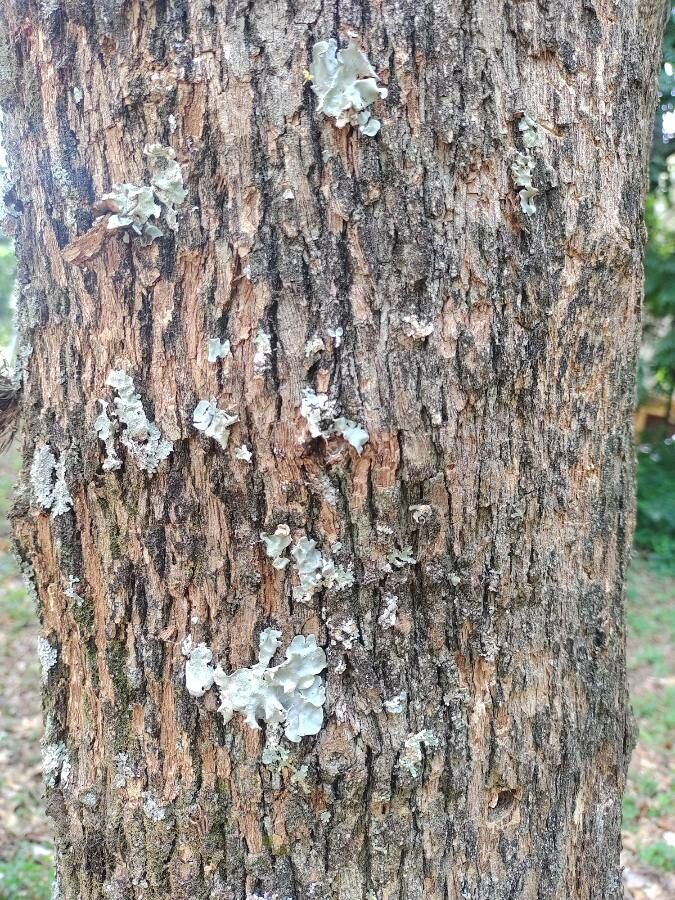
Hello there, fellow garden enthusiasts! It’s so good to have you over for a chat. Today, we’re diving into the delightful world of Jacaranda macrantha, those breathtaking trees with their cascades of vibrant purple blooms. Honestly, seeing one in full flower is a sight that never fails to fill me with joy. And you know what’s even more rewarding? Creating that magic yourself by growing a new Jacaranda from a cutting. Now, I won’t sugarcoat it – propagating Jacaranda can be a bit of a patient undertaking, especially for brand new gardeners. It’s not the easiest plant to root, but with a little know-how and a lot of love, it’s absolutely achievable.
The Best Time to Start
For the highest chance of success, I always recommend taking cuttings during the active growing season. Think late spring through summer. This is when the plant is full of energy, and those cuttings are more likely to put on roots rather than just giving up. You want to look for stems that are semi-hardwood – not brand new and floppy, but not old and woody either. They should snap cleanly when you try to bend them, with a bit of resistance.
Supplies You’ll Need
Here’s what I keep handy when I’m propagating Jacaranda:
- Clean, sharp pruning shears or a hobby knife: Essential for making clean cuts that heal better.
- Small pots or trays: About 4-6 inches deep work well. Make sure they have drainage holes!
- Rooting hormone: A powdered or gel form will do. It really gives your cuttings a boost.
- Well-draining potting mix: I like a blend of equal parts peat moss, perlite, and coarse sand. This prevents waterlogging, which is a Jacaranda’s nemesis.
- Plastic bags or a propagation dome: To create a humid microclimate.
- Spray bottle: For misting.
- Labels: To remember what you’ve planted and when.
Propagation Methods
While Jacaranda macrantha can be a bit tricky, stem cuttings are generally the most successful method for home gardeners. Division isn’t really an option for a tree, and water propagation often leads to rot with these guys.
First, select a healthy, vigorous branch from your Jacaranda. Using your clean shears, cut a section that’s about 6-8 inches long. Make your cut just below a leaf node (where a leaf attaches to the stem). This is where roots are most likely to form.
Now, take that cutting and strip off the lower leaves, leaving just two or three at the very top. This reduces water loss. Dip the cut end into your rooting hormone, making sure it’s well coated. Tap off any excess.
Fill your small pots with your well-draining mix and pre-moisten it slightly so it’s damp, not soggy. Make a hole in the center of the soil with your finger or a pencil. Gently insert the cutting into the hole, ensuring the leaf node is buried. Firm the soil gently around the base of the cutting.
Water the pot lightly. Then, the crucial step: create a humid environment. You can do this by placing the pot inside a clear plastic bag, propping it up with stakes so the leaves don’t touch the plastic, or by using a propagation dome. Place the pot in a warm spot with bright, indirect light. Avoid direct sun, as it can scorch the delicate cutting.
The “Secret Sauce” (Pro Tips)
Here are a few things I’ve learned over the years that can really make a difference:
- Bottom Heat is Your Friend: If you have a heat mat designed for seedlings, place your pots on it. This gentle bottom warmth encourages root development significantly. It makes a world of difference, especially when the air temperature might be a bit cooler.
- Patience is a Virtue (and a Necessity): Jacaranda cuttings can take their sweet time to root. Don’t be tempted to dig them up too early to check for roots. I tell people to expect anywhere from 6 weeks to 3 months. Resist the urge to fuss too much!
- Mist, Don’t Drench: Regularly mist the inside of the plastic bag or dome, and the leaves of the cutting itself, to keep humidity high. But be careful not to let water pool in the pot, as this is the fastest way to invite rot.
Aftercare & Troubleshooting
Once you see new leaf growth emerging from your cutting, it’s a good sign that roots have formed! You can gently tug on the cutting – if there’s resistance, roots are likely there. You can then gradually introduce it to slightly less humid conditions by opening the bag a little more each day or lifting the dome for longer periods.
Continue to keep the soil consistently moist but not waterlogged. As it grows, you can start to feed it with a diluted liquid fertilizer every few weeks.
The most common sign of trouble is rot. If your cutting starts to turn black and mushy, or develops fuzzy grey mold, it’s a sign of too much moisture and not enough air circulation. Unfortunately, once rot sets in, it’s usually game over. This is why that well-draining mix and careful watering are so important. Yellowing leaves on their own might just be the plant adjusting, but mushy stems are a definite red flag.
A Encouraging Closing
Propagating Jacaranda macrantha is a journey, not a race. There will be times when not every cutting takes, and that’s perfectly okay. Each attempt is a learning experience. So, gather your supplies, find a good spot, and give it a try. Watching that little cutting transform into a future garden beauty is incredibly satisfying. Be patient, trust the process, and most importantly, enjoy the magic of growing your own piece of the tropics! Happy gardening!
Resource:
https://identify.plantnet.org/k-world-flora/species/Jacaranda%20macrantha%20Cham./data