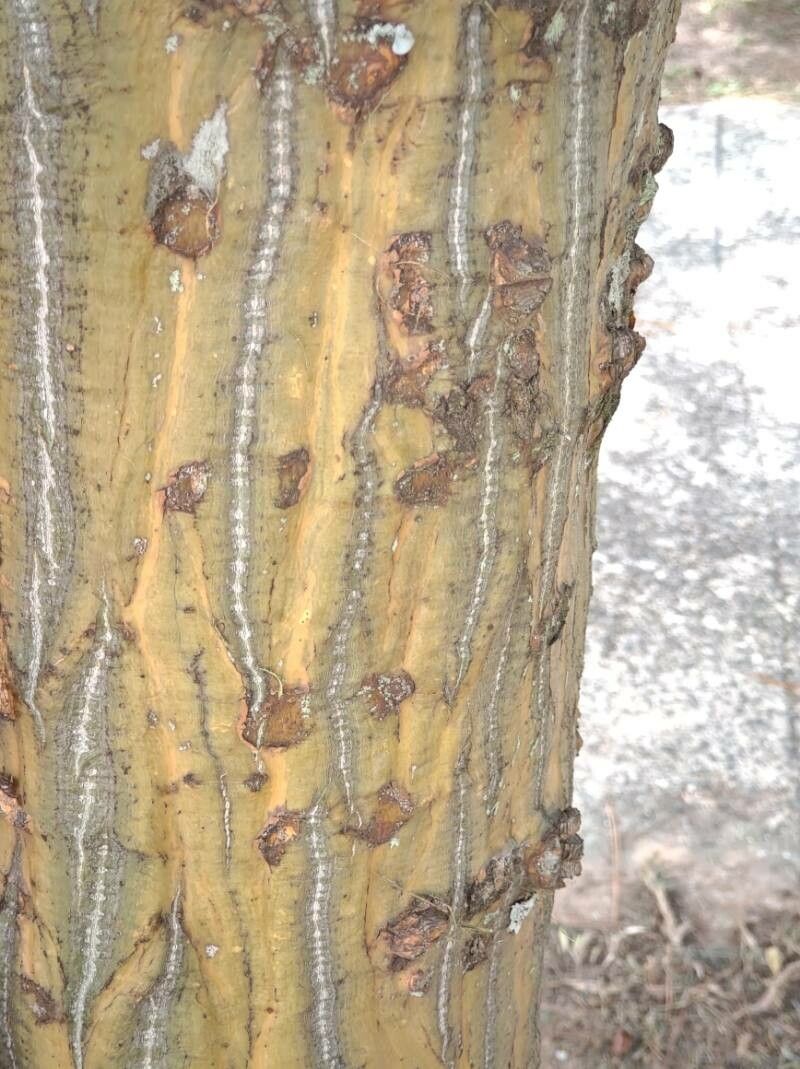
Hello there, fellow plant enthusiasts! Today, I want to chat about a plant that truly steals the show in my garden: Erythrina verna. You might know it by its common names, like Coral Tree or Naked Coral Tree, and believe me, once you see those vibrant, coral-red blooms against its bare branches in late winter or early spring, you’ll understand why it’s so special. Propagating it is incredibly rewarding, and honestly, it’s not as daunting as you might think. I’d say it’s a good project for the adventurous beginner who’s ready to get their hands a little dirty.
The Best Time to Start
For Erythrina verna, timing is everything. You’ll have the best luck with propagation when the plant is actively growing, but not stressed. I find that late spring to early summer is the sweet spot for me. This is when the new growth has hardened off just enough to make a good cutting, and the warmer soil temperatures are perfect for rooting. Avoid propagating during the hottest part of summer or when the plant is going dormant in the fall.
Supplies You’ll Need
Getting your supplies ready beforehand makes the whole process so much smoother. Here’s what I always have on hand:
- Sharp pruning shears or a clean knife: For making nice, clean cuts. Don’t use dull tools; they can damage the plant.
- Rooting hormone: This is a lifesaver for encouraging root development. I prefer a powder form for cuttings.
- Well-draining potting mix: A cactus and succulent mix is often a good starting point, or you can create your own by mixing potting soil with perlite or coarse sand (about a 2:1 ratio).
- Small pots or propagation trays: With drainage holes, of course!
- Plastic bags or a propagator: To create a humid environment for your cuttings.
- Watering can with a fine spray: For gentle watering.
- Optional: Bottom heat mat: This can really speed things up, especially if your home tends to be cooler.
Propagation Methods
Now, let’s get down to the exciting part – making new plants! For Erythrina verna, I’ve found stem cuttings to be the most reliable method.
Propagating by Stem Cuttings:
- Take your cuttings: In late spring or early summer, select healthy, semi-hardwood stems. Look for stems that are a little firm but still slightly flexible. You want cuttings that are about 6-8 inches long. Make your cut just below a leaf node (where a leaf attaches to the stem). Remove any leaves from the bottom half of your cutting, leaving just a few at the top.
- Apply rooting hormone: Dip the cut end of the stem into your rooting hormone powder, tapping off any excess. This step is crucial for giving your cutting a good start.
- Plant your cuttings: Fill your pots with the well-draining potting mix. Make a small hole in the center with your finger or a pencil. Gently insert the prepared cutting into the hole, making sure the bottom leaf nodes are buried. Firm the soil gently around the base of the cutting.
- Water gently: Water the soil thoroughly until water drains from the bottom of the pot.
- Create humidity: Cover the pot with a clear plastic bag or place it in a propagator. This will keep the humidity high, which is essential for preventing the cuttings from drying out before they can root. Make sure the leaves don’t touch the plastic.
- Find a good spot: Place the pots on a bright windowsill, but out of direct, harsh sunlight. If you’re using a bottom heat mat, set it to a comfortable warmth – around 70-75°F (21-24°C).
The “Secret Sauce” (Pro Tips)
After years of trial and error, I’ve picked up a few tricks that really make a difference.
- Don’t rush the “healing” process: Before potting, I sometimes let my cuttings sit for a day or two in a cool, dry place. This allows the cut end to toughen up a bit, like a scab forming, which can help prevent rot. It’s not always necessary, but I find it improves success rates with harder-to-root plants.
- The “air gap” is key: When you cover your cuttings with a plastic bag, ensure there’s plenty of air circulating. You can achieve this by using a few stakes to prop up the bag, creating an “air gap” between the leaves and the plastic. This prevents condensation buildup and reduces the risk of fungal diseases.
- Patience with the soak: If you’re ever worried about rot, a very dilute solution of hydrogen peroxide (about one part 3% hydrogen peroxide to ten parts water) can be used to water the soil initially. It helps to oxygenate the soil and can deter some nasty microbes without harming the developing roots.
Aftercare & Troubleshooting
Once your cuttings have started to show signs of rooting – usually by pushing out new growth – it’s time to adjust their care. You can start to gradually remove the plastic bag over a week or two to acclimate them to lower humidity. Continue to keep them in bright, indirect light and water them when the top inch of soil feels dry.
The biggest challenge you might face is rot. If you see your cuttings turning mushy, black, or slumping over very quickly, it’s a sign of rot. This usually happens due to overwatering or poor drainage. If you catch it early, you can try removing the affected part and repotting in totally fresh, dry soil. Sometimes, unfortunately, it’s best to just start again with new cuttings. Another sign of failure is if the cuttings shrivel up and show no new growth after several weeks. This could mean they simply didn’t root, or perhaps the conditions weren’t quite right.
A Encouraging Closing
Growing new plants is a journey, and every new cutting is a little adventure. Don’t be discouraged if your first few attempts aren’t perfect; that’s part of the learning process. Just keep trying, observe your plants, and most importantly, enjoy the magic of creating life from a simple stem. Happy propagating!
Resource:
https://identify.plantnet.org/k-world-flora/species/Erythrina%20verna%20Vell./data