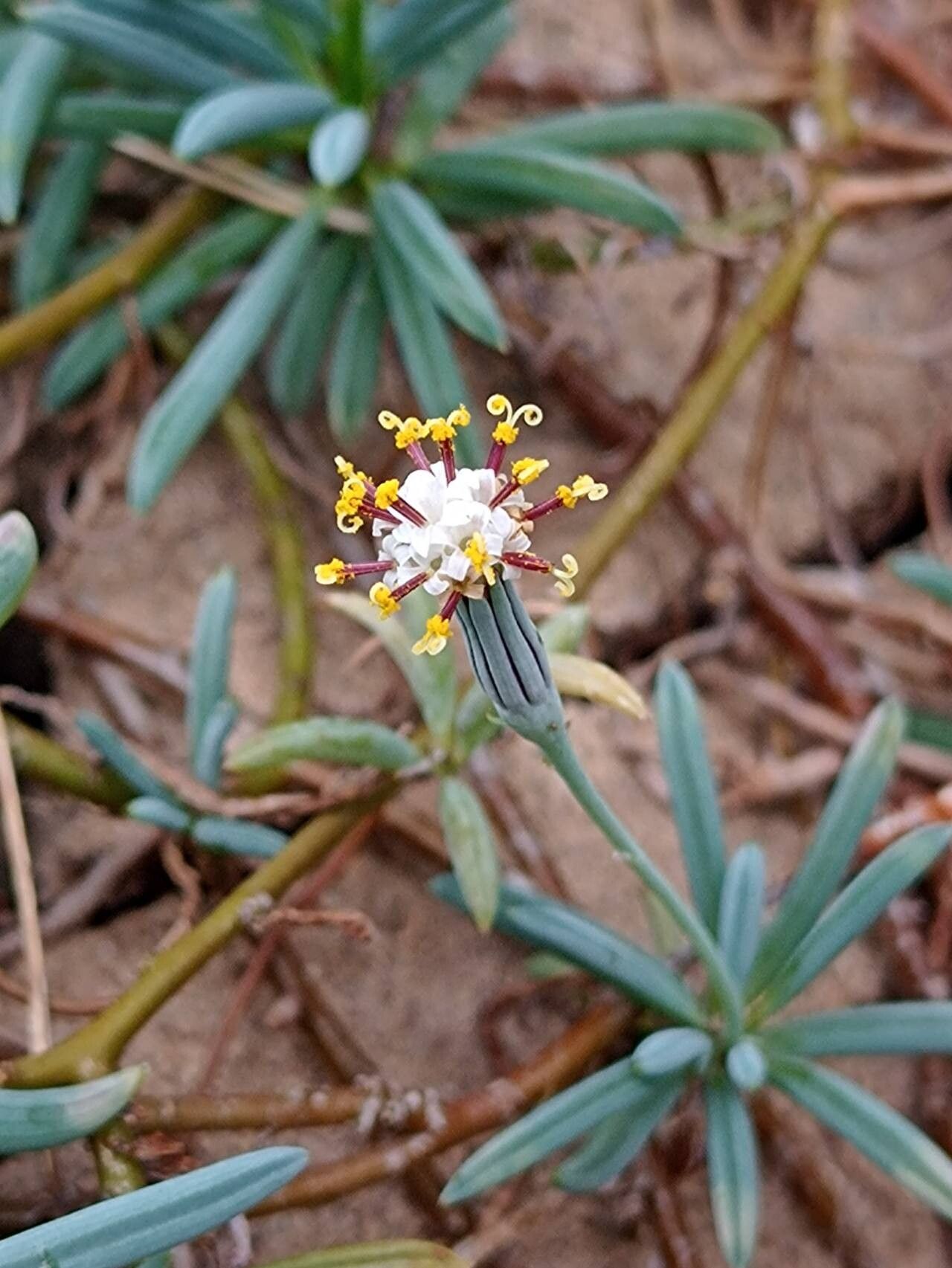
Hello there, fellow plant enthusiasts! It’s so lovely to have you here today. I’m excited to chat about one of my personal favorites: Curio hallianus, often called the String of Bananas. Isn’t it just a delight? Its trailing vines, adorned with those charming, banana-shaped leaves, bring such a delightful texture and whimsical charm to any space. And guess what? Propagating them is surprisingly accessible, a truly rewarding endeavor that lets you share the joy of this unique succulent with friends, or simply expand your own collection. If you’re new to the plant-parenting game, you’ll be happy to know that Curio hallianus is quite forgiving.
The Best Time to Start
For the highest chance of success, I find late spring through early summer is the sweet spot. This is when your String of Bananas is actively growing and has plenty of energy to put into rooting new cuttings. You can certainly try in other seasons, but you might find things move a little slower. Look for healthy, mature stems that aren’t too thin or spindly.
Supplies You’ll Need
Gathering your supplies beforehand makes the whole process flow so much smoother. Here’s what you’ll want to have on hand:
- Sharp Pruning Shears or Scissors: Clean, sharp tools are essential for making clean cuts that heal well.
- Well-Draining Potting Mix: A succulent or cactus mix is perfect. You can also make your own by combining regular potting soil with perlite or pumice for extra drainage.
- Small Pots or Trays: Terracotta pots are great as they allow the soil to dry out faster.
- Rooting Hormone (Optional but Recommended): A little sprinkle can give those cuttings a helpful boost.
- Watering Can or Spray Bottle: For gently moistening the soil.
- Small Bag or Dome (Optional): To create a humid environment for newly planted cuttings.
Propagation Methods
There are a couple of fantastic ways to multiply your String of Bananas. I usually lean towards stem cuttings, as it’s tried and true.
Stem Cuttings: My Go-To Method
This is my favorite and arguably the easiest way to go.
- Take a Cutting: Using your clean shears, select a healthy stem about 4-6 inches long. Make the cut just above a leaf node (where a leaf attaches to the stem).
- Remove Lower Leaves: Gently strip off the bottom 2-3 leaves from the cutting. This exposes the nodes where roots will eventually form.
- Let it Callus: This is a crucial step! Lay your cuttings on a dry surface, out of direct sunlight, for 2-3 days. You’ll see a tiny scab form over the cut end. This prevents rot when it hits the soil.
- Dip in Rooting Hormone (Optional): If you’re using rooting hormone, lightly dip the callused end into the powder. Tap off any excess.
- Plant the Cuttings: Fill your small pots with the well-draining mix. Gently insert the callused end of each cutting into the soil, making sure at least one leaf node is buried. You can pop a few cuttings into each pot to create a fuller look faster.
- Water Sparingly: Lightly water the soil until it’s just moist. Don’t drench it.
Water Propagation: Another Fun Option
This method is visually satisfying as you watch the roots develop.
- Prepare the Cutting: Follow steps 1 and 2 from the stem cuttings method (take a cutting and remove lower leaves).
- Place in Water: Arrange your cuttings in a jar or glass of water, ensuring that the leaf nodes you stripped are submerged. Crucially, make sure the leaves themselves are NOT touching the water.
- Find a Bright Spot: Place the container in a location that receives bright, indirect light.
- Change Water Regularly: Refresh the water every few days to keep it clean and oxygenated.
- Plant When Rooted: Once you see roots that are about an inch long, you can transfer them to soil following step 5 and 6 from the stem cuttings method.
The “Secret Sauce” (Pro Tips)
Here are a couple of things I’ve learned over the years that can make a big difference:
- Bottom Heat is Your Friend: If you’re struggling with slow rooting, especially in cooler months, consider using a seedling heat mat under your pots. This gentle warmth encourages root development tremendously.
- Don’t Overwater While Waiting: This is probably the most common mistake. Succulents, and especially their cuttings, are prone to rot if the soil stays too wet for too long. Err on the side of underwatering until you see clear signs of new growth. Let the soil dry out a bit between waterings.
- Be Patient with the “Dry Spell”: When you’ve planted your cuttings, resist the urge to water them constantly. Allow that soil to dry out somewhat before giving them a gentle drink. This encourages roots to seek out moisture, making them stronger.
Aftercare & Troubleshooting
Once your cuttings have developed little roots (you’ll see new growth or feel resistance when gently tugging), it’s time for slightly more attentive care.
- Watering: Continue to water sparingly. Let the soil dry out between waterings. You’ll start to notice the leaves plumping up again.
- Light: Gradually introduce your new plant to brighter, indirect light. Avoid harsh, direct sun initially, as it can scorch the young leaves.
- Fertilizing (Later): Once your plant is well-established and showing consistent growth, you can introduce a diluted succulent fertilizer once or twice during the growing season.
Now, what if things go wrong? The most common issue you’ll encounter is rot. This usually happens if the cuttings are too wet and haven’t callused properly, or if they’re planted in soil that doesn’t drain well. You’ll see the cuttings turn mushy and brown, often with a foul smell. If you spot this, discard the affected cutting immediately to prevent it from spreading to others. Sometimes, a cutting might simply not root. Don’t be discouraged! It happens. Just grab another stem and try again.
A Little Encouragement to Finish
Propagating your Curio hallianus is a journey, not a race. Enjoy the process of nurturing these little pieces of plant magic into their own beautiful selves. Be patient, observe your cuttings, and don’t be afraid to experiment. Before you know it, you’ll have a whole troop of String of Bananas to admire and share. Happy growing!
Resource: