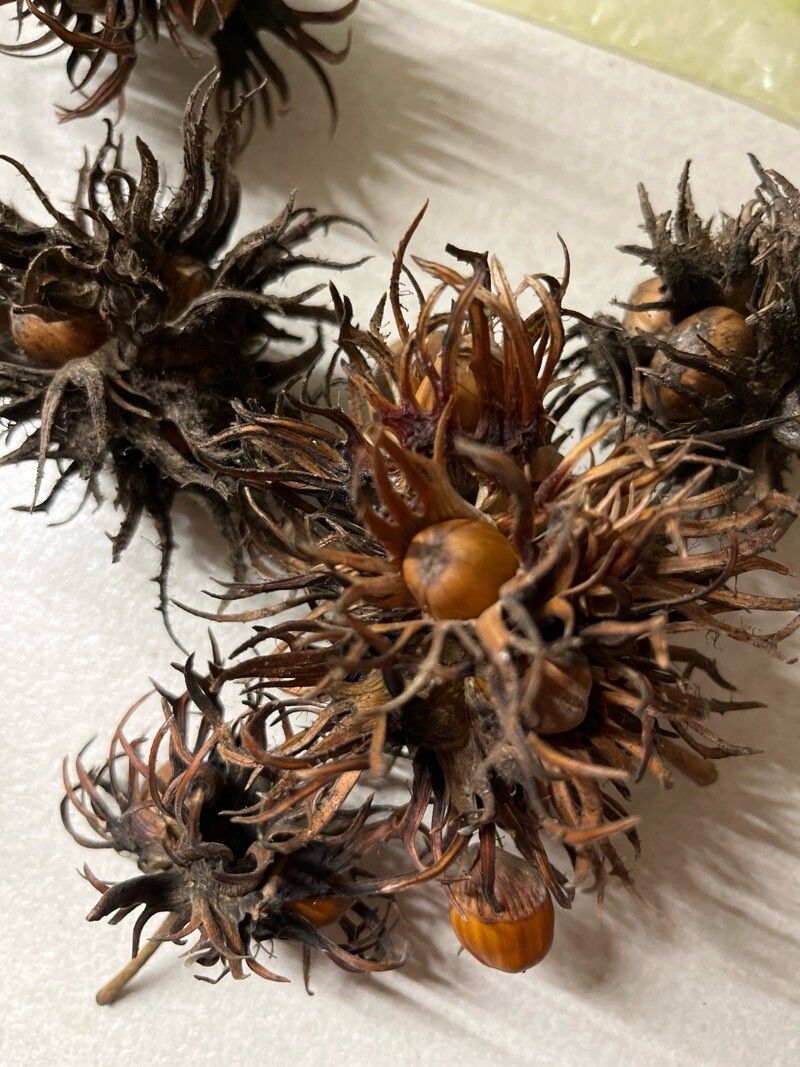
Hello fellow garden enthusiasts! Today, we’re going to talk about a tree that’s truly special: Corylus colurna, or the Turkish Hazelnut. Now, I know some of you might be thinking, “Hazelnut? For my garden?” And I’m here to tell you, yes! This handsome tree offers gorgeous, rich green foliage, an attractive upright habit, and, of course, delicious hazelnuts. Plus, it’s remarkably ornamental, making it a fantastic focal point. Propagating it yourself is incredibly rewarding, and while it has its quirks, I promise it’s not as daunting as you might imagine.
The Best Time to Start
My personal favorite time to get busy with propagation is in late spring or early summer. This is when the plant is in full swing with new growth, and those tender stems have the best energy reserves to put into developing roots. You’re looking for stems that are still flexible, not woody and stiff. Think of it as capturing that vibrant, youthful energy.
Supplies You’ll Need
Gathering your tools beforehand makes the whole process smoother. Here’s what I usually have on hand:
- Sharp Pruning Shears or a Knife: For clean cuts.
- Rooting Hormone: A powder or gel to give cuttings a helpful boost.
- Potting Mix: A light, well-draining mix. I often use a blend of equal parts peat moss, perlite, and a little bit of compost.
- Small Pots or Trays: With drainage holes, of course!
- Plastic Bags or a Propagator: To create a humid environment.
- Watering Can with a Fine Rose: For gentle watering.
- Labels and a Pen: To keep track of what you’ve planted!
Propagation Methods
Turkish Hazelnut is most commonly propagated through stem cuttings. It’s straightforward once you get the hang of it.
- Take Your Cuttings: Head out in late spring or early summer. Look for healthy, supple semi-hardwood cuttings, about 6-8 inches long. Make a clean cut just below a leaf node (where a leaf attaches to the stem).
- Prepare the Cuttings: Gently remove the lower leaves. You want to expose a few nodes where roots are most likely to form. If the remaining leaves are very large, I’ll sometimes cut them in half to reduce water loss.
- Apply Rooting Hormone: Dip the cut end of each cutting into your rooting hormone, ensuring it’s well-coated. Tap off any excess.
- Plant Your Cuttings: Fill your small pots with your prepared potting mix. Make a hole in the center with your finger or a pencil. Insert the cuttings, making sure at least two nodes are buried in the soil. Gently firm the soil around them.
- Create Humidity: Water the pots thoroughly so the soil is moist but not soggy. Then, cover the pots with a plastic bag or place them inside a propagator. This traps moisture, creating a mini-greenhouse effect. Make sure the leaves don’t touch the plastic if possible – that can encourage rot.
The “Secret Sauce” (Pro Tips)
Over the years, I’ve picked up a few tricks that seem to make all the difference:
- Bottom Heat is Your Friend: While not strictly essential, placing your pots on a heat mat specifically designed for seedlings can dramatically speed up root development. It mimics the warmth of spring soil and really encourages those roots to get going.
- Don’t Over-Water: This is a big one for any propagation. You want the soil to be consistently moist, not waterlogged. Too much water is the quickest way to invite fungal diseases and rot. Check the soil regularly and water only when the top inch feels dry.
- Fresh Cuttings are Key: Don’t take your cuttings and let them sit around in a bucket of water all day. Process them as soon as possible after taking them from the parent plant. The fresher they are, the more life they have to put into rooting.
Aftercare & Troubleshooting
Patience is paramount here! You’ll want to keep your cuttings in that humid environment, out of direct, scorching sun – bright, indirect light is perfect.
When will you see roots? This can take anywhere from 6 weeks to several months. You can gently tug on a cutting – if there’s resistance, you’ve got roots! Another sign is new leaf growth.
What if things go wrong? The most common issue is rot. If you see black, mushy stems, it’s usually a sign of overwatering or poor air circulation. Don’t be discouraged; just discard the rotten ones and try again, perhaps with more attention to watering and making sure your soil mix is exceptionally well-draining. In some cases, cuttings might simply fail to root. That’s just part of the process, and every gardener experiences it.
A Fond Farewell
Propagating your own Turkish Hazelnut might take a little time and a lot of observation, but the joy of nurturing a new tree from a tiny cutting is immense. Don’t be afraid to experiment, learn from each attempt, and most importantly, enjoy the journey of coaxing new life from your garden. Happy growing!
Resource:
https://identify.plantnet.org/k-world-flora/species/Corylus%20colurna%20L./data