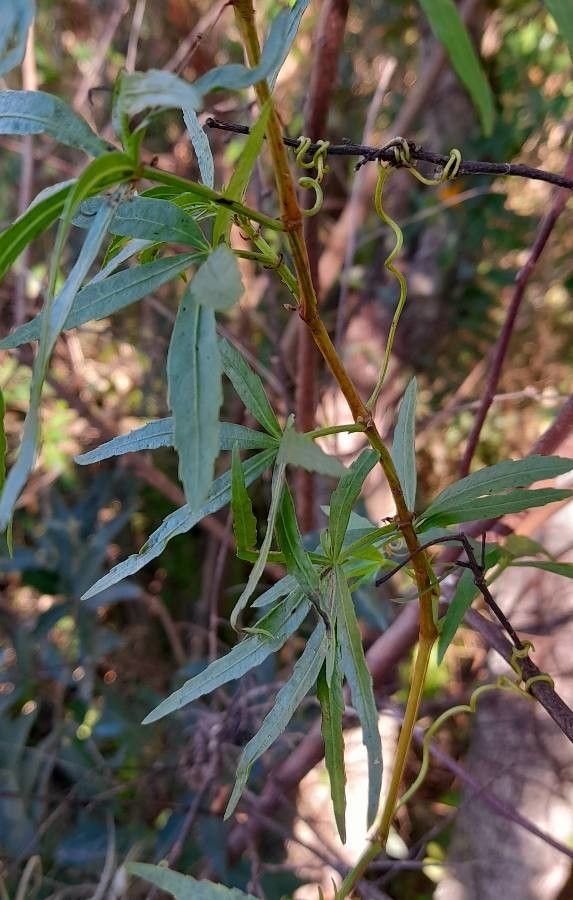
Hello there, fellow plant lovers! Today, I want to talk about a plant that has really captured my heart over the years: the Cissus palmata. You know, that lush, vibrant vine that brings a touch of the tropics right into our homes? Its beautiful, deeply lobed leaves are just stunning, and the way it gracefully cascades makes it a real showstopper. Plus, there’s something incredibly satisfying about nurturing a new plant from a tiny piece of an established one. It’s a bit like magic, right? And the good news? If you’ve got a little patience, propagating Cissus palmata is definitely achievable, even for those of you just starting your green journey.
The Best Time to Start
When it comes to getting those cuttings to root, timing is everything. For Cissus palmata, I’ve found the spring and early summer are your golden ticket. This is when the plant is actively growing and has plenty of energy to put into developing new roots. Starting during its active growing season really gives you the best chance of success. Trying to propagate in the dead of winter is generally an uphill battle.
Supplies You’ll Need
Before we dive in, let’s get our toolkit ready. Having the right supplies makes all the difference.
- Sharp Pruning Shears or a Knife: Clean cuts are crucial for healthy rooting.
- Rooting Hormone (Optional but Recommended): This can give your cuttings that extra boost. I prefer a powder or gel.
- Potting Mix: A well-draining mix is key. I like a blend of equal parts peat moss or coco coir and perlite or coarse sand.
- Small Pots or Containers: Seedling trays or small nursery pots work perfectly. Make sure they have drainage holes!
- Watering Can or Spray Bottle: For gentle watering.
- Clear Plastic Bag or Dome: To create a mini-greenhouse effect.
- A Healthy Cissus Palmata Mother Plant: Of course!
Propagation Methods
There are a couple of ways you can go about this, but my go-to is usually stem cuttings. It’s straightforward and usually yields great results.
Stem Cuttings:
- Take Your Cuttings: Look for a healthy, vigorous stem on your mature Cissus palmata. Using your sharp shears or knife, cut a piece about 4-6 inches long. Make your cut just below a leaf node (the little bump where a leaf or branch attaches to the stem). These nodes are where the magic of root growth happens!
- Prepare the Cuttings: Gently remove the lower leaves from the cutting, leaving just the top 2-3 leaves. If your remaining leaves are very large, you can even cut them in half to reduce water loss.
- Apply Rooting Hormone (Optional): Dip the cut end of the stem into your rooting hormone, tapping off any excess. This step isn’t strictly necessary, but it can really speed things up and improve success rates.
- Plant Your Cuttings: Moisten your well-draining potting mix. Make a small hole in the center of your pot using your finger or a pencil. Gently insert the cut end of the Cissus cutting into the hole, ensuring the leaf node is buried in the soil. Firm the soil gently around the stem.
- Create a Humid Environment: Water the soil lightly. Now, cover the pot with a clear plastic bag or a propagator lid. You want to create a humid environment around your cuttings. Make sure the leaves aren’t touching the plastic if possible.
The “Secret Sauce” (Pro Tips)
Now, for a couple of little tricks that I’ve picked up over the years that can really help your Cissus cuttings thrive:
- Bottom Heat is Your Friend: If you have a seedling heat mat, place your pots on it. Giving those cuttings a little warmth from below can significantly encourage root development. It mimics the soil temperature in warmer climates where these plants naturally grow.
- Don’t Drown Them (Or Let Them Dry Out!): This is a fine balance. Keep the soil consistently moist but not waterlogged. Overwatering is a common culprit for rot. I like to check the soil moisture by gently pressing into it. If it feels dry about an inch down, it’s time to water. A spray bottle can be great for this initial stage to avoid disturbing the soil too much.
Aftercare & Troubleshooting
Once you start seeing signs of new growth, like tiny leaves unfurling or resistance when you gently tug on the cutting, that’s a good sign roots are forming! Continue to keep the soil moist and the humidity high for the first few weeks. Gradually acclimate your new plant to lower humidity by opening the plastic bag or lid for increasing periods each day. Once you can remove the cover entirely without the plant wilting, it’s ready to be treated like a small Cissus palmata.
The most common issue you might encounter is rot. If a cutting starts to look mushy or dies back quickly, it’s often due to too much moisture and not enough airflow. If you see this, remove the affected cutting immediately to prevent it from spreading. Sometimes, a cutting just doesn’t take; it’s part of the process, and you can always try again!
A Encouraging Closing
Propagating plants is a journey, and each success is a little victory. Be patient with your Cissus palmata cuttings. They have their own pace, and sometimes it takes a few weeks for those roots to establish themselves. Don’t get discouraged if the first try isn’t perfect. The joy of watching a new plant grow from a tiny cutting is truly one of gardening’s greatest pleasures. Happy propagating!
Resource:
https://identify.plantnet.org/k-world-flora/species/Cissus%20palmata%20Poir./data