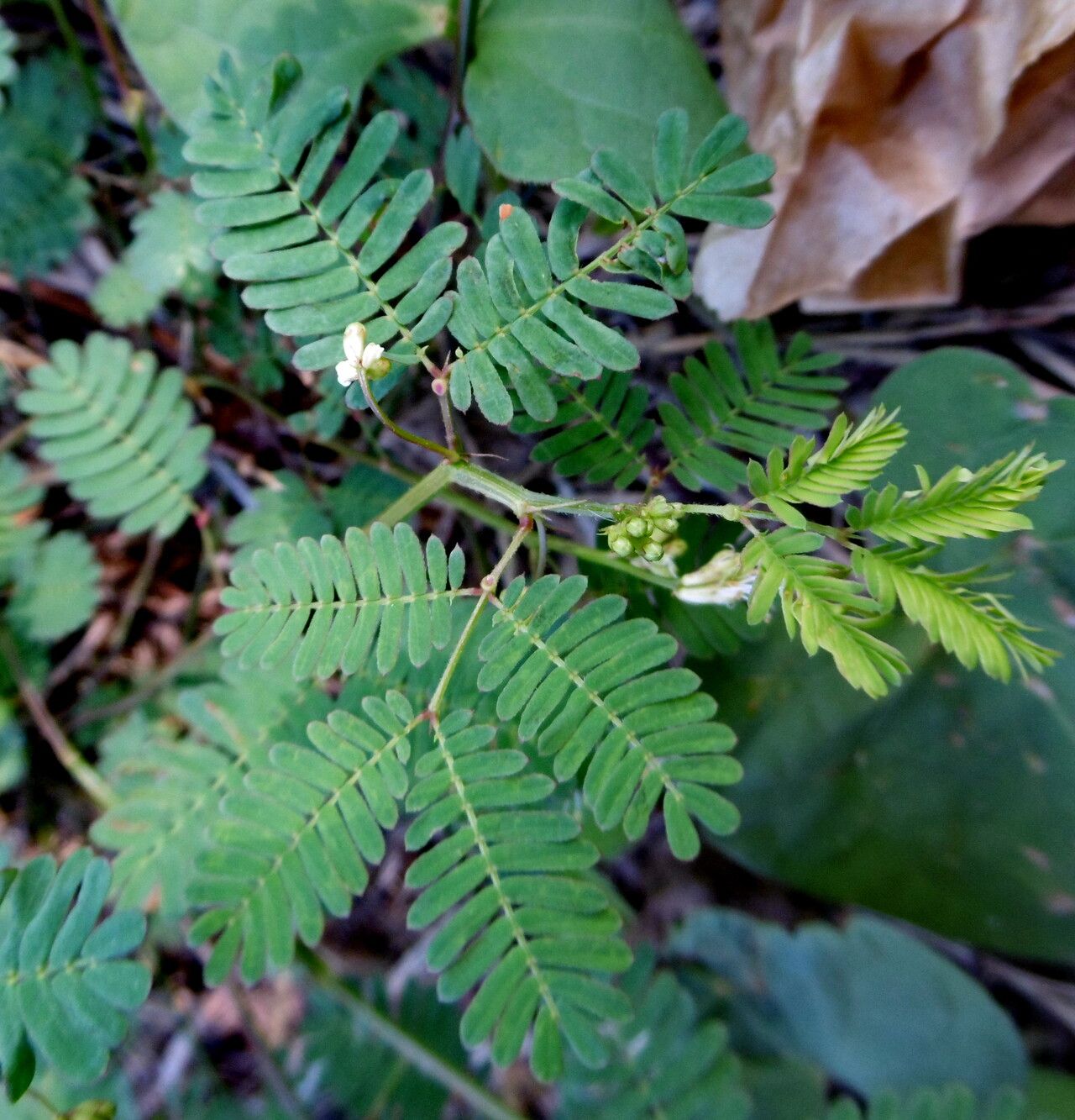
Oh, hello there! Grab your mug, let’s chat about something truly special – coaxing more of those stunning Albizia lebbeck trees into existence. You know, the ones with the feathery leaves and those gorgeous, fragrant seed pods. They add such a wonderful touch to any garden, don’t they? And honestly, starting new plants from something you already love is one of the most satisfying parts of gardening. It feels like a little bit of magic, doesn’t it? Now, Albizia lebbeck can be a bit particular, but with a few key insights, it’s absolutely achievable, even for those of you just dipping your toes into propagation.
The Best Time to Start
For Albizia lebbeck, I’ve found that late spring to early summer is your golden window. This is when the plant is in full swing with its growth spurt. You want to be taking cuttings from actively growing, but not yet woody, stems. Think of it as picking the strongest, most vibrant young shoots. Waiting until the plant is really buzzing with energy gives your cuttings the best chance to take off.
Supplies You’ll Need
Here’s what you’ll want to have on hand:
- Sharp Pruning Shears or a Clean Knife: For making clean cuts.
- Rooting Hormone: A powdered or gel form will do nicely. It really gives those cuttings a boost.
- Well-Draining Potting Mix: I prefer a mix of equal parts peat moss, perlite, and coarse sand. This ensures plenty of aeration.
- Small Pots or Propagation Trays: Clean ones are a must to prevent disease.
- Plastic Bags or a Propagator Lid: To create a humid microclimate.
- Watering Can with a Fine Rose: For gentle watering.
- Labels: To keep track of what you’ve planted!
Propagation Methods
While Albizia lebbeck can be started from seed, I find stem cuttings to be more reliable and quicker, especially for us home gardeners.
- Taking the Cuttings: In late spring or early summer, select healthy, vibrant shoots from your mature Albizia lebbeck. Look for stems that are about pencil-thick and have started to firm up but aren’t completely woody. You want them to be flexible enough to bend slightly without snapping. Using your clean shears, take cuttings that are 6 to 8 inches long. Make a clean cut just below a leaf node (where a leaf attaches to the stem).
- Preparing the Cuttings: Gently remove the lower leaves from the cutting, leaving just a few at the very top. This prevents them from rotting in the soil. Now, dip the cut end into your rooting hormone, making sure it’s thoroughly coated. Tap off any excess.
- Planting the Cuttings: Fill your chosen pots or trays with your well-draining potting mix. Make a hole in the center of the mix with your finger or a pencil. Carefully insert the prepared cutting into the hole, ensuring the leaf nodes that were below the soil line are covered. Gently firm the soil around the cutting.
- Creating Humidity: Water the soil gently until it’s moist but not soggy. Then, cover the pots with a clear plastic bag (make sure the leaves aren’t touching the plastic – you can use little stakes to hold it up) or place them under a propagator lid. This creates that vital humid environment the cuttings need to root.
The “Secret Sauce” (Pro Tips)
- My first little secret? Bottom heat is your friend! If you can, place your pots on a heat mat designed for propagation. This gentle warmth from below encourages root development much more effectively than just relying on ambient room temperature. It makes a surprising difference.
- Don’t be tempted to peek too often! Resist the urge to pull on your cuttings to see if they have roots. Wait at least 4-6 weeks. You’ll know they’ve rooted when you see new leaf growth appearing at the top.
- When you’re preparing your cuttings, some gardeners swear by lightly wounding the bottom inch of the stem (a shallow slit or two) before applying rooting hormone. This can sometimes expose more surface area for those roots to emerge.
Aftercare & Troubleshooting
Once you see those cheerful new leaves popping out, it’s time to adjust care.
- Gradually Acclimate: Over the course of a week, slowly open the plastic bag or propagator lid a little more each day. This allows your new plant to get used to the drier air outside of its humid bubble.
- Watering: Continue to water gently when the top inch of soil feels dry. Avoid letting them sit in water.
- Light: Place your new Albizia lebbeck in a bright, indirect light location. Avoid harsh, direct sunlight for the first few weeks, as it can scorch those tender new leaves.
Now, what if things don’t go as planned? The biggest culprit for failure is rot. If your cutting turns mushy and brown, or develops black spots on the stem, it’s likely succumbed to too much moisture and not enough air circulation. This is where that well-draining soil and the importance of not overwatering come into play. If you see a cutting not doing well, remove it promptly to prevent any potential spread of disease.
A Encouraging Closing
Propagating Albizia lebbeck is a journey, and like any good garden endeavor, it requires a little patience and a lot of observation. Don’t get discouraged if your first attempts aren’t perfect. Each cutting you try teaches you something new. Enjoy the process, celebrate the successes, and soon you’ll have more of these beautiful trees to share! Happy gardening!
Resource:
https://identify.plantnet.org/k-world-flora/species/Albizia%20lebbeck%20(L.)%20Benth./data