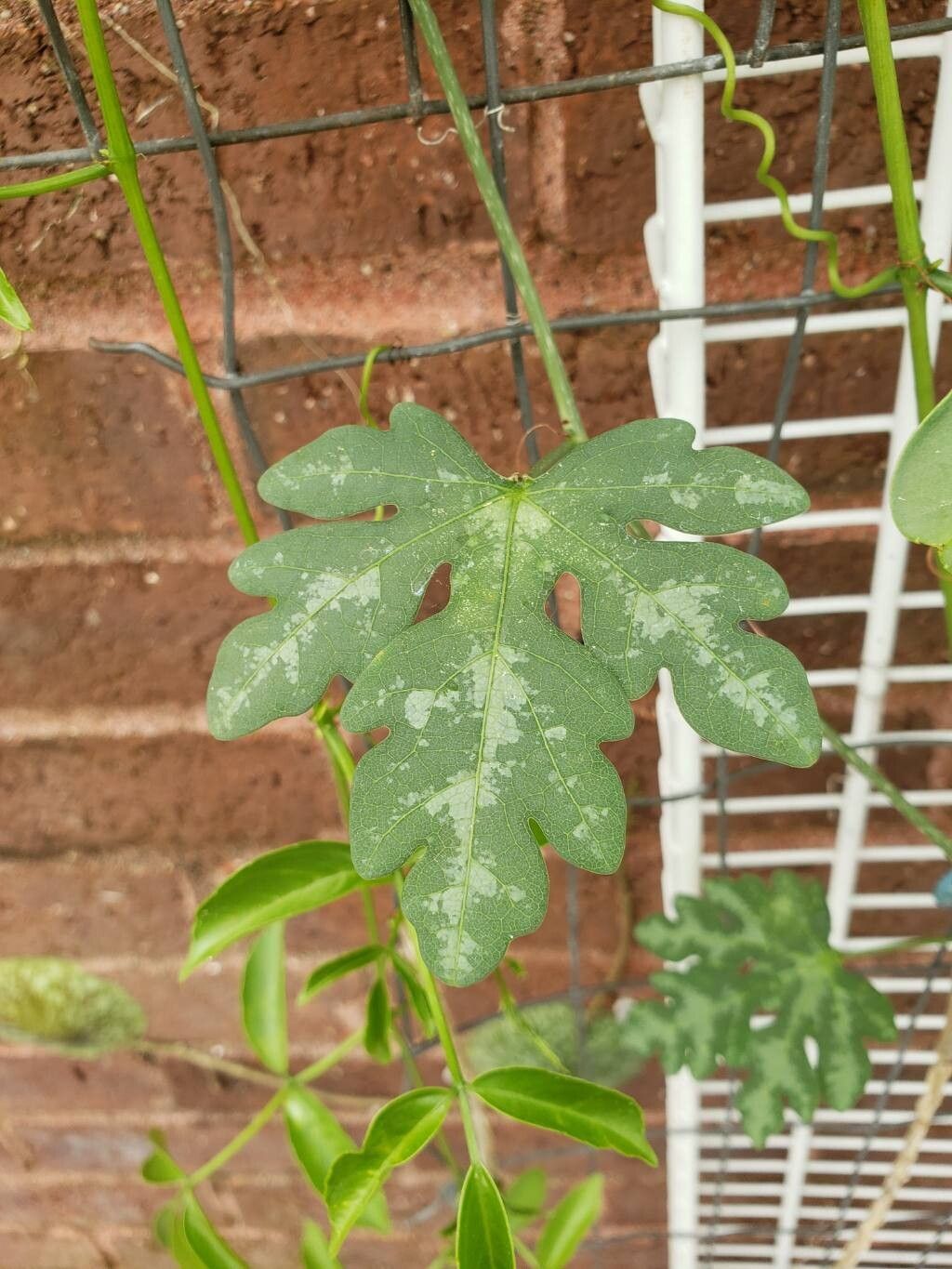
Oh, Adenia metamorpha! If you’ve ever marveled at those wonderfully bizarre, caudex-forming vines with their unusual leaves, you know the allure. They have this almost alien charm that really captures the imagination, and coaxing a new one into existence is an incredibly satisfying journey. Now, about its ease for newbies: Adenia metamorpha isn’t exactly a slam-dunk for absolute beginners. It’s a bit more of a diva, shall we say? But don’t let that intimidate you! With a little care and understanding, you can absolutely succeed.
The Best Time to Start
For the highest chance of success with Adenia metamorpha, I always recommend starting in the late spring or early summer. This is when the plant is actively growing and has plenty of energy reserves to put into rooting. You’re essentially mirroring its natural growth spurt, making it more receptive to the propagation process. Avoid trying this in the dead of winter when everything is dormant; you’ll likely just be met with disappointment.
Supplies You’ll Need
Gathering your supplies beforehand makes the whole process so much smoother. Here’s what I usually have on hand:
- Well-draining potting mix: A blend of perlite, pumice, and a good quality potting soil is ideal. Cactus or succulent mixes work well too. I like to add a bit of horticultural charcoal to help keep things fresh.
- Sharp, clean pruning shears or a razor blade: Sterilize them with rubbing alcohol to prevent disease.
- Rooting hormone (optional but recommended): A powder or gel can give your cuttings a helpful boost.
- Small pots or propagation trays: Ensure they have drainage holes!
- Watering can or spray bottle: For gentle watering.
- Clear plastic bag or propagation dome: To create a humid microclimate.
- A heat mat (highly recommended): This provides bottom warmth, which is crucial for many succulent-like propagations.
Propagation Methods
Adenia metamorpha is most commonly propagated from stem cuttings. It’s a reliable method, but you need to be patient.
- Select Your Cutting: Choose a healthy, mature stem that is at least 6 inches long and has a few sets of leaves. Avoid very young, soft growth or old, woody stems. Ideally, make your cut just below a leaf node.
- Prepare the Cutting: Once you’ve taken your cutting, remove the lower leaves. This is important because any leaves submerged in soil or water will rot. Let the cutting callus over for a day or two in a dry spot. This is a vital step; it forms a protective layer over the wound, preventing rot.
- Apply Rooting Hormone (Optional): If you’re using rooting hormone, dip the cut end into the powder or gel, tapping off any excess.
- Plant the Cutting: Fill your small pot with the prepared well-draining mix. Make a hole with your finger or a pencil and insert the callused end of the cutting. Gently firm the soil around it.
- Provide a Humid Environment: Water the soil lightly, just enough to moisten it. Then, cover the pot with a clear plastic bag or a propagation dome. This traps humidity, which helps prevent the cutting from drying out while it’s trying to root.
- Provide Warmth: Place the pot on a heat mat set to a consistent, gentle warmth, around 70-75°F (21-24°C). This is where a lot of beginners go wrong – they underestimate the importance of bottom heat!
The “Secret Sauce” (Pro Tips)
Having tried this a few times, I’ve learned a couple of tricks that really make a difference:
- Don’t overwater, ever! This is probably the biggest killer of cuttings. Adenia wants to be on the drier side, especially when it’s trying to root. Let the soil dry out between waterings. A slightly moist environment is good, but soggy is a death sentence for rot.
- Give it patience and light. Once rooted, Adenia metamorpha loves bright, indirect light. Don’t hide your new babies in a dark corner. They need good light to develop their caudex and grow strong. And patience is key – it can take several weeks, sometimes months, for roots to form. Don’t give up if you don’t see immediate results!
Aftercare & Troubleshooting
Once you start to see evidence of new growth, like tiny leaves unfurling or a slight tug when you gently pull on the cutting, it’s a good sign that roots have formed. At this point, you can gradually acclimate your new plant to less humidity. Start by opening the plastic bag or dome for a few hours each day. Continue to water sparingly, allowing the soil to dry out between waterings.
The most common sign of failure is rot. If your cutting turns black and mushy, it’s likely rotted. This is usually due to overwatering or lack of callusing. Unfortunately, if rot sets in, it’s very difficult to save. You might also see the leaves shrivel and drop if the cutting is drying out too quickly – this is where that humidity dome really helps.
A Heartening Closing
Propagating Adenia metamorpha is a bit of a dance, a delicate balance of just-right conditions. But when you see that first tiny caudex swelling or a new shoot emerge, you’ll feel an immense sense of accomplishment. Be patient with yourself and your new little plant friends. Enjoy the process, learn from each attempt, and you’ll soon be rewarded with more of these fascinating beauties to admire! Happy propagating!
Resource:
https://identify.plantnet.org/k-world-flora/species/Adenia%20metamorpha%20Hearn/data