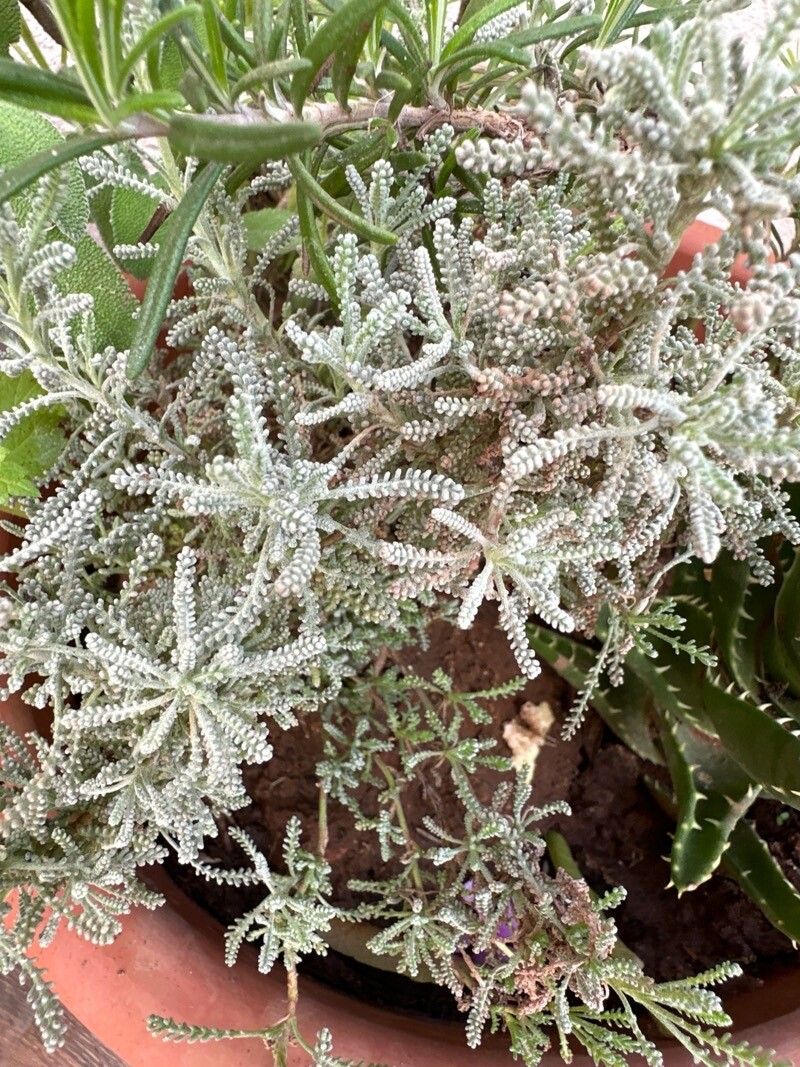
Oh, Santolina africana, isn’t it just a dream? Its silvery-grey foliage and those little sunshine-yellow button flowers – it brings such a unique texture and coastal charm to any garden. Honestly, I’ve always loved it. And the best part? You can easily bring that charm into your own space by propagating it. Don’t be intimidated; while it has its little quirks, I find it to be a pretty rewarding plant to prop, even for those just starting out with plant babies.
The Best Time to Start
For Santolina africana, late spring to early summer is your golden window. This is when the plant is actively growing and has plenty of healthy, semi-ripe material to work with. You’re aiming for stems that are still flexible but have started to firm up a bit. Avoid taking cuttings from brand new, floppy growth or from very old, woody stems.
Supplies You’ll Need
Getting your tools ready makes the whole process smoother. Here’s what I usually have on hand:
- Sharp Pruning Shears or a Craft Knife: For clean cuts to prevent damage.
- Rooting Hormone (Optional but Recommended): A little boost can speed things up. I like the powder form, but gel works too.
- Well-Draining Potting Mix: A good seed-starting mix or a blend of equal parts perlite and peat moss (or coco coir) is perfect. The key is drainage!
- Small Pots or Trays: Clean pots, about 3-4 inches in diameter, are ideal.
- Plastic Bags or a Propagation Dome: To create a humid environment.
- Watering Can or Spray Bottle: For gentle watering.
- Labels: So you don’t forget what’s what!
Propagation Methods
Let’s get our hands dirty! Stem cuttings are my go-to for Santolina africana.
Stem Cuttings:
- Select Your Stems: Head out to your Santolina africana and look for those healthy, semi-ripe stems. You want pieces about 4-6 inches long.
- Make the Cut: Using your sharp shears or knife, make a clean cut just below a leaf node. A leaf node is where a leaf joins the stem, and it’s a prime spot for root development.
- Prepare the Cuttings: Gently strip off the leaves from the bottom two-thirds of the stem. You want to remove any foliage that might rot if it’s below the soil line.
- Dip in Rooting Hormone (If Using): Lightly dip the cut end of the stem into your rooting hormone, tapping off any excess.
- Pot Up: Fill your small pots with your well-draining mix. Make a small hole in the center with your finger or a pencil, then gently insert the cutting into the hole, firming the soil around it so it stands upright. For a pot, I usually aim for 3-4 cuttings.
- Water Gently: Water the soil thoroughly but gently. You don’t want to disturb the cutting.
- Create Humidity: Cover the pots with a plastic bag (making sure the leaves don’t touch the sides if possible) or place them inside a propagation dome. This creates a mini greenhouse.
The “Secret Sauce”
Here are a couple of things I’ve learned over the years that really make a difference:
- Don’t Let Leaves Touch the Water (If Doing Water Propagation Too): While I prefer soil for Santolina africana, if you ever dabble in water propagation for other plants, remember that submerging leaves is a recipe for rot. My Santolina cuttings like it dry until roots form!
- Bottom Heat is Your Friend: If you have a heat mat, placing your pots on it can significantly speed up root development. It mimics the warmth of summer soil and encourages that root growth from below.
Aftercare & Troubleshooting
Once your cuttings are potted, find them a spot with bright, indirect light. Keep the soil consistently moist but not soggy. Imagine it like a wrung-out sponge. Resist the urge to poke and prod the cuttings too much!
You’ll know your cuttings have rooted when you see new growth appearing or when you give them a gentle tug and feel resistance (don’t pull them out to check, though!). This usually takes about 4-6 weeks.
The biggest challenge you might face is rot. This usually happens if the soil is too wet or the humidity is too high for too long without good air circulation. If you notice a cutting turning black and mushy, unfortunately, it’s best to remove it to prevent it from affecting others. Sometimes, a bit of air circulation – lifting the plastic bag for a few minutes each day – can prevent this.
A Little Encouragement to Grow
Propagating plants is a journey of patience and observation. Don’t get discouraged if not every cutting takes. Nature has its own rhythm, and sometimes it just takes a bit of trial and error to learn what your specific plants and environment prefer. Enjoy the process of nurturing these new little lives. Happy gardening!
Resource:
https://identify.plantnet.org/k-world-flora/species/Santolina%20africana%20Jord.%20&%20Fourr./data