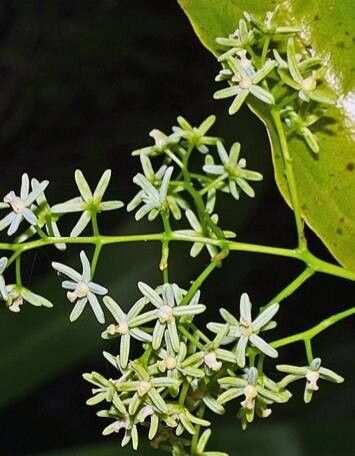
Oh, hello there! It’s so lovely to chat with you about plants today. I’m always excited to share a bit of what I’ve learned over the past two decades, and today, we’re diving into the wonderful world of Ripogonum scandens, also known as supplejacks or, as I fondly call them, the “twining marvel.”
The Twining Marvel: Why Propagate Ripogonum Scandens?
This native New Zealand beauty really has a charm all its own. Its glossy, heart-shaped leaves and graceful, twining habit make it a fantastic addition to any garden, whether you’re aiming for a lush jungle feel or a touch of the wild. Seeing a new plant emerge from a little piece of your existing one is just incredibly rewarding, isn’t it? It connects you to the plant’s life cycle in such a tangible way. Now, for beginners, I’d say Ripogonum scandens is moderately easy to propagate. It’s not as foolproof as some houseplants, but with a little care and attention, you’ll be well on your way to success.
When to Catch the Propagation Wave
Timing is everything with plants, and for Ripogonum scandens, the late spring and early summer, just as the plant is entering its active growth phase, is your golden window. You want to take cuttings when the stems are semi-hardwood – not brand new and flimsy, but not old and tough either. This period offers the best chance for roots to form quickly and efficiently.
Your Propagator’s Toolkit
Here’s what you’ll want to have on hand to get started:
- Sharp, Clean Pruning Shears or a Knife: Essential for making clean cuts that heal well.
- Rooting Hormone: This isn’t strictly mandatory, but it does give your cuttings a significant boost.
- Small Pots or Seed Trays: Whatever you have that can hold your cuttings and a bit of soil.
- Well-Draining Potting Mix: A mix of peat moss, perlite, and a little bit of compost is ideal. You want something that holds moisture but doesn’t get waterlogged.
- A Spray Bottle: For keeping things humid.
- Plastic Bags or a Propagator Lid: To create that greenhouse effect.
- Labels and a Marker: Trust me, you’ll thank yourself later!
Bringing New Supplejacks to Life: Propagation Methods
Let’s get our hands dirty! We’ll focus on the most reliable methods for Ripogonum scandens.
1. Stem Cuttings: The Classic Approach
This is my go-to method and often the most successful.
- Select Your Cuttings: Look for healthy, non-flowering stems that are about 4-6 inches long. Make your cut just below a leaf node (where a leaf joins the stem). The node is where the magic happens, where new roots are most likely to emerge.
- Prepare the Cuttings: Gently remove the lower leaves from the cutting, leaving just a few at the top. This prevents them from rotting in the soil and encourages the plant to focus its energy on root development.
- Apply Rooting Hormone: Dip the cut end of the stem into your rooting hormone powder. Tap off any excess.
- Plant Your Cuttings: Fill your pots with your well-draining potting mix. Make small holes with a pencil or your finger, and insert the cuttings, ensuring the node where you removed the leaves is planted below the soil surface. Gently firm the soil around the base.
- Water Gently: Water the soil thoroughly, but avoid turning it into a swamp.
2. Division: For Established Plants
If you have a larger, established Ripogonum scandens, you might be able to divide it.
- Gently Excavate: Carefully dig up the plant, trying to keep as much of the root ball intact as possible.
- Identify Natural Divisions: Look for sections of the root system that have their own stems and roots.
- Separate with Care: You can often gently pull these sections apart. If it’s a bit stubborn, use your clean pruning shears to cut through thicker roots. Always aim to leave each division with a good portion of roots and at least one healthy stem.
- Replant Immediately: Pot up your divisions in fresh, well-draining soil and water them in.
The “Secret Sauce” for Supple Success
Here are a few little tricks I’ve picked up that can make a big difference:
- Mimic the Humid Tropics: Ripogonum scandens loves a bit of humidity. Once you’ve planted your cuttings, cover the pots loosely with a clear plastic bag or place them in a propagator. This creates a humid microclimate that keeps the leaves from drying out while the roots establish. Just make sure the leaves aren’t touching the inside of the bag, as this can encourage rot.
- The Gentle Warmth Secret: If you have some, placing your pots on a heat mat can significantly speed up root formation. It mimics the warmth of the soil after a good spring rain and encourages those roots to get going.
- Patience is Key (and Don’t Fuss Too Much!): Once your cuttings are planted, resist the urge to constantly pull them out to check for roots. You’ll disturb the delicate process. Trust the process! I usually wait at least 4-6 weeks before I even think about gently tugging a cutting to see if there’s resistance.
Aftercare and Troubleshooting: Nurturing Your New Growth
Once your Ripogonum scandens cuttings have taken root (you’ll see new leaf growth and feel resistance when gently tugged), it’s time to transition them to slightly more open conditions.
- Gradual Acclimatization: Slowly reduce the humidity over a week or two by opening the bag or propagator lid for longer periods.
- Light Needs: Once rooted, they’ll appreciate bright, indirect light. Avoid direct, scorching sun.
- Watering: Water when the top inch of soil feels dry. Continue to use well-draining soil and pots.
- Common Problems: The biggest culprit is rot, which usually stems from overwatering or poor drainage. If you see stems turning mushy or yellowing leaves that are also floppy, it’s a sign something’s not quite right. This often means the cutting didn’t get enough air circulation or stayed too wet for too long. Unfortunately, if rot sets in, it’s hard to save the cutting.
Happy Propagating!
Propagating plants is such a rewarding journey, and watching a tiny cutting transform into a thriving Ripogonum scandens is a joy you really can’t beat. Be patient with yourself and the plants, enjoy the process of learning, and before you know it, you’ll have an abundance of these twining beauties to share! Happy gardening!
Resource: