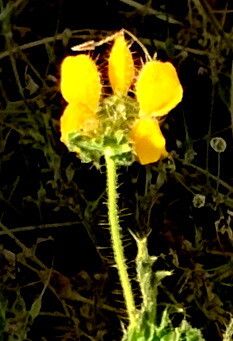
Hello, fellow garden enthusiasts! Today, we’re diving into the wonderfully prickly (in the best way!) world of Loasa placei. You know, those fascinating plants with their intricate, almost otherworldly blooms. If you’ve ever admired their delicate flowers and wondered if you could have more of them gracing your garden, you’re in the right place. Propagating Loasa placei can feel a little like coaxing a shy creature into bloom, but trust me, it’s incredibly rewarding when you see those first tiny roots appear. And for those of you just starting out, don’t be intimidated. While it requires a bit of attention, it’s definitely achievable with a little patience.
The Best Time to Start
For the highest success rate with Loasa placei, I’ve found that spring is your magic window. As the days start to lengthen and the weather warms up, the plant is geared for growth. This is when its energy is readily available for creating new life. You’re essentially catching it at its most vigorous, making it more receptive to propagating.
Supplies You’ll Need
Here’s what you’ll want to have on hand:
- Sharp, clean pruning shears or a sterile knife: For making clean cuts.
- Pots or seed trays: Small ones are perfect for starting out.
- Well-draining potting mix: A mix of potting soil and perlite or coarse sand (about a 2:1 ratio) is ideal. This prevents soggy roots.
- Rooting hormone (optional but recommended): A powder or gel can give your cuttings a little boost.
- Clear plastic bags or a propagator: To create a humid environment.
- Watering can with a fine rose or spray bottle: For gentle watering.
Propagation Methods
Loasa placei can be a bit particular, but I’ve had the most luck with stem cuttings, and it’s the method I’ll guide you through here.
-
Take Cuttings: In early spring, choose healthy, non-flowering stems from your mature plant. Carefully select a piece that’s about 4-6 inches long. Using your clean shears or knife, make a clean cut just below a leaf node (that little bump where a leaf grows from the stem). Remove the lower leaves, leaving only a couple at the very top.
-
Apply Rooting Hormone (Optional): If you’re using rooting hormone, dip the cut end of your stem into it, tapping off any excess. This step can really help encourage root development.
-
Plant Your Cuttings: Fill your small pots with your well-draining potting mix and moisten it slightly. Gently insert the cut end of each stem into the soil, ensuring the leaf nodes are covered. You want the cutting to be stable, so firm the soil gently around it.
-
Create a Humid Environment: This is crucial for Loasa placei. Place each pot inside a clear plastic bag or cover them with a propagator lid. This traps humidity, which prevents the cuttings from drying out before they can develop roots.
-
Find the Right Spot: Place your pots in a bright location that receives indirect sunlight. Avoid direct sun, as it can overheat the cuttings and the enclosed environment.
The “Secret Sauce” (Pro Tips)
Now, for a couple of tricks I’ve learned over the years that can make a real difference:
- Bottom Heat is Your Friend: If you can, place your pots on a gentle heat mat. This subtle warmth from below can significantly speed up root formation. Just a little bit of coziness can go a long way for these particular plants.
- Ventilate Occasionally: While humidity is key, you don’t want stagnant air. Every few days, carefully open up the plastic bags or propagator for a few minutes to allow for some air circulation. This helps prevent fungal issues.
Aftercare & Troubleshooting
Once your cuttings have been in their mini-greenhouse for a few weeks, keep an eye out for signs of new growth. You might see tiny leaves emerging or feel a gentle tug when you very lightly pull on a cutting – that’s a good sign of roots!
Once you see a decent amount of root development (you might even see roots peeking out of the drainage holes), it’s time to gradually acclimate your new plant to normal conditions. Start by opening the plastic bag for longer periods each day. Eventually, you can remove the bag entirely. Water your new plant when the top inch of soil feels dry.
The most common issue you might encounter is rot. This is usually a sign of too much moisture and not enough drainage. If a cutting looks limp and mushy, it’s likely beyond saving. This is why using that well-draining soil and being mindful of watering is so important. Don’t be disheartened if a few don’t make it!
A Little Encouragement
Gardening is a journey, and propagation is a wonderful way to deepen your connection with your plants. Be patient with your Loasa placei cuttings. They have their own rhythm. Celebrate every tiny success, and learn from every setback. Soon enough, you’ll have a whole family of these beautiful plants to enjoy! Happy propagating!
Resource:
https://identify.plantnet.org/k-world-flora/species/Loasa%20placei%20Lindl./data