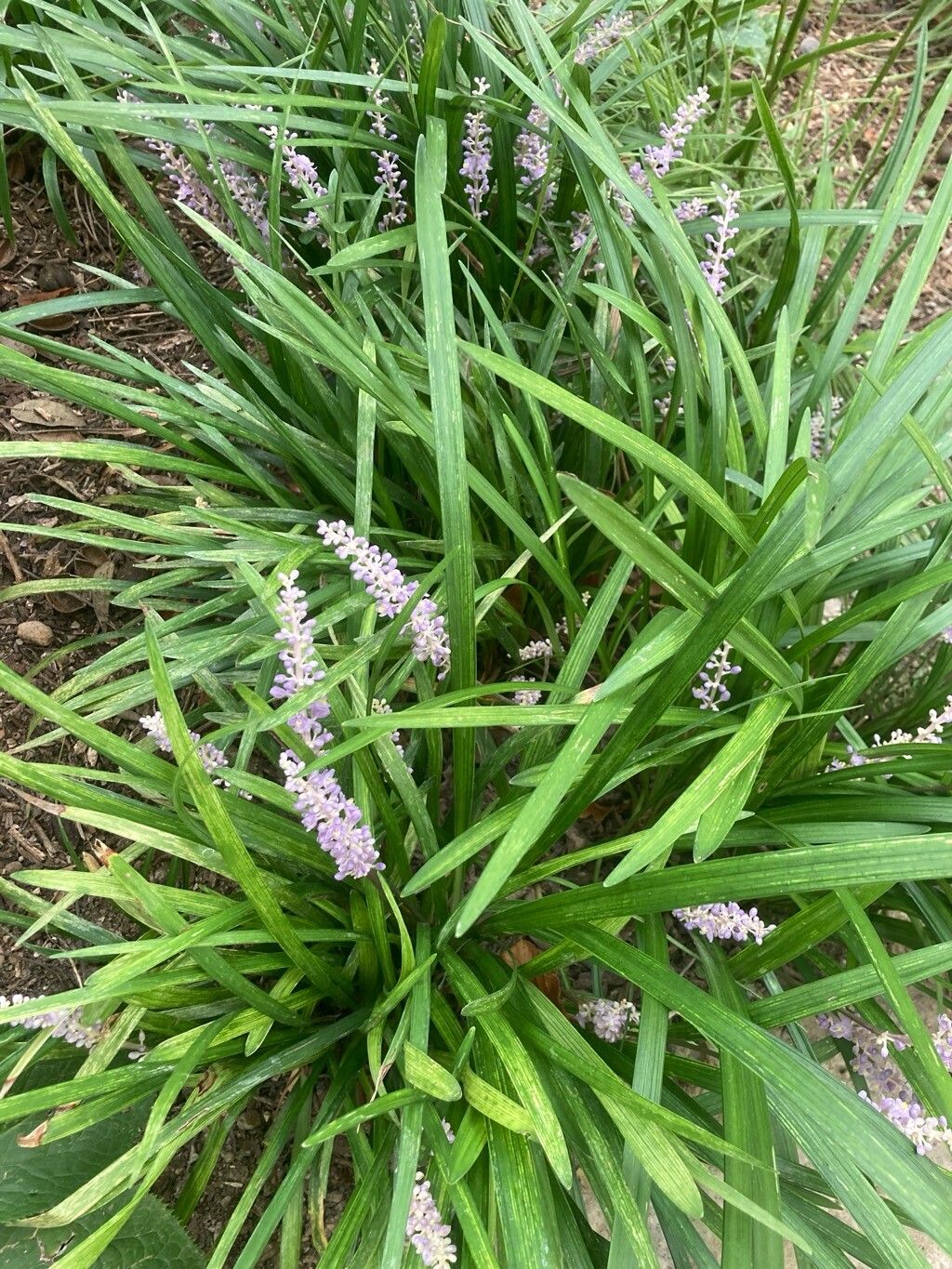
Hello, fellow garden enthusiasts! It’s so good to connect with you. Today, we’re diving into the wonderful world of Liriope muscari, also known as Lilyturf. If you’re a fan of those graceful, grass-like leaves and those lovely spikes of purple or white blooms that appear in late summer, you’ll be glad to know that getting more of these beauties for your garden is surprisingly easy. I’ve been growing and propagating Liriope for two decades now, and let me tell you, there’s a real joy in creating new plants from your existing favorites. For beginners, Liriope is an absolute dream to work with – it’s forgiving and generous, making it a fantastic plant to practice your propagation skills on!
The Best Time to Start
The absolute best time to propagate Liriope is in the spring, just as new growth is emerging. You’ll see fresh shoots pushing up from the soil, and this is when the plant has the most energy to establish itself. You can also have success with late summer to early fall propagation, but spring is generally your golden ticket for the highest success rate.
Supplies You’ll Need
Gathering your supplies beforehand makes the whole process smoother. Here’s what I recommend:
- Sharp pruning shears or a clean knife: For making clean cuts.
- Well-draining potting mix: A good blend for this is typically equal parts peat moss, perlite, and compost. You can also find specialized seed-starting or propagation mixes.
- Small pots or containers: Clean ones, of course! Seedling trays or small 3-4 inch pots work wonderfully.
- Rooting hormone (optional but helpful): While Liriope can root without it, a bit of rooting hormone can speed things up.
- Watering can or spray bottle: For gentle watering.
- Labels: To mark your precious new plants!
Propagation Methods
Liriope is quite versatile, and the most straightforward method for us home gardeners is division. It’s like sharing your plant’s abundance with your garden!
Division (The Superstar Method)
This is my go-to for Liriope because it’s so effective and requires minimal fuss.
- Digging Up the Mother Plant: In early spring, carefully dig up the entire Liriope clump. You might need a garden fork for this, especially if your plant is well-established. Loosen the soil around it and gently lift the entire root ball from the ground.
- Cleaning the Roots: Gently shake off excess soil from the roots. You want to be able to see the individual crowns and rhizomes.
- The Actual Division: This is where you can get your hands dirty! You can often pull the clumps apart with your hands. Look for natural separations where new shoots are emerging from older ones. If it’s a bit stubborn, a clean, sharp knife or even your spade can help you slice through the root ball. Aim for divisions that have at least one or two healthy shoots and a good portion of roots. Don’t be tempted to make your divisions too small; larger ones have a better chance of survival.
- Replanting: Immediately replant your divisions. Dig a planting hole large enough to accommodate the root ball. Plant them at the same depth they were growing originally. Water them in thoroughly.
Stem Cuttings (A Bit More Involved)
While division is easier, you can also try taking stem cuttings, especially after flowering when the plant has energy to spare.
- Taking Cuttings: In late summer or early fall, after the flowers have faded, look for new, non-flowering shoots. Using your clean pruners, take cuttings that are about 4-6 inches long. Make the cut just below a leaf node (where a leaf attaches to the stem).
- Preparing the Cuttings: Remove the lower leaves, leaving just a couple at the top. If you’re using rooting hormone, dip the cut end into it.
- Planting: Fill your small pots with the well-draining potting mix. Insert the cuttings into the soil, ensuring the leaf nodes are buried. You want the base of the cutting to be firmly in contact with the soil.
- Creating a Humid Environment: This is key for cuttings! Water them gently to moisten the soil. You can then cover the pot with a clear plastic bag or place it inside a plastic propagator. This helps retain humidity, which is vital for root development. Make sure the leaves aren’t touching the plastic if possible.
- Placement: Place the pots in a bright location out of direct sunlight. Keep the soil consistently moist but not waterlogged.
The “Secret Sauce” (Pro Tips)
Here are a few little tricks I’ve picked up over the years that make all the difference:
- Don’t Overcrowd Your Divisions: When dividing, it’s tempting to keep every tiny little bit. Resist! Bigger, healthier divisions are much more likely to thrive. Focus on quality over quantity.
- The Power of Bottom Heat (for Cuttings): If you’re attempting stem cuttings, placing your pots on a heated propagator mat can significantly speed up root formation. It mimics the warmth of spring soil and really encourages those roots to get going.
- Heeling Them In: If you’ve divided plants and can’t get them into their new homes right away, “heel them in” temporarily. This means digging a shallow trench in a protected spot in your garden and placing the root balls of the divisions into the trench, covering them with soil. This keeps them from drying out until you have time to plant them properly.
Aftercare & Troubleshooting
Once your Liriope divisions are planted (or your cuttings have rooted), the real care begins.
- Watering: Water new divisions and cuttings regularly, especially during dry spells. Aim for consistently moist soil, but avoid soggy conditions. As they establish, you can gradually reduce watering, as established Liriope is quite drought-tolerant.
- Light: Newly planted divisions appreciate partial shade for the first few weeks to help them adjust, especially after being transplanted. Cuttings need bright, indirect light.
- Fertilizer: You generally don’t need to fertilize immediately. Wait until you see signs of new growth. A light feeding with a balanced, slow-release fertilizer in spring is usually sufficient for established plants.
Troubleshooting:
- Wilting: This is usually a sign of underwatering (especially for new divisions) or shock from transplanting. Ensure they are adequately watered.
- Rotting: Overwatering is the most common culprit for rot, whether it’s the crowns of divisions or the bases of cuttings. Make sure your soil drains well and adjust your watering schedule. If you see mushy, discolored stems or leaves, it’s likely rot. Remove affected parts and try to improve drainage.
- No New Growth: Be patient! Sometimes it takes a little while for plants to settle in. Ensure they are getting adequate water and light. If it’s been several weeks with absolutely no sign of life, it’s possible the division or cutting didn’t take.
A Gentle Wrap-Up
Propagating Liriope is such a rewarding endeavor, and I truly hope this guide gives you the confidence to give it a try. Remember, nature works at its own pace, so be patient with your new plant babies. Enjoy the process, the connection to your garden, and the satisfaction of multiplying your greenery. Happy planting!
Resource:
https://identify.plantnet.org/k-world-flora/species/Liriope%20muscari%20(Decne.)%20L.H.Bailey/data