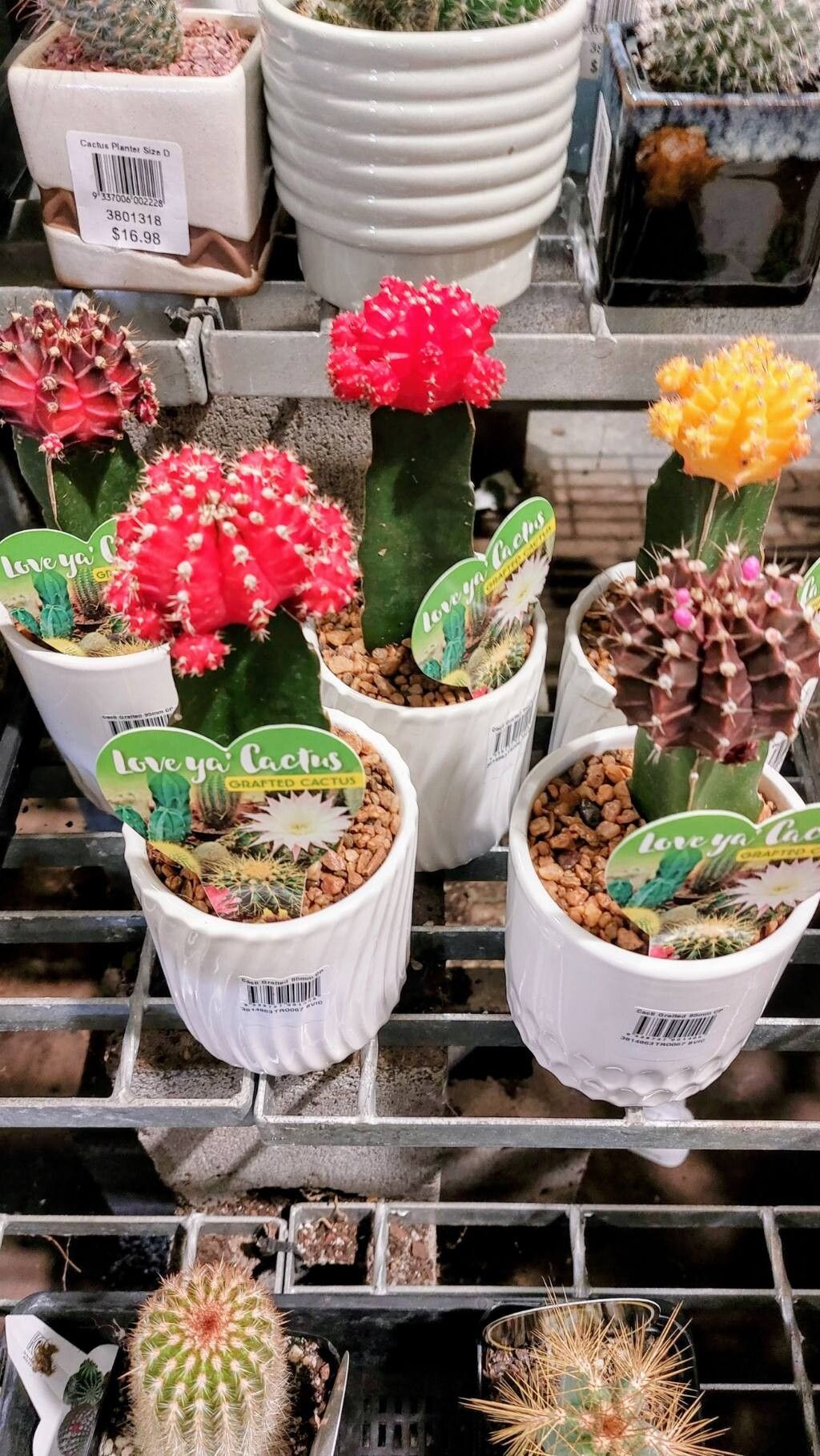
Hello fellow plant lovers! I just adore my little Gymnocalycium mihanovichii, don’t you? Those vibrant colors and quirky shapes are just a delight on my windowsill. And the best part? You can easily make more of these cheerful little cacti yourself! Propagating them is incredibly rewarding. You get to watch a tiny bit of a beloved plant transform into a whole new one. Don’t worry if you’re new to this; Gymnocalyciums are quite forgiving, making them a wonderful plant to start your propagation journey with.
The best time to get your hands dirty is during their active growing season. For most cacti, that means spring and summer. You’ll see the most vigorous growth then, which translates to the best chance of your cuttings taking root. Don’t try to propagate in the dead of winter; your little beauties will be resting and less receptive to new beginnings.
Before we dive in, let’s gather our supplies:
- Well-draining cactus/succulent soil mix: This is non-negotiable! You can buy a pre-made one or mix your own with equal parts potting soil, perlite, and coarse sand.
- Sharp, clean knife or pruning shears: Sterilize them with rubbing alcohol to prevent any nasty infections.
- Rooting hormone (optional but highly recommended): This gives your cuttings a little extra boost.
- Small pots or trays: Clean and with drainage holes, of course.
- Gravel or perlite (for drainage): A thin layer at the bottom of pots can work wonders.
- Gloves: Cacti can be prickly!
- Watering can with a fine rose or a spray bottle: Gentle watering is key.
Let’s talk about how to bring new Gymnocalyciums into the world! The most straightforward method for these guys is taking offsets or “pups.”
- Locate an offset: Look for those cute little baby cacti growing at the base of your established plant.
- Gently separate: Use your clean knife or shears to carefully cut the offset away from the mother plant. Try to get as clean a cut as possible.
- Let it callous: This is a crucial step! Place the offset in a dry, well-lit spot (but out of direct sun) for 2-3 days. This allows the cut end to dry out and form a protective callous. This prevents rot when you plant it.
- Prepare the pot: Fill your small pot with your well-draining cactus mix. Make sure it’s slightly damp, not soggy.
- Plant the offset: You can lightly dip the calloused end into rooting hormone if you’re using it. Then, simply gently press the offset into the soil. You don’t need to bury it deeply, just enough to keep it stable.
Now for a few little secrets I’ve learned over the years that make propagating a breeze:
- Don’t water immediately: Avoid watering the newly planted offset for at least a week. This gives the plant time to adjust and encourages it to seek out moisture from the air, which helps with root development.
- Warmth is wonderful: Cacti love a little warmth to get roots going. Placing your pots on a heat mat designed for seedlings can significantly speed up the rooting process. Even a warm spot on a windowsill where it doesn’t get direct, scorching sun is perfect.
Once you see signs of life – maybe a tiny bit of growth or the offset looking a little plumper – it’s time to introduce it to gentle watering. Water sparingly, allowing the soil to dry out completely between waterings. You want to mimic its natural arid environment. Keep it out of harsh, direct sunlight for the first few weeks.
What if things go wrong? The most common pitfall is rot. If your offset starts to look mushy or turns black and soft, it’s likely rotting. Sadly, this is often unrecoverable. It usually happens from overwatering or not letting the cutting callous properly. If you see signs of rot, remove the affected part immediately and allow the healthy portion (if any) to callous again before trying to repot. Patience is your best friend here; sometimes it takes weeks, even months, to see significant root development.
So there you have it! Propagating your Gymnocalycium mihanovichii is a simple and immensely satisfying endeavor. Be patient, provide a bit of love and the right conditions, and you’ll soon have a whole collection of these wonderful little cacti. Happy propagating!
Resource: