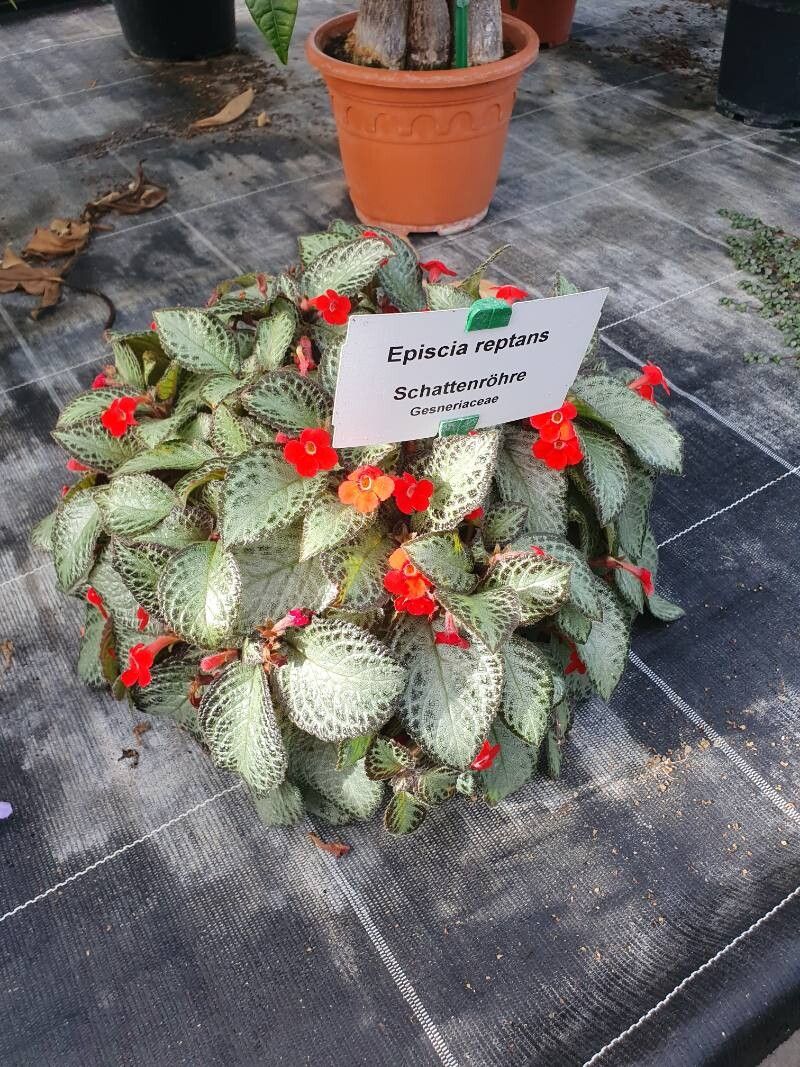
Oh, hello there! Come on in, grab a mug. Let’s chat about something truly special: propagating Episcia reptans, also known as the flame violet. If you’ve ever seen these beauties with their velvety, intricate leaves and dazzling little blooms, you know exactly why they steal our hearts. And the best part? You can easily fill your home with them! Trust me, bringing a new plant to life from a tiny cutting or division is one of life’s simple, profound joys. As for being a beginner, I’d say Episcia is quite forgiving once you get the hang of it. It’s more about understanding its subtle needs than wrestling with a stubborn specimen.
The Best Time to Start
For Episcias, spring and early summer are absolute gold. This is when the plant is actively growing, brimming with energy. New growth is usually plumper and more vigorous, giving your cuttings the best start. Think of it as planting when the world wakes up – everything is just ready to go! You can even propagate them during the warmer months indoors, but you’ll likely see the quickest results from March through July.
Supplies You’ll Need
Gathering your tools beforehand makes the whole process smooth sailing. Here’s what I always have on hand:
- Sharp Pruning Shears or a Clean Knife: For making clean cuts. Jagged edges can invite disease.
- Well-Draining Potting Mix: I love a mix of peat moss, perlite, and a little bit of orchid bark. You can also find specific African violet or peat-based mixes that work beautifully. Avoid heavy garden soil!
- Small Pots or Seedling Trays: Clean, small containers are perfect for starting out. Yogurt cups with drainage holes poked in the bottom work in a pinch!
- Rooting Hormone (Optional but Recommended): This little powder or gel really speeds things up and increases success rates.
- Plastic Bags or a Clear Dome: To create a mini-greenhouse to keep humidity up.
- Spray Bottle: For misting.
- Labels/Plant Markers: So you don’t forget what you’ve propagated!
Propagation Methods
Episcias are wonderfully versatile, offering a few easy ways to multiply your collection.
1. Stem Cuttings: The Speedy Gonzales
This is my go-to for a quick win. Look for a healthy stem with at least a couple of leaves.
- Make the Cut: Using your clean shears or knife, make a cut just below a leaf node (where a leaf meets the stem). You want a cutting that’s a few inches long.
- Prepare the Cutting: Gently remove the lower leaves. If the cutting has a long stem, you might want to trim it down a bit.
- Dip in Rooting Hormone: Dip the cut end into your rooting hormone. Tap off any excess.
- Planting: Fill your small pot with your prepared potting mix. Make a small hole in the center with your finger or a pencil. Insert the cut end of the stem into the hole, making sure the node where you removed leaves is covered by soil. Gently firm the soil around it.
- Water & Cover: Water gently to moisten the soil thoroughly. Then, cover the pot with a clear plastic bag or a dome to retain humidity.
2. Water Propagation: The See-Through Option
This method lets you watch the magic happen!
- Select and Cut: Choose a healthy stem cutting as you would for soil propagation.
- Remove Lower Leaves: Strip off any leaves that would be submerged in water.
- Place in Water: Pop the cutting into a clean jar or glass of water. Make sure no leaves are touching the water surface.
- Find a Spot: Place the jar in bright, indirect light. Change the water every few days to keep it fresh.
- Watch for Roots: Within a couple of weeks, you should start seeing tiny white roots emerge. Once they’re about an inch long, it’s time to plant them in soil!
3. Division: The Established Plant Method
If your Episcia is getting a bit crowded or looking leggy, dividing it can breathe new life into it.
- Gently Remove from Pot: Carefully ease your plant out of its pot.
- Inspect the Root Ball: Gently shake away some of the old soil. You’re looking for distinct sections of the plant where roots are growing together.
- Separate: Using your fingers or a clean knife, carefully pull or cut the plant apart into smaller sections. Each section should have roots and at least a few leaves.
- Pot Up: Pot each division into its own small container with fresh, well-draining potting mix. Water gently.
The “Secret Sauce” (Pro Tips)
Here are a few little tricks I’ve learned over the years that really make a difference:
- Don’t Let Leaves Touch the Water (in water propagation): This is crucial! Any submerged leaves will quickly rot, which can kill your cutting. Trim them off or adjust the stem so it sits higher in the water.
- Bottom Heat is Your Friend: A gentle warmth from below, like from a seedling heat mat set on low, can significantly speed up rooting for cuttings planted in soil. Episcias love a cozy environment as they get established.
- Be Patient with the Dusting: For stem cuttings, don’t be tempted to pull or poke at them constantly to check for roots. Sometimes, the root system develops more slowly than you’d expect. They’ll signal their readiness by starting to send up new leaf growth!
Aftercare & Troubleshooting
Once you see those first tiny roots peeking out, congratulations!
- Acclimatize: If you used a plastic bag or dome, gradually introduce your new plant to the open air over a few days. Start by lifting the cover for a few hours daily.
- Watering: Water when the top inch of soil feels dry. Avoid overwatering, as this is the most common cause of problems like root rot.
- Light: Keep them in bright, indirect light. Direct sun will scorch those delicate leaves.
- Humidity: Continue to mist your new plants occasionally, especially if your home has dry air.
The most common issue you’ll encounter is rot, often caused by too much moisture and not enough air circulation. If a cutting looks mushy, dark, or is falling apart, it’s usually a sign of rot. Don’t be discouraged; just try again, paying extra attention to watering and air flow. Sometimes a leaf might yellow and fall off – that’s normal, especially if it was an older leaf or a stress response early on. Focus on the new growth!
A Little Encouragement
Propagating these gorgeous flame violets is such a rewarding endeavor. It’s a wonderful way to share the joy of these plants with friends (or just fill your own shelves!). Remember to be patient, observe your little charges closely, and celebrate every tiny sign of progress. Happy propagating!
Resource:
https://identify.plantnet.org/k-world-flora/species/Episcia%20reptans%20Mart./data