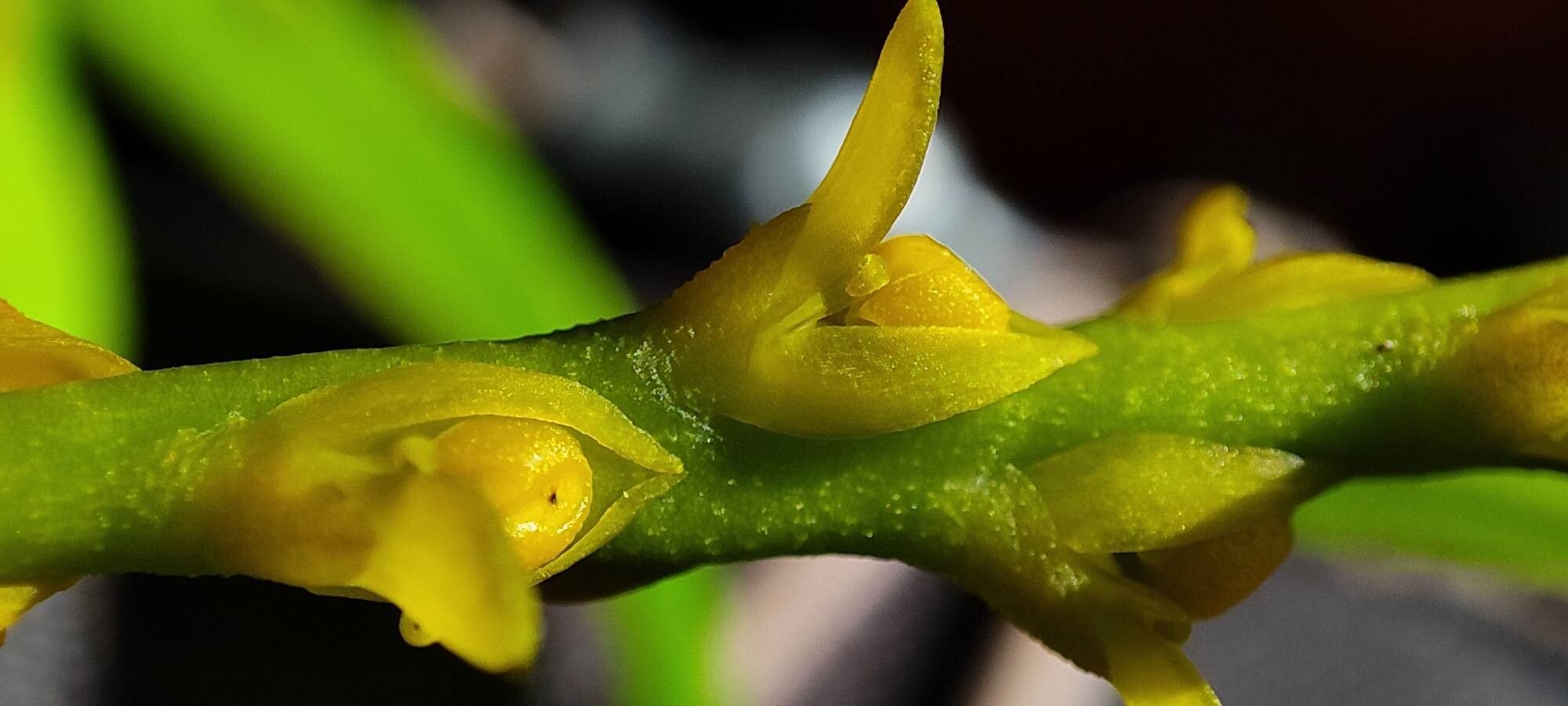
Oh, hello there! Come on in, grab a mug. I’m so glad you’re interested in propagating Bulbophyllum coccinatum. It’s a truly delightful orchid with its cheerful, often brightly colored flowers. There’s something so special about coaxing new life from an existing plant, isn’t there? Watching a tiny piece transform into a thriving orchid fills my heart with joy, and I’m eager to share that with you. Now, as for it being easy or challenging for beginners? I’d say Bulbophyllum coccinatum falls somewhere in the middle. It’s not as straightforward as, say, a spider plant, but it’s certainly achievable with a little care and attention.
The Best Time to Start
When it comes to giving your new orchid babies the best start, timing is everything. The late spring and early summer months are your golden window. This is when our Bulbophyllum is usually actively growing after its rest period. You’ll often see new pseudobulbs or leafy shoots emerging, which are perfect candidates for propagation. Trying this when the plant is dormant or under stress can make it harder for it to establish itself.
Supplies You’ll Need
Before we dive in, let’s gather our tools. Having everything ready will make the process so much smoother.
- Sharp, sterilized pruning shears or a clean knife: For making precise cuts. Sterilize with rubbing alcohol between each cut to prevent disease.
- Potting mix: A well-draining orchid mix is crucial. For Bulbophyllum, I often use a blend of medium-grade orchid bark, perlite, and a touch of sphagnum moss. You can buy pre-made mixes or create your own.
- Small pots or containers: New propagations don’t need much space. Yogurt cups (with drainage holes poked in the bottom), small plastic pot inserts, or even propagation domes work well.
- Sphagnum moss: Good quality, long-fibered sphagnum is excellent for creating a humid environment for cuttings.
- Rooting hormone (optional but helpful): A powder or gel rooting hormone can give cuttings a little boost.
- Water: Clean, lukewarm water for misting.
- A plant mister: For keeping things moist without waterlogging.
Propagation Methods
For Bulbophyllum coccinatum, division is generally the most straightforward and successful method. This orchid tends to grow in clumps, and separating these clumps allows each division to get a good start.
Division Method:
- Gently remove the orchid from its pot. If it’s been in the same pot for a while, you might need to carefully loosen the root ball from the sides.
- Inspect the plant for natural divisions. Look for areas where the rhizome (the creeping stem) has grown apart, with clusters of pseudobulbs and roots forming their own distinct sections. You’re looking for sections that have at least two or three healthy pseudobulbs and a good root system.
- Using your sterilized shears or knife, carefully cut through the rhizome. Make sure each division has a substantial amount of healthy roots attached. If there are a lot of old, dead roots, gently trim those away.
- Remove any old, spent potting mix. You want clean divisions to start with.
- Pot up each division. Place the division in its own small pot. You want the pseudobulbs to sit on the surface of the mix, not be buried. Fill the pot with your prepared orchid mix, tucking it around the roots to provide support.
- Water sparingly at first. Don’t drench it right away. A light watering or misting is best. Your goal is to let the plant settle in and for any minor cuts to dry out a bit before full watering.
The “Secret Sauce” (Pro Tips)
Now for a couple of little tricks I’ve learned along the way that can make a big difference.
- Don’t be afraid of a little “air root”. Sometimes, you might see a segment with a nice pseudobulb but fewer root hairs attached. If it has at least two pseudobulbs, it can often still root successfully. Just make sure to keep that area slightly more humid while it establishes.
- Bottom heat is your friend. If you can provide a gentle bottom heat source – like a seedling mat set to a low temperature (around 70-75°F or 21-24°C) – it can significantly speed up root development. It mimics the warmth of a tropical environment and really encourages those new roots to emerge.
Aftercare & Troubleshooting
Once your divisions are potted, consistency is key.
- Humidity is crucial, especially for new divisions. Mist the leaves lightly daily, or use a humidity tray. You want to keep them hydrated without water sitting on the leaves for too long, which can lead to fungal issues.
- Provide bright, indirect light. Think of the dappled sunlight filtering through a rainforest canopy.
- Water when the potting mix is starting to dry out. This might be every few days, depending on your environment. Avoid letting the plant sit in soggy conditions.
- Watch for root rot. The most common sign of trouble is a mushy, dark, foul-smelling root. If you see this, you’ll need to repot immediately, remove the affected roots, and perhaps treat with a fungicide. Overwatering is usually the culprit.
- Patience is paramount. It can take several weeks, sometimes even a few months, for new roots to become visible and for the division to show signs of active growth. Don’t panic if you don’t see instant results!
A Encouraging Closing
There you have it! Propagating Bulbophyllum coccinatum is a rewarding journey. It’s a chance to deepen your understanding of these fascinating plants and to share their beauty. Remember to be patient, observe your new plants carefully, and most importantly, enjoy the process of nurturing these little green wonders. Happy growing!
Resource:
https://identify.plantnet.org/k-world-flora/species/Bulbophyllum%20coccinatum%20H.Perrier/data