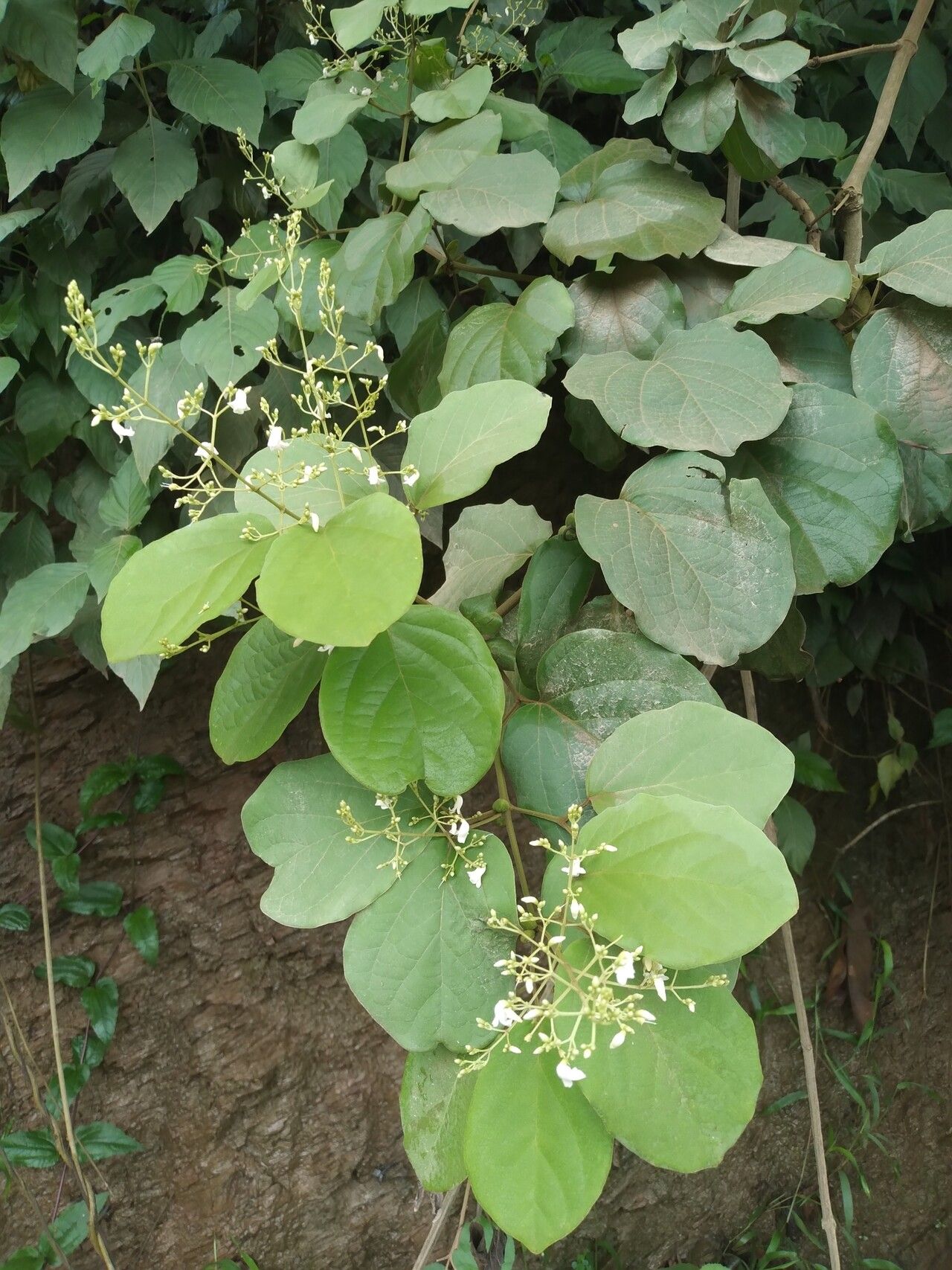
Oh, hello there! It’s so lovely to have you join me today. We’re going to dive into something truly special: propagating Tynanthus polyanthus. You know, that gorgeous vine with its delicate, trumpet-shaped flowers and intoxicating fragrance? If you’ve ever admired one and thought, “Wouldn’t it be wonderful to have more of these?” then you’re in the right place. Growing new plants from your existing favorites is such a rewarding part of gardening, and while Tynanthus polyanthus can be a tad particular, I promise, it’s absolutely achievable. For beginners, it might be a bit of a learning curve, but with a little patience and this guide, you’ll be well on your way.
The Best Time to Start
When it comes to getting these beauties to strike, timing is everything. I’ve found the most success when propagating from softwood cuttings. This means taking cuttings from new, flexible growth. The ideal period for this is typically in late spring to early summer, after the plant has finished its initial burst of growth but before the heat of midsummer really sets in. You want healthy, actively growing stems that aren’t yet woody.
Supplies You’ll Need
Gathering your tools beforehand makes the whole process so much smoother. Here’s what you’ll want to have on hand:
- Sharp pruning shears or a clean, sharp knife: For taking precise, clean cuts and avoiding damage to your mother plant.
- Rooting hormone: A good quality rooting powder or gel will significantly increase your success rate by encouraging root development.
- Small pots or propagation trays: With good drainage holes, of course!
- A well-draining potting mix: I like to use a blend of equal parts peat moss (or coir) and perlite, or a dedicated seed-starting mix. This ensures good aeration and prevents waterlogging.
- A clear plastic bag or a propagator lid: To create a humid environment for your cuttings.
- Watering can with a fine rose: For gentle watering.
- Labels and a permanent marker: To keep track of what you’ve propagated and when!
Propagation Methods
Let’s get our hands dirty with the most reliable methods for Tynanthus polyanthus.
Stem Cuttings (My Go-To!)
This is hands-down the most effective way I’ve found to propagate Tynanthus polyanthus.
- Select your stems: Look for healthy, non-flowering shoots that are about 4-6 inches long. Gently bend a stem; if it snaps cleanly, it’s likely softwood.
- Make the cut: Using your sharp shears or knife, make a clean cut just below a leaf node. A leaf node is where a leaf attaches to the stem – this is where roots are most likely to form.
- Prepare the cuttings: Remove the lower leaves from the stem, leaving only one or two sets of leaves at the top. This prevents leaves from rotting in the soil and conserves the cutting’s energy. You can also trim any particularly large leaves in half to reduce water loss.
- Apply rooting hormone: Dip the cut end of the stem into the rooting hormone, tapping off any excess. Make sure the node you cut below is coated.
- Plant your cuttings: Make a small hole in your prepared potting mix with a pencil or your finger. Gently insert the cutting into the hole, ensuring the rooting hormone stays on the cut end and that the nodes without leaves are below the soil surface. Firm the mix gently around the stem.
- Water gently: Water the soil thoroughly but carefully, making sure not to dislodge the cuttings.
- Create humidity: Cover the pots with a clear plastic bag or place them in a propagator, sealing it to trap moisture. You can use stakes to keep the bag from touching the leaves. Place them in a bright spot, but out of direct sunlight.
Water Propagation (For the Patient Observer)
While not always as successful for woody plants as soil propagation, I’ve had some luck with Tynanthus polyanthus using water.
- Take your cuttings: Follow steps 1-3 from the stem cutting method.
- Place in water: Fill a clean jar or glass with fresh water. Place the prepared cuttings into the water, ensuring that the leaf nodes are submerged, but that no leaves are touching the water’s surface.
- Location: Place the jar in a bright location away from direct sun.
- Change water regularly: Change the water every few days to keep it fresh and prevent bacterial growth. You’ll start to see tiny root nubs appearing along the submerged stem.
The “Secret Sauce” (Pro Tips)
These are the little things that, in my experience, really make a difference:
- Don’t let your leaves touch the water! This is crucial for water propagation. Any submerged leaves will rot, and this rot can quickly spread to the cutting, dooming it before roots even have a chance to form. It’s a common mistake, but one that’s easily avoided by pinching off lower leaves.
- Bottom heat is your friend. If you have the space, placing your pots on a gentle heat mat can significantly speed up the rooting process. It mimics the warmth of spring soil and gives those latent roots a real boost. Just make sure the heat isn’t too intense – think warm, not hot.
- Sterilize everything! I can’t stress this enough. Cleanliness is paramount with propagation. Dirty tools or pots can introduce diseases that will kill your delicate cuttings. I always give my shears and pots a good scrub and often a quick wipe down with rubbing alcohol.
Aftercare & Troubleshooting
Once you see roots! Oh, the joy!
- When roots appear: If you propagated in water, you’ll see roots forming in the jar. Once these roots are about an inch long, it’s time to pot them up into your well-draining potting mix. Treat them just like you would new cuttings in soil. For soil-propagated cuttings, you can gently tug on a cutting – if there’s resistance, it means roots have formed. You can also look for new leaf growth, which is a good sign.
- Continue misting: Keep the humidity levels high for a few weeks after potting them up. Mist the leaves regularly with water, especially if you have the plastic covering still on.
- Gradual acclimatization: As your new plants get stronger, gradually increase ventilation by opening the plastic bag or propagator lid for longer periods. This helps them adjust to life outside their humid nursery.
Troubleshooting common issues:
- Rotting stems: This is usually a sign of overwatering and poor drainage. Ensure your soil mix is airy and that you’re not keeping it constantly soggy. Let the surface dry out slightly between waterings.
- Wilting cuttings: This can be due to too much direct sun or not enough humidity. Make sure they are in bright, indirect light and that their humid environment is maintained. Sometimes a cutting might just be a dud, and that’s okay.
Happy Propagating!
Gardening is a journey, and propagation is a wonderful way to embark on new adventures. Be patient with your Tynanthus polyanthus cuttings. Some will take off like little rockets, while others might be a bit slower to respond. Celebrate every sprout, every root, and every new leaf. The act of nurturing a new life from a snippet of your beloved plant is one of the most fulfilling rewards a gardener can experience. Now, go forth and grow!
Resource: