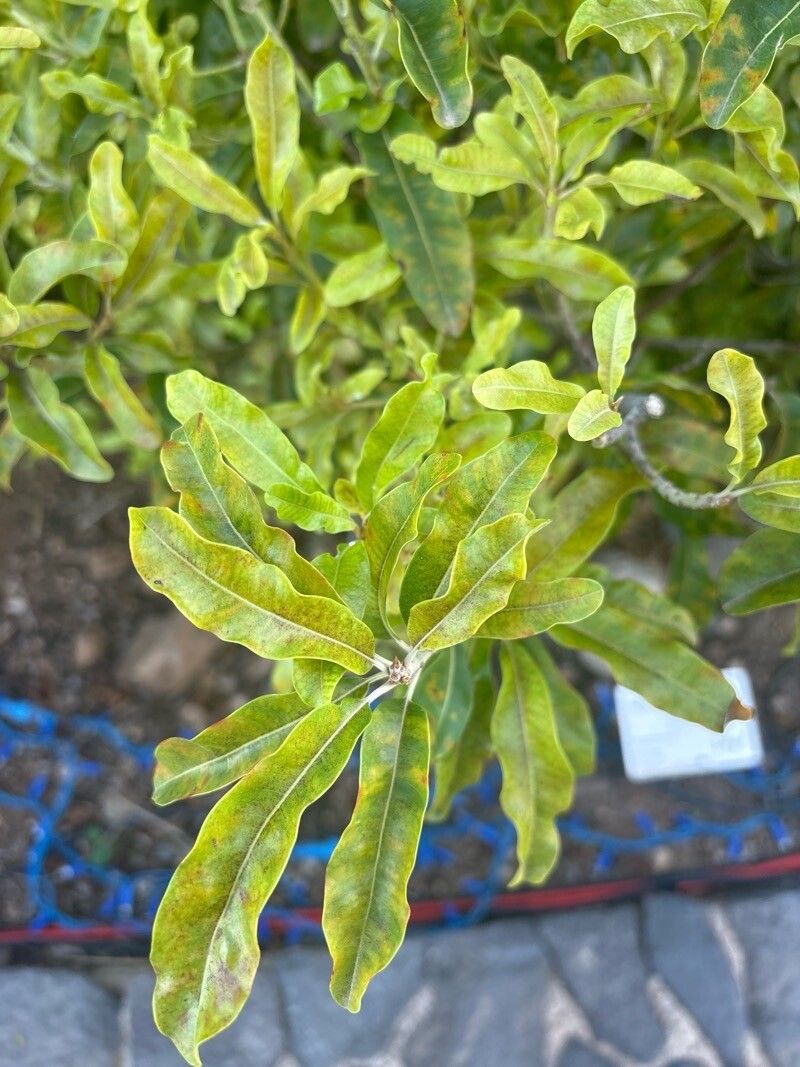
Hello fellow plant lovers! Today, we’re diving into the wonderful world of propagating Sideroxylon canariense, also known as the Canary Islands Holly. This stunning evergreen is a real showstopper with its glossy, dark green leaves and sometimes even attractive berries. Growing one from scratch feels like unlocking a little bit of natural magic, and it’s incredibly rewarding. If you’re new to plant propagation, this one might be a tad more challenging than a pothos, but don’t let that deter you. With a little patience and these tips, you can absolutely succeed!
When to Get Your Hands Dirty
The best time to start propagating Sideroxylon canariense is generally during its active growing season. For many of us, that means late spring through early summer. You’re looking for healthy, vigorous new growth. Avoid trying to take cuttings from plants that are stressed, dormant, or flowering heavily.
What You’ll Need to Get Started
Gathering your supplies before you begin will make the whole process smoother. Here’s what I usually have on hand:
- Sharp, clean pruning shears or a razor blade: For making clean cuts. Sterilize them with rubbing alcohol!
- Rooting hormone (optional, but recommended): This can significantly boost your success rates. Look for one formulated for woody cuttings.
- Well-draining potting mix: I like a blend of perlite, peat moss, and a bit of coir. You can also use a cactus/succulent mix.
- Small pots or trays: Clean ones, of course. Terracotta pots are great because they breathe.
- Plastic bags or a propagation dome: To create a humid environment.
- Water: For misting.
- Labels: To remind yourself what you propagated and when!
Let’s Get Propagating!
For Sideroxylon canariense, stem cuttings are your best bet.
- Select Your Cuttings: Look for healthy, semi-hardwood stems on your mature plant. These are stems that have started to firm up but aren’t old and woody. They should be about 6-8 inches long. Avoid the very tip growth and the old, woody base.
- Make the Cut: Using your sterilized shears or blade, take a clean cut just below a leaf node (where a leaf attaches to the stem). This is where the magic of root formation often begins.
- Prepare the Cutting: Gently remove the lower leaves from the cutting. You want to expose at least two nodes. If the remaining leaves are very large, you can even cut them in half to reduce water loss.
- Apply Rooting Hormone (If Using): Dip the cut end of the stem into your rooting hormone powder, tapping off any excess.
- Plant Your Cuttings: Fill your small pots with your well-draining potting mix. Make a hole with your finger or a pencil in the center of the soil. Insert the cut end of the stem into the hole, making sure the nodes where you removed leaves are below the soil surface. Gently firm the soil around the cutting.
- Create the Humid Environment: Water the soil lightly until it’s evenly moist but not soggy. Then, place a clear plastic bag loosely over the pot, or cover it with a propagation dome. This traps humidity, which is crucial for cuttings to develop roots before they dehydrate.
Another method, though less common for this particular plant, is water propagation, but I almost always recommend soil for woodier plants like this.
The “Secret Sauce” – My Insider Tips
- Don’t Over-Water: This is probably the most common mistake. The soil should be consistently moist, like a wrung-out sponge, not waterlogged. Too much water will cause the cuttings to rot before they can root.
- Bottom Heat is Your Friend: If you have a seedling heat mat, place your pots on it. Gentle warmth from below encourages root development much faster than ambient room temperature alone. It’s like a cozy little spa for your cuttings!
- A Tad of Shade: While I mentioned taking cuttings during the growing season, the newly planted cuttings themselves prefer bright, indirect light. Direct sun can easily scorch those tender leaves and dry out the cuttings too quickly.
Aftercare and What to Watch For
Once your cuttings are planted, the waiting game begins! Keep the soil consistently moist and the humidity high. You can lightly mist the leaves every few days, but avoid letting water pool on them.
How do you know when it’s working? After a few weeks, you’ll start to see new leaf growth! That’s a fantastic sign that roots are forming. You can also give the cutting a very gentle tug. If you feel resistance, it usually means roots have developed.
Troubleshooting: The most common issue is rot. If you see the cutting turning black and mushy, it’s likely too much moisture and not enough air circulation. Unfortunately, once rot sets in, it’s hard to save. Your best bet is to discard the rotted cutting and learn from it. Another sign of failure is if the leaves shrivel and dry up completely, meaning the cutting couldn’t establish enough roots to support itself.
Keep Growing!
Propagating plants is a journey, and each plant is a little lesson. Don’t be discouraged if your first attempt isn’t a roaring success. Be patient, observe your cuttings, and celebrate every little bit of progress. Soon enough, you’ll have your very own baby Sideroxylon canariense to nurture! Happy gardening!
Resource: