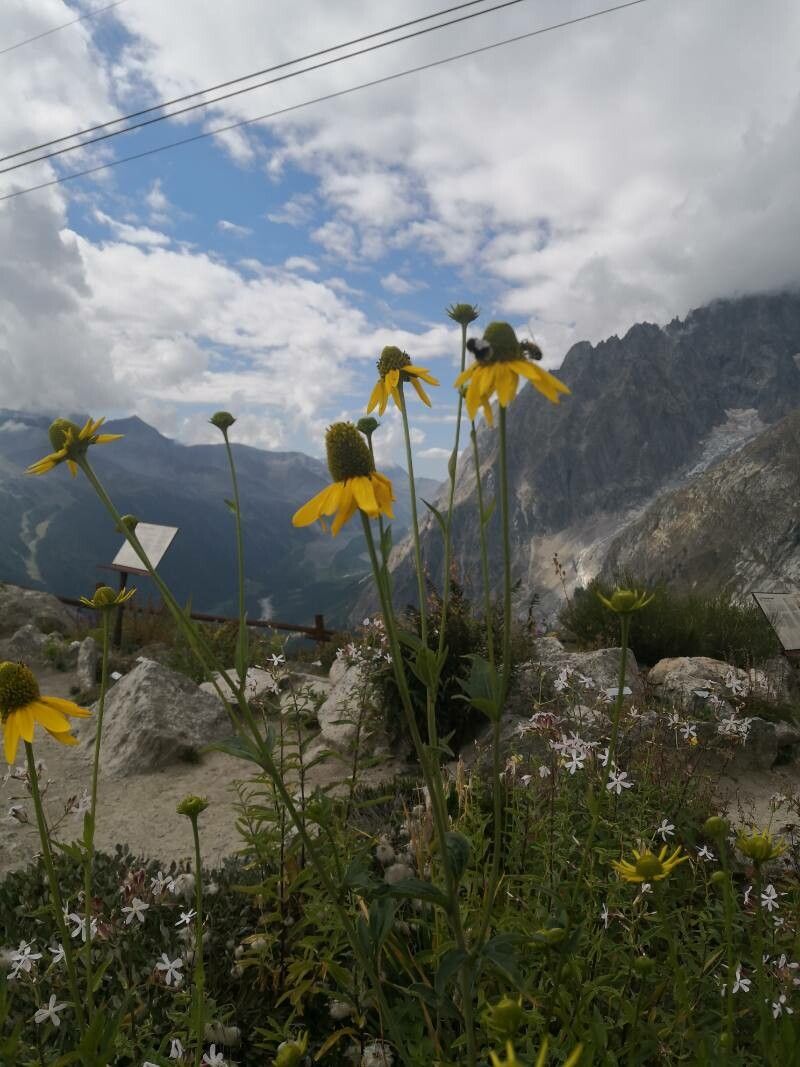
Oh, hello there! Pull up a chair, and let’s chat about Rudbeckia glaucescens. You know, those cheerful coneflowers that just scream summer and sunshine? I’ve always had a soft spot for them in my garden. Their vibrant yellow petals and dark centers are such a friendly presence, and growing more of them from your existing plants is incredibly satisfying. If you’re new to plant propagation, I’d say Rudbeckia glaucescens is a wonderfully approachable subject. You’ll likely find great success with a little bit of attention.
The Best Time to Start
For the most robust results, I like to start propagating Rudbeckia glaucescens in late spring or early summer. This is when the plant is actively growing and has plenty of energy to put into developing new roots. Waiting until after the first flush of blooms is also a good time, as the plant has already put on a good show and is ready to get busy with further growth.
Supplies You’ll Need
- Sharp pruning shears or a clean knife: For taking cuttings and dividing.
- Small pots or trays: About 4-6 inch diameter pots are perfect.
- A good quality potting mix: I prefer a blend that offers excellent drainage. Mixing equal parts peat moss, perlite, and compost works like a charm.
- Rooting hormone (optional but recommended): A powdered or gel form will help speed things up.
- A watering can with a fine rose: For gentle watering.
- Labels: To keep track of what you’ve planted!
- A plastic bag or propagator lid: To create a humid environment.
Propagation Methods
Rudbeckia glaucescens is quite happy to be propagated through division and by taking stem cuttings. Both are straightforward, but let’s walk through them.
Division
This is my absolute favorite method for Rudbeckia. It’s like giving your established plant a little haircut and getting new plants in return!
- Dig Carefully: In late spring or early summer, gently dig around your Rudbeckia plant. You want to lift the entire clump out of the ground.
- Gently Separate: Once out, you’ll see the plant has multiple crowns. Use your hands to gently pull these crowns apart. If they’re a bit stubborn, your pruning shears can help you cut through any thick roots. Aim to give each division at least one or two healthy stems and a good root ball.
- Replant Immediately: It’s best to get these divisions back into the soil right away. Plant them in your prepared potting mix at the same depth they were originally growing. Water them thoroughly.
Stem Cuttings
This method takes a bit more finesse, but it’s incredibly rewarding!
- Take Cuttings: Select healthy, non-flowering stems from your Rudbeckia. Using sharp shears, cut sections about 4-6 inches long, just below a leaf node (where a leaf attaches to the stem).
- Prepare the Cuttings: Remove the lower leaves from the cutting, leaving just a few at the top. If you’re using rooting hormone, dip the cut end into it now.
- Plant the Cuttings: Fill your small pots with your well-draining potting mix. Make a hole in the center of the soil with your finger or a pencil.
- Insert and Water: Gently push the cutting into the hole, making sure the cut end is in contact with the soil. Firm the soil around the base. Water gently.
- Create Humidity: Cover the pot with a clear plastic bag, securing it around the rim, or place it in a propagator. This keeps the humidity high, which is crucial for cuttings to root.
The “Secret Sauce” (Pro Tips)
Here are a couple of tricks I’ve learned over the years that really boost my success rates.
- Don’t Drown Your Cuttings: For stem cuttings, it’s really important that the remaining leaves don’t touch the water if you’re using a bag or propagator. If they do, they can rot, and you’ll lose your cutting before it even has a chance to root. You might need to prop the bag up a bit.
- Consider Bottom Heat: For those trickier cuttings (though Rudbeckia are usually quite obliging!), placing your pots on a heat mat designed for seedlings can make a world of difference. It encourages root development from below. You can often find these at your local garden center.
Aftercare & Troubleshooting
Once you’ve got your divisions planted or your cuttings in their pots, keep them in a bright, indirect light location. Water them when the top inch of soil feels dry.
For stem cuttings, you’ll know roots have formed when you see new leaf growth. You can also give a gentle tug – if there’s resistance, you’ve got roots! Once they’re well-rooted, you can carefully remove them from the plastic bag or propagator and start to harden them off gradually before planting them into larger pots or their final garden spot. This means taking them outside for a few hours each day for about a week.
The most common issue you’ll encounter is rot, especially with stem cuttings if they’re kept too wet or not in a well-draining mix. If you see a cutting turning black and mushy, discard it and try again, ensuring better drainage and less moisture. With divisions, if wilt is prolonged and accompanied by yellowing lower leaves, it might indicate transplant shock. Keep them consistently watered and shaded for a while.
Keep Nurturing!
Growing new plants from your beloved Rudbeckia is such a wonderfully rewarding endeavor. Be patient with yourself and your new little plant babies. There will be successes, and maybe a few learning moments, but that’s all part of the gardening journey. Enjoy the green, and happy propagating!
Resource:
https://identify.plantnet.org/k-world-flora/species/Rudbeckia%20glaucescens%20Eastw./data