Hey there, fellow green thumbs!
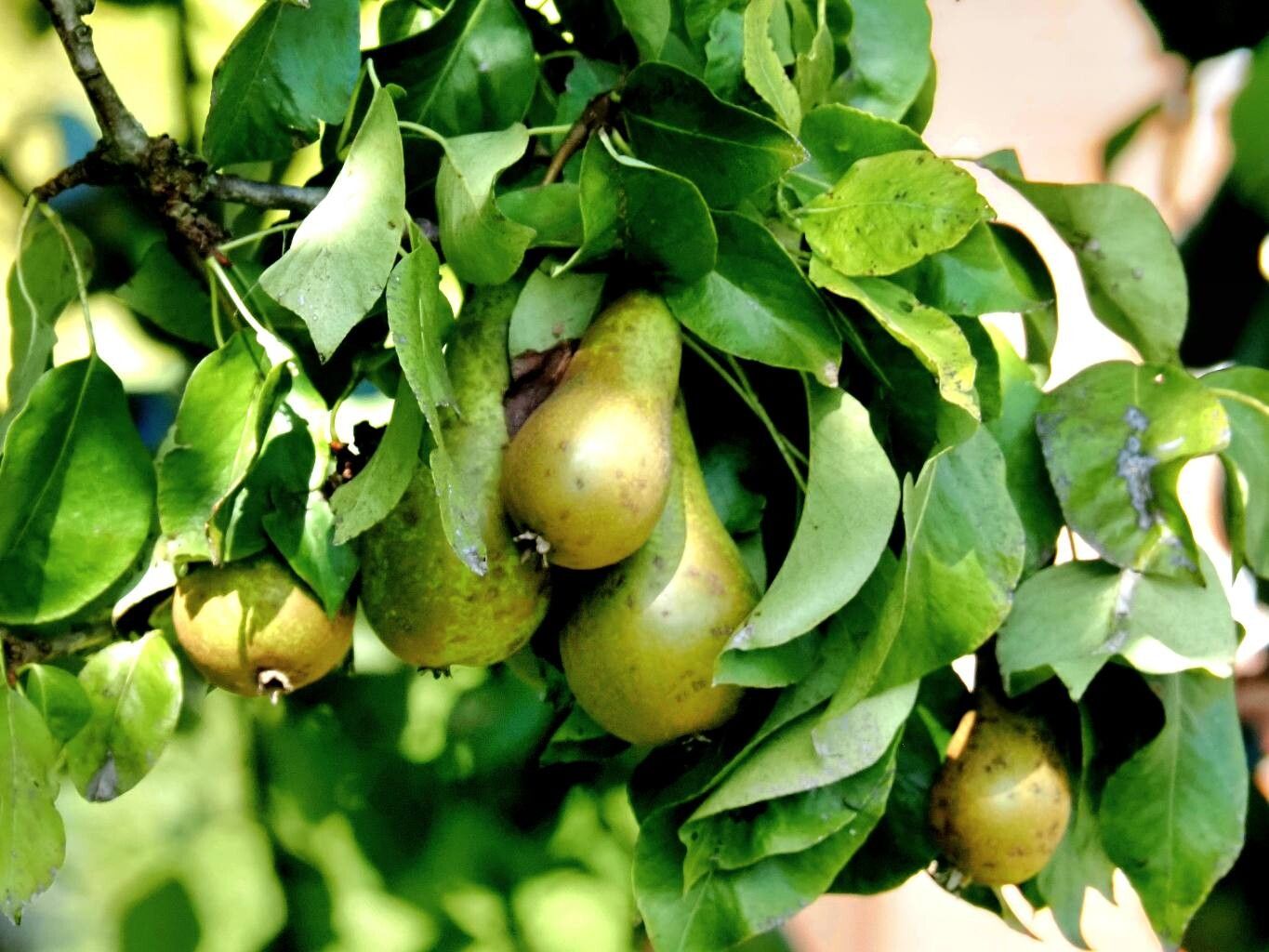
Today, we’re diving into the wonderful world of propagating Pyrus communis, or as you probably know it, the common pear tree. There’s something incredibly satisfying about coaxing a brand new pear tree from a small cutting or seed, isn’t there? Imagine enjoying fruit from a tree you grew yourself! It’s a rewarding journey, and while a bit more involved than, say, a spider plant, it’s definitely achievable, even for those of you who are just starting to get your hands dirty.
Let’s get growing!
The Best Time to Start
Timing is everything in the garden, and for pear trees, late spring to early summer is your sweet spot. This is when the plant is actively growing, so your cuttings will have the best chance of rooting. Look for semi-hardwood cuttings, which are shoots that have started to harden up but are still a bit flexible. Avoid the very soft, floppy new growth or the old, woody stems.
Supplies You’ll Need
Gathering your tools beforehand makes the whole process much smoother. Here’s what I always have on hand:
- Sharp Pruning Shears or a Knife: Clean, sharp tools are crucial to make clean cuts and prevent disease.
- Rooting Hormone: This stuff is like a magic potion, giving your cuttings a helpful boost to develop roots. Look for one with IBA (indole-3-butyric acid).
- Well-Draining Potting Mix: A good blend is key. I like a 50/50 mix of peat moss or coco coir and perlite or coarse sand. This ensures good aeration and prevents waterlogging.
- Small Pots or Seed Tray: Choose containers with drainage holes.
- Plastic Bag or Propagator Lid: To create a micro-humid environment.
- Spritzer Bottle: For light misting.
- Small Labels and a Pen: To keep track of what you’ve planted and when.
Propagation Methods
While you can grow pears from seed, it’s generally not recommended for true-to-type fruit production – the resulting trees might not have the same delicious fruit as the parent. For reliable results and faster fruiting, stem cuttings are your best bet.
Here’s how I approach it with stem cuttings:
- Take Your Cuttings: On a bright, but not scorching, morning, select healthy, vigorous shoots. Using your sharp pruners, take cuttings that are about 6-8 inches long. Make the bottom cut just below a leaf node (where a leaf attaches to the stem).
- Prepare the Cuttings: Rinse off any sap with cool water. Remove the leaves from the bottom half of the cutting. You can trim any very large leaves in half to reduce water loss, but leave a few healthy leaves at the top.
- Apply Rooting Hormone: Dip the cut end of each cutting into the rooting hormone powder, tapping off any excess.
- Pot Them Up: Fill your pots or trays with the prepared potting mix. Make a hole with a pencil or your finger and gently insert the rooting hormone-coated end of the cutting. Firm the soil gently around the stem. You can stick 2-3 cuttings per small pot.
- Create a Humid Environment: Water the soil thoroughly until it drains from the bottom. Then, cover the pots with a clear plastic bag, propped up with stakes so it doesn’t touch the leaves, or place them under a propagator lid. This traps moisture and humidity, which is vital for rooting.
- Place in a Warm, Bright Spot: Find a location that receives bright, indirect light. Avoid direct sun, which can scorch the cuttings.
The “Secret Sauce” (Pro Tips)
You’ve got the basics down, but here are a couple of tricks I’ve learned over the years that can really boost your success:
- Bottom Heat is Your Friend: If you can manage it, placing your pots on a gentle heat mat (designed for propagation) can significantly speed up root formation. It mimics the warmth of spring soil and encourages those roots to get moving, especially if your propagating area is a bit cooler.
- Don’t Drown Your Dreams: While humidity is crucial, don’t let the leaves sit in standing water if you’re using a cloche or bag. Regularly check the soil moisture. It should feel like a wrung-out sponge – moist, but not soggy. If you see condensation build up heavily, open the bag or lid for a few hours to allow for some air circulation and prevent fungal issues.
Aftercare & Troubleshooting
Once you see new leaf growth, that’s a great sign that your cuttings are starting to root! It usually takes 4-8 weeks, sometimes longer.
- Gradual Acclimatization: As your cuttings develop, gradually introduce them to less humid conditions. After a couple of weeks of seeing new growth, start opening the plastic bag or propagator lid for longer periods each day.
- Check for Roots: You can gently tug on a cutting – if there’s resistance, roots are likely forming.
- Transplanting: Once the root ball is well-established (you can see roots coming out the drainage holes), you can carefully transplant your new pear saplings into individual pots. Continue to keep them in a bright spot and water them consistently.
Of course, things don’t always go to plan. The most common problem you’ll encounter is rot, which usually happens from too much moisture and poor air circulation. If you see your cuttings turning mushy and black, it’s usually a lost cause. Don’t get discouraged! Gardening is an experiment, and sometimes we learn more from our failures than our successes. Just trim away any rotting material and try again!
Happy Growing!
There you have it! Propagating Pyrus communis is a fantastic way to connect with nature and potentially grow your own future fruit source. Be patient, enjoy the process, and celebrate every little bit of progress. Happy gardening!
Resource:
https://identify.plantnet.org/k-world-flora/species/Pyrus%20communis%20L./data