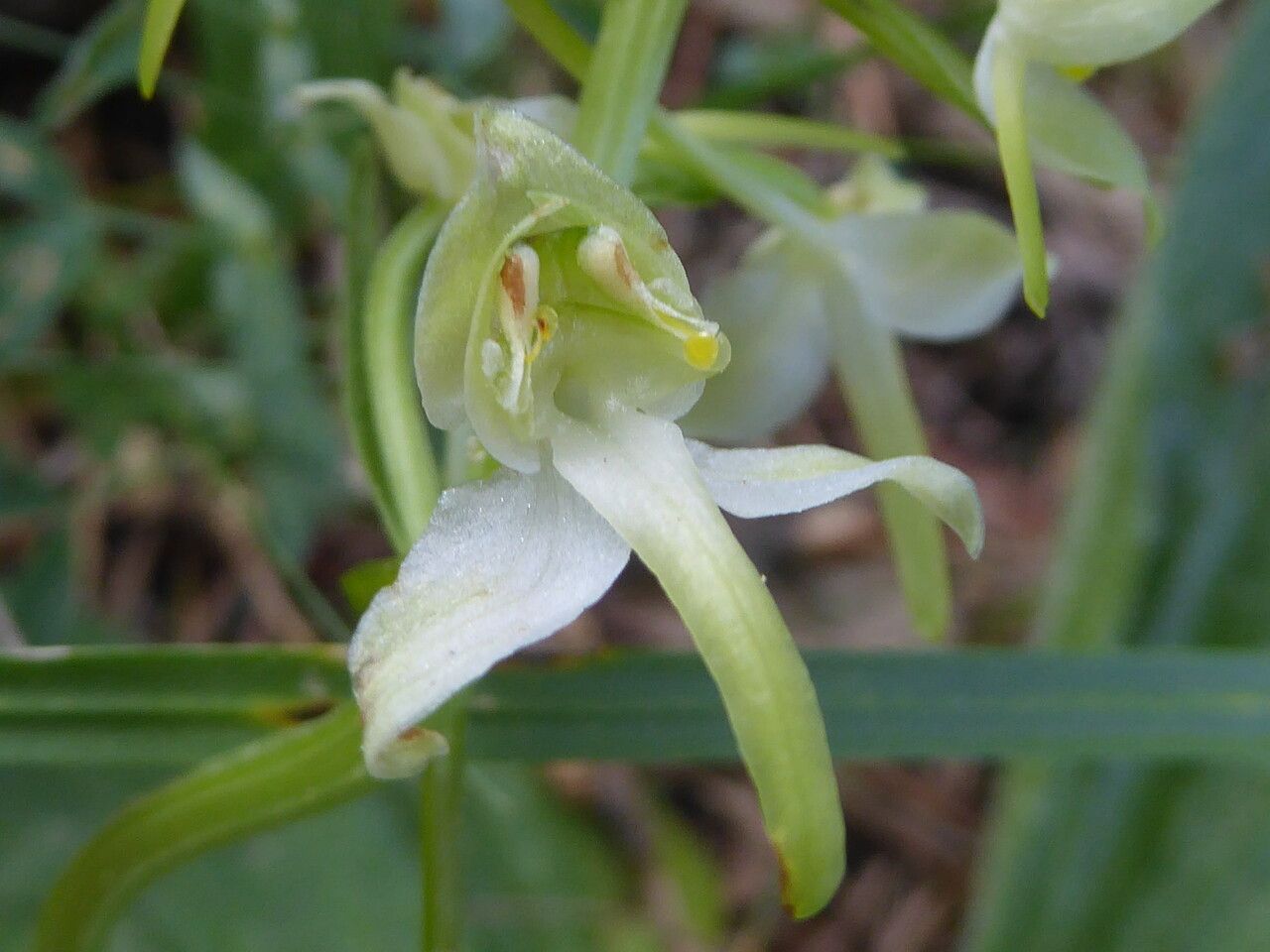
Oh, hello there! Come on in, let’s chat about one of my favorite discoveries in the garden: Platanthera chlorantha, or the Greater Butterfly Orchid. You know, those ethereal beauties with their delicate, pale green flowers that just seem to float on the breeze? They have this wonderfully subtle scent, too, particularly in the evening. I find growing them from scratch incredibly rewarding. They’re not exactly a beginner’s first pick, truth be told, but with a little patience and the right approach, it’s absolutely achievable. Think of it as a delightful challenge that truly pays off.
The Best Time to Start
For Platanthera chlorantha, timing is everything. You’ll want to divide your existing plants in late summer or early autumn, just as the foliage is starting to die back. This gives the separated divisions a chance to establish their roots before the real cold sets in. If you’re trying to propagate from seed (which is a whole other adventure!), that’s typically done in the autumn as well, mimicking natural seed fall.
Supplies You’ll Need
Gathering your tools beforehand makes the whole process much smoother. Here’s what I always have on hand:
- Sharp, sterilized pruning shears or a clean knife: For making precise cuts.
- Well-draining potting mix: A blend of coarse peat, perlite, and perhaps some orchid bark works wonders. Orchids hate soggy feet!
- Small pots or trays: Enough to house your new divisions.
- Watering can with a fine rose attachment: Gentleness is key!
- Rooting hormone (optional): For divisions, this can give them an extra boost.
- Labels and a permanent marker: To keep track of what’s what and when you did it.
Propagation Methods
Now, for the hands-on part! For Platanthera chlorantha, division is your most reliable method.
- Gently excavate: Carefully dig up your established orchid clump. Try to disturb the root ball as little as possible. You’ll likely see small, fleshy tubers clustered together.
- Locate growing points: Look for where new growth is emerging from the tubers, or where the tubers naturally separate.
- Make the cut: Using your sterilized shears or knife, carefully separate the tubers. Aim to give each division at least one healthy-looking tuber and a small piece of the rhizome (the creeping stem from which the tubers sprout). If you can see tiny, undeveloped shoots on a tuber, that’s perfect!
- Pot them up: Plant each division in its own pot, using your well-draining mix. Make sure the top of the tuber is just barely covered by the soil.
- Water sparingly: Give them a light watering. The goal is to settle the soil, not to drench them.
The “Secret Sauce” (Pro Tips)
Here are a few little tricks I’ve learned over the years that really make a difference:
- Think like a forest floor: These orchids often grow on mossy banks. If you can, tucking a bit of sphagnum moss around the base of your new divisions after potting can help retain just the right amount of moisture without waterlogging. It mimics their natural environment beautifully.
- Patience is a virtue, especially with orchids: Don’t be tempted to keep digging them up to check for roots! It can take weeks, even months, for new growth to appear. Resist the urge to fuss too much. Give them a consistent, slightly moist environment and let them do their thing.
Aftercare & Troubleshooting
Once your divisions are potted, place them in a shaded spot, protected from harsh sun and wind. Keep the soil lightly moist – never soggy. You’re aiming for a gentle dampness.
The most common sign of trouble is rot. If you notice any mushy, foul-smelling sections, it’s a clear indication of too much moisture or poor drainage. Unfortunately, if rot sets in severely, it can be hard to save the division. Prevention is key here: always use that excellent, well-draining mix and water with caution. If you see wilting foliage that isn’t due to dryness, it might be the roots struggling. Again, blame it on too much wetness.
A Little Encouragement
Propagating Platanthera chlorantha is a journey. There might be a few bumps along the way, but each attempt teaches you something new. Just be gentle, be patient, and enjoy the quiet magic of coaxing new life from your established beauties. Happy gardening!
Resource:
https://identify.plantnet.org/k-world-flora/species/Platanthera%20chlorantha%20(Custer)%20Rchb./data