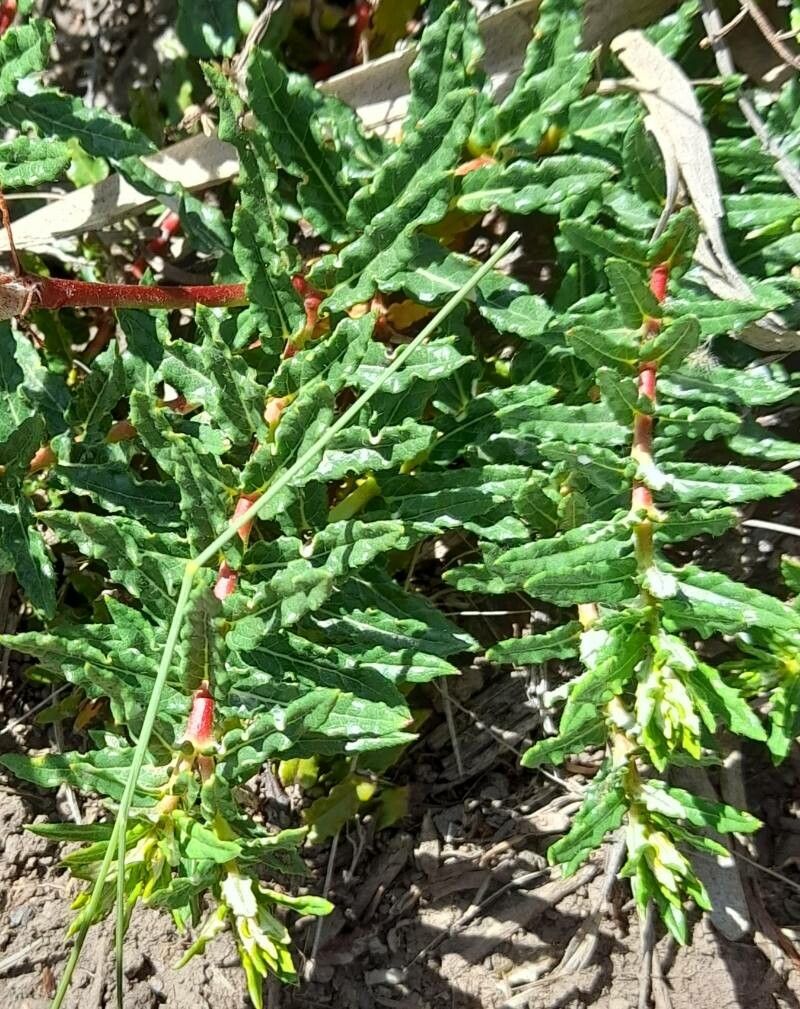
Oh, Mandevilla petraea! Just picturing those glorious trumpet-shaped blooms, dripping with vibrant color, makes my heart sing. If you’re anything like me, you’ve probably found yourself captivated by their lush foliage and spectacular flowering displays. Growing them from scratch is incredibly rewarding, and thankfully, it’s not as daunting as you might think. In fact, with a little guidance, it’s a wonderfully achievable project for most home gardeners.
The Best Time to Start
For Mandevilla petraea, the sweet spot for propagation is undoubtedly late spring to early summer. This is when the plant is actively growing, full of vigor, and has plenty of healthy new shoots to work with. Trying to propagate when the plant is dormant in winter is much less likely to yield those crucial roots.
Supplies You’ll Need
Before we get our hands dirty, let’s gather our toolkit:
- Sharp Pruning Shears or a Clean Knife: You need a tool that makes a clean cut to prevent damage.
- Rooting Hormone Powder or Gel: This is like a little encouragement booster for your cuttings.
- Small Pots or Seed Starting Trays: About 4-6 inches deep work well.
- Well-Draining Potting Mix: I love a mix of perlite, peat moss, and a bit of compost. You can also find specific seed-starting mixes that are perfect.
- Plastic Bags or a Clear Plastic Dome: To create a humid microclimate.
- Watering Can or Spray Bottle: For gentle watering.
- Labels: Trust me, you’ll thank yourself later!
Propagation Methods
Let’s dive into the two main ways I find success with Mandevilla petraea.
Stem Cuttings
This is my go-to method for Mandevilla. It’s straightforward and usually gives great results.
- Take Your Cuttings: Look for healthy, non-flowering stems that are about 4-6 inches long. Make your cut just below a leaf node. A leaf node is where a leaf attaches to the stem. This is where the magic happens, where roots are most likely to form.
- Prepare the Cuttings: Gently remove the lower leaves, leaving just the top two to three leaves. This reduces water loss and prevents leaves from rotting in the soil.
- Dip in Rooting Hormone: Dip the cut end of each stem into your rooting hormone. Tap off any excess.
- Plant Your Cuttings: Fill your pots with your prepared potting mix. Make a pilot hole with a pencil or your finger, then gently insert the cuttings, ensuring the leaf nodes are below the soil surface.
- Water Gently: Water the soil thoroughly but gently. You don’t want to wash away that rooting hormone!
- Create Humidity: Cover the pot with a plastic bag, creating a tent effect, or use a clear plastic dome. Make sure the plastic doesn’t touch the leaves too much. This keeps humidity high, which cuttings need while they’re trying to develop roots.
- Place in Bright, Indirect Light: Find a warm spot that gets plenty of bright, filtered light, but avoid direct sun, which can scorch the tender cuttings.
Water Propagation
This method is a bit more visual and can be very satisfying.
- Prepare Cuttings: Just like with stem cuttings, take 4-6 inch lengths of healthy, non-flowering stems from just below a leaf node. Remove all but the top two leaves.
- Place in Water: Fill a clean jar or glass with lukewarm water. Submerge the cut end of the cuttings, making sure no leaves are in the water. This is crucial to prevent rot.
- Change Water Regularly: Change the water every 2-3 days to keep it fresh and prevent bacterial growth.
- Provide Light: Place the jar in a location with bright, indirect light.
- Watch for Roots: You’ll start to see tiny white roots emerging from the leaf nodes. This can take a few weeks.
- Pot Up: Once the roots are about an inch long, you can carefully transplant them into pots filled with your well-draining potting mix. Treat them as you would newly rooted cuttings from the stem method.
The “Secret Sauce” (Pro Tips)
Here are a couple of things I’ve learned over the years that can really boost your success rate:
- Bottom Heat is Your Friend: Cuttings develop roots much faster when the soil is slightly warm. I often use a gentle seedling heat mat under my pots, especially if my propagation area is a bit cooler. It’s especially helpful for getting those stubborn Mandevilla cuttings going.
- Airflow is Key (Once Rooted): While humidity is vital for getting roots, once they’ve formed and you’re ready to transition the new plants, you need to gradually introduce them to lower humidity levels. Gradually open the plastic tent or dome over a few days. This helps them harden off and prevents fungal issues.
Aftercare & Troubleshooting
Once your cuttings have developed a healthy root system (you’ll feel a gentle tug when you try to lightly pull them, or you might see roots peeking out of the drainage holes), it’s time to treat them like small plants.
- Watering: Water them thoroughly when the top inch of soil feels dry. Avoid letting them sit in soggy soil, as this is a fast track to root rot.
- Light: Continue to provide bright, indirect light. As they grow stronger, you can gradually introduce them to more direct sun, but always keep an eye on them for any signs of stress.
- Fertilizing: Wait a few weeks after potting up before giving them their first light feeding. Use a diluted liquid fertilizer.
If you notice your cuttings wilting and dying back, or if they develop mushy, dark stems at the soil line, it’s likely overwatering or a lack of proper drainage. Don’t be discouraged if a few don’t make it. Gardening is a learning process, and sometimes it’s just one of those things!
A Warm Encouragement
Propagating your Mandevilla petraea is a journey, and like any rewarding endeavor, it requires a little patience. Enjoy the process of nurturing these new life forms, marvel at the tiny roots that emerge, and soon you’ll be rewarded with beautiful new plants to adorn your garden or share with fellow plant lovers. Happy growing!
Resource: