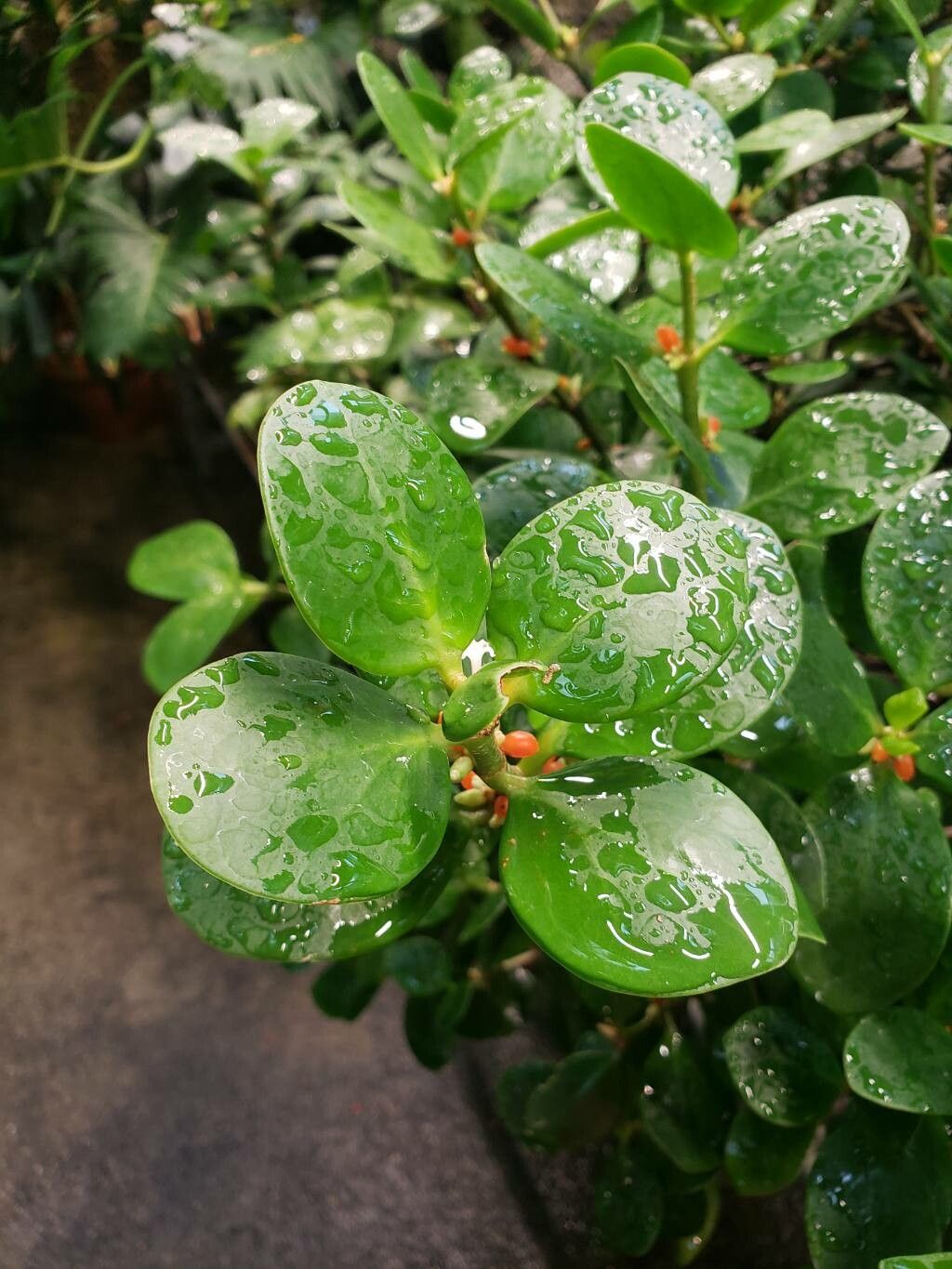
Hey there, fellow plant lovers! Today, I want to chat about a truly unique houseplant: Hydnophytum pauper. If you’re fascinated by plants that tell a story, you’re going to adore this one. It’s a fascinating epiphyte, meaning it grows naturally on other plants in its native habitat. The real magic, though, is its caudex, that swollen, bulbous base where it stores water and nutrients. It’s a bit like a tiny, living sculpture!
Propagating Hydnophytum pauper can be a wonderfully rewarding endeavor. Seeing a new baby plant sprout from a piece of your existing one feels like a little miracle. While it’s not difficult, it does require a bit of patience and attention to detail. I wouldn’t call it a beginner’s slam-dunk, but with a little care, you’ll be well on your way to success.
The Best Time to Start
When it comes to encouraging new growth, spring and early summer are your golden tickets. This is when your plant is naturally ramping up its growth after a period of rest. You’ll see new shoots and leaves emerging, which are perfect candidates for propagation. Trying to propagate when the plant is dormant is like asking someone to run a marathon after a long nap – they probably won’t be eager to get going!
Supplies You’ll Need
To give your cuttings the best shot at life, gather these essentials:
- Sharp, sterile pruning shears or a clean knife: For clean cuts that heal quickly.
- Rooting hormone (optional but helpful): A powder or gel that encourages root development.
- Well-draining potting mix: I like a blend of orchid bark, perlite, and a bit of peat moss. This mimics their natural airy environment and prevents waterlogging.
- Small pots or propagation trays: Something that fits your cuttings snugly.
- Clear plastic bags or a propagation dome: To create a humid environment.
- Watering can with a fine spout or spray bottle: For gentle watering.
- A warm spot: This is crucial!
Propagation Methods
For Hydnophytum pauper, the most reliable method I’ve found is through stem cuttings.
- Make the Cut: Select a healthy, semi-hardwood stem that has at least two to three nodes (the little bumps where leaves grow). Using your sterile shears, make a clean cut just below a node. This is where new roots will want to form.
- Prepare the Cutting: Gently remove the lower leaves from the cutting, leaving just the top one or two. If you’re using rooting hormone, dip the cut end into the powder or gel, tapping off any excess.
- Planting Your Cutting: Fill your small pot with your well-draining potting mix. Make a little hole with your finger or a pencil and carefully insert the cut end of the stem. Gently firm the soil around the base.
- Create a Humid Haven: Water the soil lightly. Then, cover the pot with a clear plastic bag, securing it around the rim with a rubber band, or place it under a propagation dome. This traps humidity, which is vital for those first rooty steps.
- Find a Warm Spot: Place the pot in a bright location with indirect light. Crucially, find a spot where you can provide bottom heat. A seedling heat mat works wonders here, keeping the soil at a comfortable temperature (around 70-75°F or 21-24°C) and encouraging root formation.
The “Secret Sauce” (Pro Tips)
Over the years, I’ve learned a few tricks that really give cuttings a boost:
- Don’t Drown the Leaves: If you’re using a plastic bag, make sure the leaves aren’t touching the sides of the bag. Condensation is good, but soggy leaves can lead to rot. Give them a gentle wipe if they get too wet.
- Bottom Heat is Your Best Friend: I cannot stress this enough for Hydnophytum. It significantly speeds up root development and is often the difference between a cutting that thrives and one that struggles.
- Patience, Grasshopper: Hydnophytum pauper is not the fastest propagator. You might not see roots for 4-8 weeks, sometimes even longer. Resist the urge to constantly dig them up to check!
Aftercare & Troubleshooting
Once you’ve spotted new growth – a tiny leaf unfurling or, even better, a gentle tug revealing resistance – that’s a good sign roots are forming! Gradually acclimate your new plant to lower humidity by opening the plastic bag for short periods each day over a week or two. Continue to water when the top inch of soil feels dry, always ensuring good drainage.
The most common issue you’ll encounter is rot. If your cutting looks mushy, black, or slimy, sadly, it’s probably not going to make it. This is usually due to overwatering and poor drainage, or insufficient warmth. Don’t be discouraged; learn from it and try again!
A Brighter Future
Propagating Hydnophytum pauper is a journey, not a race. It’s about understanding the plant’s needs and responding with care. So grab your shears, find a warm spot, and enjoy the slow, steady magic of new life. Happy propagating!
Resource: