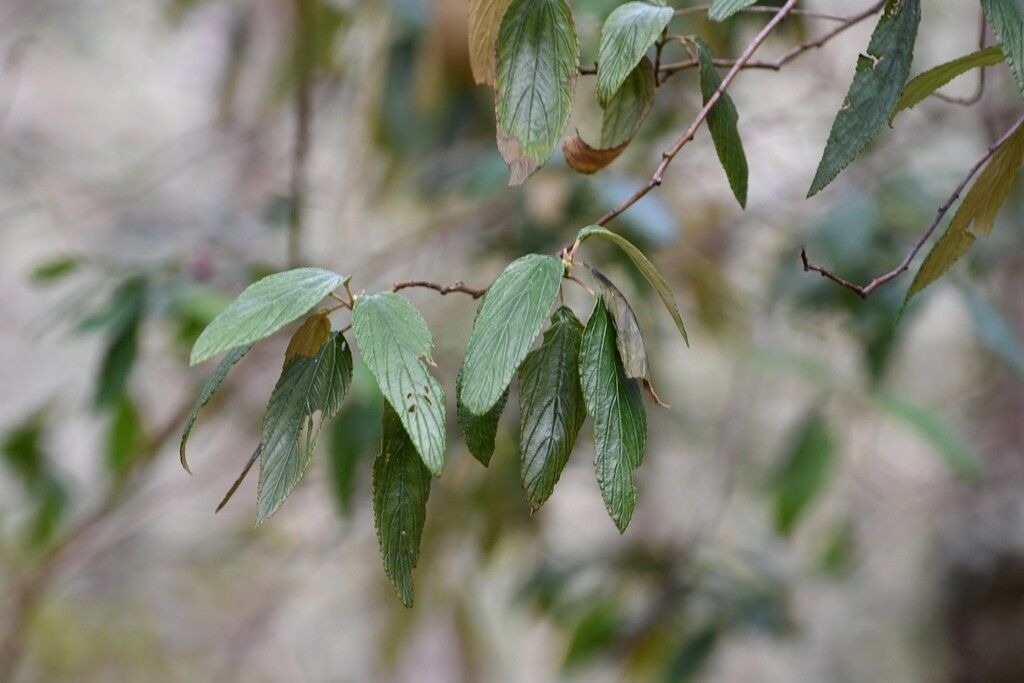
Oh, Ceanothus! If you’ve ever had the pleasure of seeing a mature California Lilac in full bloom, you know exactly why we’re talking about it today. Those clouds of brilliant blue flowers are just pure garden joy. And the best part? You can bring that magic into your own garden by propagating them! It’s a wonderfully rewarding process, and while Ceanothus can be a tad particular, with a little know-how, you’ll be well on your way to success. Don’t let that scare you – we’ll get through it together.
The Best Time to Start
For Ceanothus, late spring to early summer is your golden window. This is when the plant is actively growing, and you’ll be taking semi-ripe cuttings. Think of it as capturing that youthful energy. You’re looking for stems that are still a bit flexible but have started to firm up after the main flush of growth.
Supplies You’ll Need
Here’s what I always have on hand:
- Sharp, clean pruning shears or a sharp knife: Cleanliness is key to prevent disease.
- Rooting hormone: A powder or gel works wonderfully to give your cuttings a head start.
- A well-draining potting mix: I like a mix of perlite, peat moss, and a bit of compost. You want it airy!
- Small pots or seed trays: Clean ones, of course!
- A plastic bag or propagator: To create a humid microclimate.
- Gravel or perlite: For the bottom of your pots if you’re worried about drainage.
Propagation Methods: Stem Cuttings
This is my go-to method for Ceanothus, and it works like a charm.
- Take Your Cuttings: On a non-rainy day, select healthy, non-flowering shoots. Cut a stem that’s about 4-6 inches long. Make your cut just below a leaf node (where a leaf meets the stem). This is where the magic happens – it’s rich in rooting hormones.
- Prepare the Cuttings: Gently remove the lower leaves, leaving just a few at the tip. This prevents them from rotting in the soil and reduces moisture loss.
- Dip in Rooting Hormone: Lightly dip the cut end of each cutting into your rooting hormone. Tap off any excess.
- Pot Them Up: Fill your clean pots with your well-draining potting mix. Poke a hole in the center of the soil with a pencil or your finger.
- Insert the Cuttings: Place one cutting into each hole, making sure the leaf nodes are below the soil surface. Gently firm the soil around them.
- Water Gently: Water thoroughly until water drains from the bottom.
- Create Humidity: Place the pots into a plastic bag or a propagator. This creates a humid environment that helps the cuttings stay hydrated while they develop roots. You can secure the bag with a rubber band around the pot.
The “Secret Sauce”
Here are a couple of things I’ve learned over the years that really make a difference:
- Don’t let those lower leaves touch the water: If you’re doing water propagation (which I find a bit trickier for Ceanothus, but some swear by it!), make sure the leaves aren’t submerged. They’ll rot instantly and drag your cutting down with them. Stick to stem cuttings for better odds!
- Bottom heat is your friend: If you have a heated propagator or can place your pots on a gentle heat mat, this can significantly speed up rooting. It mimics the warmth of spring and encourages those roots to form much faster.
Aftercare & Troubleshooting
Once your cuttings are potted, find them a bright spot out of direct sun. Keep the soil consistently moist but not waterlogged. You should start to see tiny roots developing within a few weeks to a couple of months. You can gently tug on a cutting – if there’s resistance, you’ve got roots!
The most common culprit for failure is rot. If your cuttings turn mushy or black, it’s usually a sign of too much moisture and not enough air circulation. Don’t be discouraged if you lose a few – it’s part of the learning curve! Just try again, ensuring your soil is extra well-draining and you’re not overwatering.
And there you have it! Propagating Ceanothus is a journey, and it’s all about patience and observation. Enjoy the process, celebrate each success, and before you know it, you’ll have more of those beautiful blue blooms to admire. Happy gardening!
Resource:
https://identify.plantnet.org/k-world-flora/species/Ceanothus%20caeruleus%20Lag./data