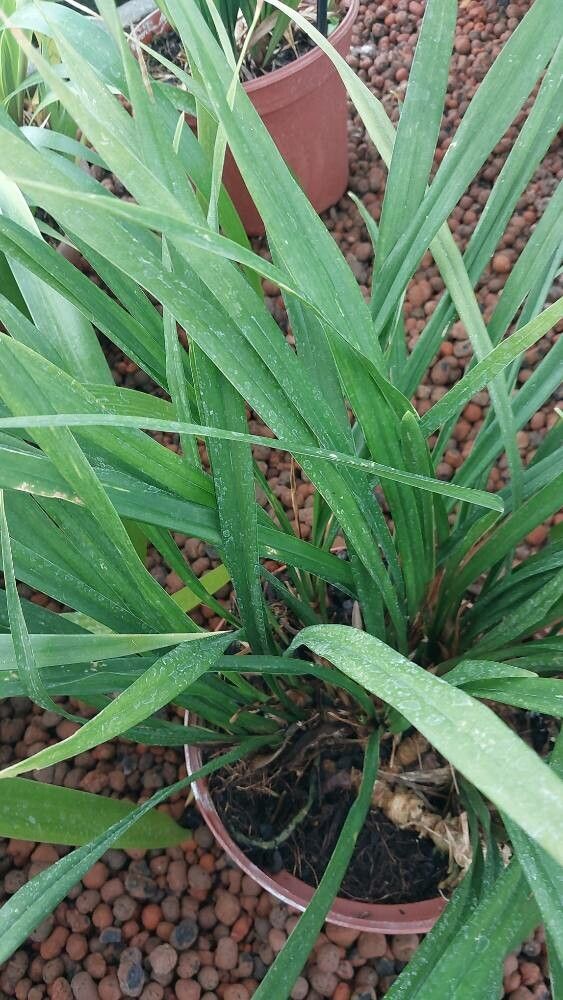
Hello there, fellow plant lovers! Today, we’re diving into the wonderful world of propagating Aspidistra caespitosa, often called the “Cast Iron Plant.” If you love plants that are tough as nails, unfussy, and bring a touch of lush jungle vibes to your home, you’re in for a treat. Propagating this beauty is surprisingly rewarding, letting you share its stoic charm with friends or simply fill your space with more of its elegance.
Now, is it a beginner-friendly plant to propagate? For the most part, yes! While some propagation methods require a bit more finesse, Aspidistra caespitosa is quite forgiving. It’s a plant that rewards patience with beautiful new growth.
The Best Time to Start
The absolute sweet spot for propagating Aspidistra caespitosa is during its active growing season. Think late spring through early summer. This is when the plant has the most energy to dedicate to developing new roots and shoots. You want to see vigorous new leaf growth – that’s your signal that the plant is ready and willing to share!
Supplies You’ll Need
Gathering your tools beforehand makes the whole process so much smoother. Here’s what I always have on hand:
- Sharp Pruning Shears or a Clean Knife: For making clean cuts. Sterilize them with rubbing alcohol!
- Well-Draining Potting Mix: A good blend for me is a mix of peat moss, perlite, and a little bit of compost. You can often find specific mixes for houseplants or cuttings.
- Small Pots or Trays: For housing your new propagations. Make sure they have drainage holes.
- Rooting Hormone (Optional but Recommended): This can give your cuttings a helpful boost. I like the powder form.
- Clear Plastic Bags or Domes: To create a humid environment for your cuttings.
- Watering Can with a Fine Rose: For gentle watering.
- Labeling Stakes and a Marker: To keep track of what you’ve done and when!
Propagation Methods
Aspidistra caespitosa is most commonly and successfully propagated by division. This is essentially splitting a mature plant into smaller, independent sections.
Here’s how I do it:
- Gently Remove the Plant: Carefully take your Aspidistra out of its pot. If it’s been in there a while, you might need to loosen the edges with a trowel or knife. You can also try to slide it out.
- Inspect the Root Ball: Gently tease away some of the old soil to get a clear view of the rhizomes (thick, creeping stems that grow underground). You’re looking for natural divisions where new shoots and roots are already emerging.
- The Big Divide: Using your sharp pruning shears or a clean knife, carefully cut through the rhizomes and roots to separate sections. Aim for sections that have at least two to three healthy leaves and a good chunk of root. Don’t be shy, but also don’t be brutal! You want to make clean cuts.
- Potting Up Your New Babies: Fill your prepared pots with your well-draining potting mix. Make a little well in the center and place your divided section in it, ensuring the base of the leaves is at or just above soil level.
- Water and Settle: Water gently to settle the soil around the roots. Let any excess drain away.
While stem cuttings aren’t the primary method for Aspidistra caespitosa, it is possible to propagate from leaf cuttings, though success rates can be lower and it takes significantly longer. For leaf propagation:
- Select a Healthy Leaf: Choose a mature, healthy leaf.
- Make the Cut: Cut the leaf from the parent plant, making sure to get a bit of the rhizome attached if possible. Or, you can cut the leaf into sections, each with a bit of the petiole (the leaf stalk).
- Rooting Hormone (for Leaf Sections): Dip the cut end of your leaf sections into rooting hormone.
- Planting: Insert the cut end into your well-draining potting mix, about 1-2 inches deep.
- Create Humidity: Water gently and cover the pot with a plastic bag or dome to maintain high humidity.
The “Secret Sauce” (Pro Tips)
Over the years, I’ve picked up a few tricks that seem to help my Aspidistra propagations get a real head start:
- Don’t Overwater After Division: This is crucial! After dividing and repotting, the new divisions are prone to rot if the soil stays too wet. I water them in well, then let the soil dry out considerably between waterings for the first few weeks. They’ve got stored energy from the parent plant, so they can wait.
- Consider Bottom Heat: For leaf cuttings, or even divisions if your house is on the cooler side, placing the pots on a heating mat can significantly speed up root formation. It mimics the warmth of spring soil.
- Patience is King (and Queen!): Aspidistra grows slowly and steadily. Don’t expect instant results. You might not see new leaf growth for several weeks, or even a couple of months. Resist the urge to constantly check or disturb them! Trust the process.
Aftercare & Troubleshooting
Once your new Aspidistra divisions show signs of new growth (a new leaf unfurling is the best indicator!), you can begin treating them like a happy, young plant. Keep the soil moist but not waterlogged. Gradually reintroduce them to their preferred light conditions – typically bright, indirect light.
The most common issue you’ll face is rot. This usually happens due to overwatering, especially when the plant is still establishing its roots. Signs include mushy, yellowing leaves or a foul smell from the soil. If you see this, act quickly. Gently remove the affected parts, allow the remaining root system to air out a bit, and repot in fresh, dry soil. If it’s too far gone, unfortunately, you may have to start again.
Another sign of trouble is wilting leaves. This could be underwatering, but also stress from being moved or shock from the division. Again, check the soil moisture and try to avoid drastic changes in environment.
A Little Encouragement
Propagating plants is a journey, and Aspidistra caespitosa is a wonderful companion on that path. It teaches us about resilience and patient growth. So, gather your supplies, choose the right moment, and dive in! Don’t be discouraged if your first attempt isn’t perfect. Every gardener learns by doing. Enjoy the process, and soon you’ll be sharing your own tough-as-nails Aspidistra babies with everyone you know! Happy propagating!
Resource:
https://identify.plantnet.org/k-world-flora/species/Aspidistra%20caespitosa%20C.Pei/data