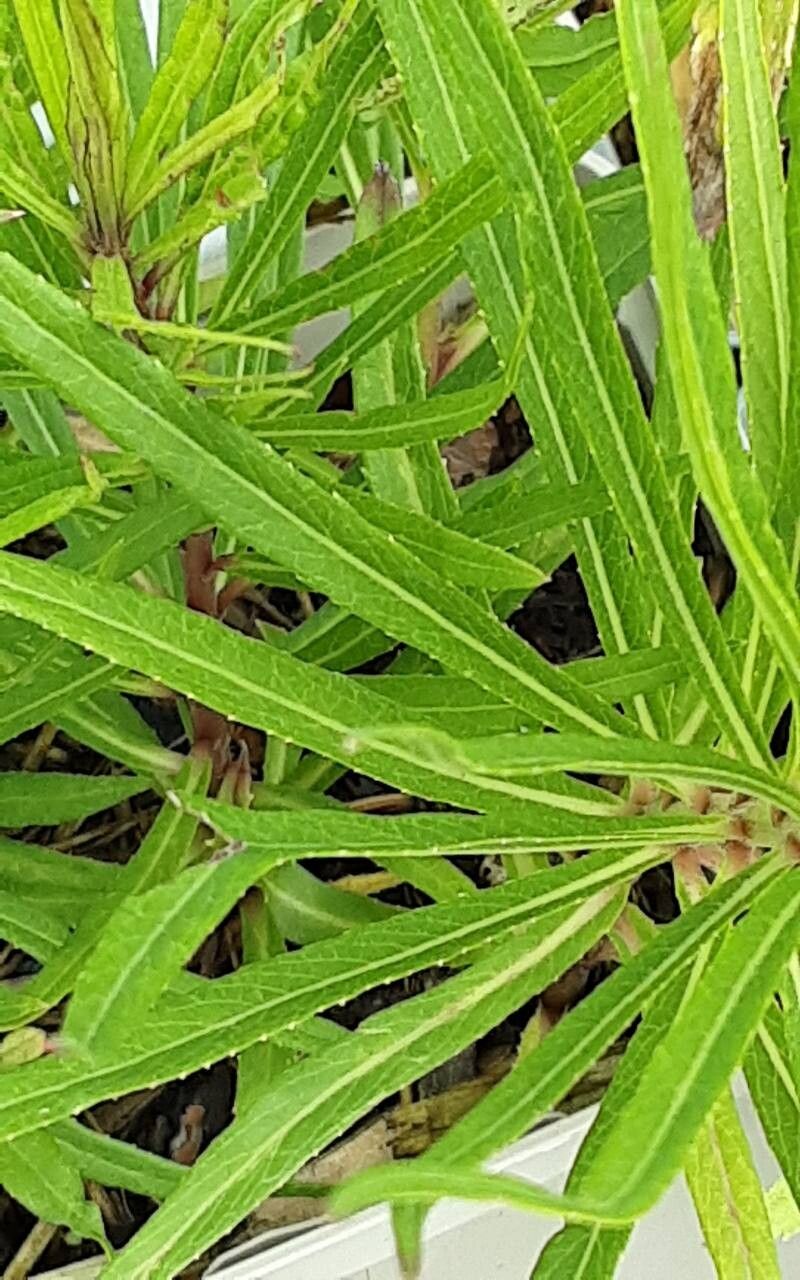
Hello fellow garden enthusiasts! Today, we’re diving into the wonderful world of propagating Vernonia lettermannii, also known as Ironweed. If you’ve ever admired its stunning display of delicate, airy purple flowers that seem to shimmer in the late summer sun, you know why it’s a garden showstopper. And guess what? You can easily fill your garden with more of this beauty!
Propagating Vernonia lettermannii is a truly rewarding experience. There’s a special kind of magic in watching a tiny bit of plant life transform into a thriving specimen. For beginners, I’d say this plant is moderately easy to propagate. It’s not as finicky as some, but like any gardening adventure, a little know-how goes a long way.
The Best Time to Start
The sweet spot for propagating Vernonia lettermannii is the late spring to early summer. This is when the plant is actively growing and producing plenty of new, flexible stems. Look for stems that are about 4-6 inches long and still have a bit of give to them – not woody and old, but not so soft they snap easily. This is prime grafting material, so to speak.
Supplies You’ll Need
Gathering your tools before you begin makes the whole process smoother. Here’s what you’ll want on hand:
- Sharp, clean pruning shears or a sharp knife: A clean cut is a happy cut for plants.
- Rooting hormone (optional but recommended): This gives your cuttings a little boost.
- Small pots or cell trays: For your new little babies.
- Well-draining potting mix: A mix designed for cuttings or a blend of peat, perlite, and a bit of compost works wonders.
- Clear plastic bags or a propagator: To create a humid environment.
- Watering can or spray bottle: For gentle watering.
- Labels and a marker: To keep track of what you’ve planted (trust me, it’s easy to forget!).
Propagation Methods
My favorite way to multiply Vernonia lettermannii is through stem cuttings. It’s quite straightforward and usually yields great results.
- Take Your Cuttings: Gently snap or cut 4-6 inch long, non-flowering stems from a healthy parent plant. Aim for stems that are a bit bendy, not stiff. Make your cuts just below a leaf node (where a leaf attaches to the stem).
- Prepare the Cuttings: Remove the lower leaves from the cutting, leaving just the top two or three leaves intact. This prevents them from rotting in the soil and reduces moisture loss.
- Apply Rooting Hormone (Optional): If you’re using rooting hormone, dip the cut end of the stem into the powder, tapping off any excess.
- Plant Your Cuttings: Fill your pots or trays with your well-draining potting mix. Make a small hole in the center of each pot with your finger or a pencil. Insert the prepared cuttings into the holes, making sure the leaf nodes are buried. Gently firm the soil around them. Ideally, you’ll have two to three cuttings per small pot, spaced an inch or two apart.
- Water Gently: Water the soil thoroughly but gently. You want it moist, not soggy.
- Create Humidity: Cover the pots with clear plastic bags, creating a mini-greenhouse. You can use stakes to keep the plastic from touching the leaves. Alternatively, place them in a propagator.
Another option, if you have a mature plant that’s ready for a trim, is division.
- Dig Up the Plant: In early spring, before new growth really takes off, carefully dig up the entire plant.
- Divide the Roots: Gently tease apart the root ball using your hands or a small trowel. You’re looking to separate sections of the plant, each with its own roots and shoots.
- Replant: Replant the divisions in their new locations in your garden, or pot them up into individual containers as you would with new plants. Water them in well.
The “Secret Sauce” (Pro Tips)
Here are a couple of tricks that have served me well over the years:
- Bottom Heat is Your Friend: Not essential, but it makes a huge difference! Placing your pots on a heat mat designed for seedlings can significantly speed up root formation. It mimics the warmth of spring soil and gives those little roots the encouraging nudge they need.
- Don’t Let Those Leaves Drip: If you’re using the plastic bag method, make sure no leaves are touching the sides of the bag where condensation collects. If they do, they’re much more prone to developing rot. You can trim leaves slightly if needed.
Aftercare & Troubleshooting
Once your cuttings are planted, place them in a location with bright, indirect light. Avoid direct scorching sun, especially for the cuttings under plastic. Keep the soil consistently moist but never waterlogged. You can gently lift the plastic bag daily to allow for some air circulation; this also helps prevent fungal issues.
You’ll know your cuttings are rooting when you start to see new leaf growth and they feel a bit resistant when you gently tug on them. This usually takes anywhere from 2 to 6 weeks, depending on the conditions.
The most common problem you might encounter is rot. This usually happens if the soil is too wet or the humidity is too high without enough air circulation. If you see a cutting turn brown and mushy, unfortunately, it’s probably a goner. Don’t despair, just remove it and try again.
A Warm Encouragement
Propagating plants is a journey, and every gardener has their share of triumphs and learning moments. Be patient with your little Vernonia lettermannii cuttings, enjoy the process of nurturing them, and celebrate each tiny root that emerges. Soon, you’ll have more of these gorgeous purple plumes to share with friends or fill every sunny spot in your own garden. Happy propagating!
Resource: