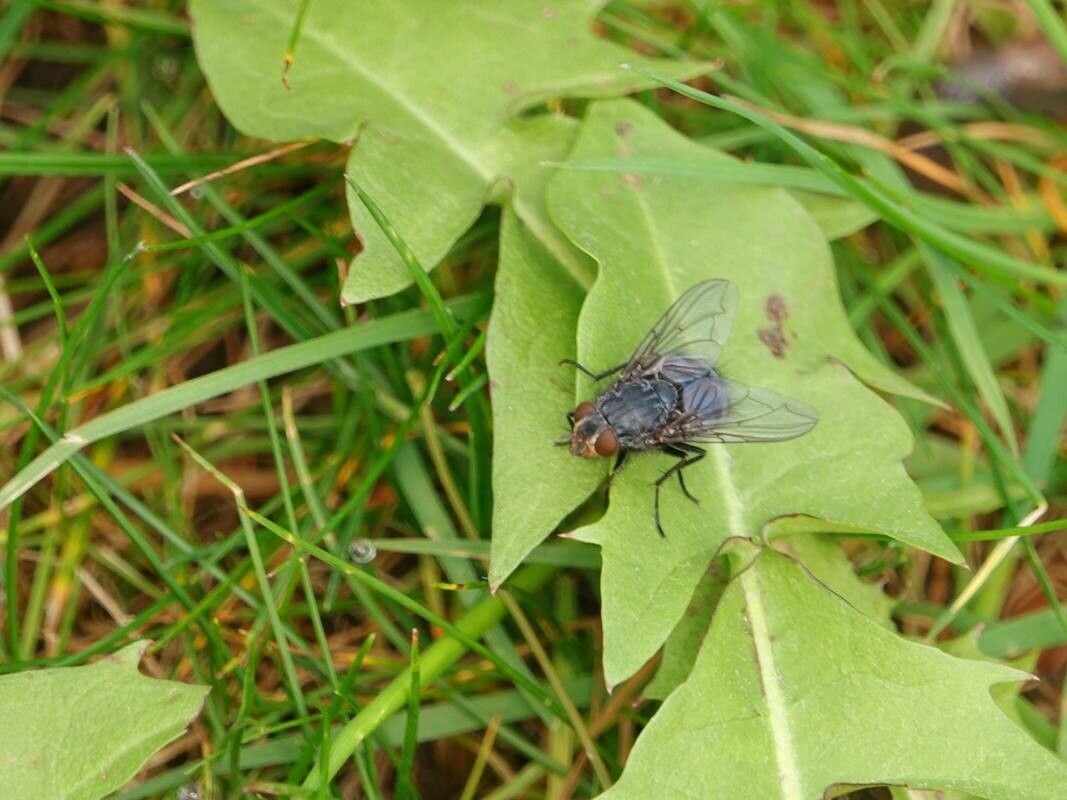
Oh, hello there, fellow plant enthusiast! I’m so glad you’ve stopped by. Today, we’re diving into the wonderfully rewarding world of propagating Taraxacum cucullatiforme. You know, those delightful dandelions with their charmingly ruffled leaves and bright yellow blooms? They’re more than just lawn ornaments, you see. They possess a certain wild beauty, a resilience that I find endlessly inspiring. And the best part? They’re surprisingly easy to share! If you’re new to the gardening game, this is a fantastic plant to start with. You’ll be amazed at how quickly you can grow your own little patch of sunshine.
The Best Time to Start
Picture this: the first blush of spring. That’s when Taraxacum cucullatiforme truly comes alive, and it’s the prime time to think about propagation. Aim for early spring, just as the plant is waking up from its winter slumber. You can also have success with late summer cuttings, but spring generally offers the most vigorous growth and highest success rates. Avoid propagating during the harsh heat of midsummer or when the plant is actively flowering and setting seed, as it will likely be under stress.
Supplies You’ll Need
Don’t worry, you likely have most of these things already in your shed or kitchen!
- Sharp pruning shears or a clean knife: For making clean cuts. Sterilize them with rubbing alcohol first, please!
- A well-draining seed-starting mix or a light potting soil: I often use a 50/50 blend of peat moss and perlite. It’s airy and prevents waterlogging.
- Small pots or trays: Yogurt cups with drainage holes poked in the bottom work wonderfully in a pinch.
- Rooting hormone (optional but helpful): This little packet of magic can speed things up.
- A spray bottle: For gentle misting.
- A plastic bag or a clear plastic lid: To create a mini-greenhouse effect.
- Labels and a marker: Trust me, you’ll forget what you planted and when!
Propagation Methods
We’ll focus on the simplest and most effective ways to multiply your Taraxacum cucullatiforme.
Division: The Easiest Route
This is my go-to method, especially in early spring.
- Gently excavate: Carefully dig up the entire plant, trying to keep as much of the root system intact as possible.
- Assess the root ball: Look for natural divisions in the root system, often where new crowns have formed.
- Divide and conquer: Using your hands or a trowel, gently pull the root ball apart into smaller sections. Each section should have at least one healthy bud or crown and a good portion of roots. If you have very tough roots, a clean knife can help, but try to avoid cutting through the roots if possible.
- Replant: Immediately plant each division into its own pot filled with your prepared soil mix. Water them in gently.
Stem Cuttings: A Bit More Patience
This method works well if you’ve got a healthy, leafy plant going.
- Take cuttings: In early spring or late summer, select a healthy, non-flowering stem. Make a clean cut just below a leaf node (where a leaf attaches to the stem). You’re aiming for cuttings that are about 4-6 inches long and have at least two leaf nodes.
- Prepare the cutting: Remove the lower leaves, leaving just a couple at the top. This helps prevent rot.
- Apply rooting hormone (if using): Dip the cut end of the stem into your rooting hormone, tapping off any excess.
- Plant the cuttings: Make a small hole in your potting mix with a pencil or your finger. Insert the cutting so that at least one leaf node is buried in the soil. Gently firm the soil around it.
- Create a humid environment: Mist the cuttings generously with your spray bottle. Then, cover the pot or tray with a plastic bag or clear lid to trap humidity.
The “Secret Sauce” (Pro Tips)
Here are a few little tricks I’ve learned over the years that can make a big difference.
- Don’t let the leaves touch the water (for cuttings): If you’re trying water propagation (which I find a bit trickier for this plant than soil), make sure the leaves are well above the water line. Waterlogged leaves will just rot. With soil cuttings, this is less of an issue, but it’s still good practice to trim away excessive foliage.
- Bottom heat is your friend: For stem cuttings, placing your pots on a seedling heat mat can significantly speed up root development. It mimics the warmth of spring and encourages those roots to get going. Just a gentle warmth is fine – you don’t want to cook your little cuttings!
- Patience is paramount: Taraxacum cucullatiforme might be a strong grower, but give it time. Don’t be discouraged if you don’t see results for a few weeks.
Aftercare & Troubleshooting
Once your divisions are planted or your cuttings have rooted (you’ll see new growth appearing or feel some resistance when you gently tug on the cutting), it’s time for a little tender loving care.
- Watering: Keep the soil consistently moist but not waterlogged. Water from the bottom if you can, allowing the soil to soak up what it needs. This encourages deeper root growth and minimizes the risk of fungal diseases.
- Light: Place your new plants in a bright spot with indirect sunlight. Direct sun can be too harsh for these young shoots.
- Removing the humidity cover: Once you see consistent new growth on your stem cuttings, gradually introduce them to normal air by opening the bag or lid for increasingly longer periods each day.
- Signs of trouble: The most common culprit for failure is rot. If you see mushy, dark stems or leaves, it’s usually a sign of overwatering or poor drainage. If this happens, don’t panic. You might be able to salvage a healthy section of the stem or a piece of the root and try again. Ensure your soil drains well and your pots have drainage holes.
A Little Nurturing Goes a Long Way
There you have it! Propagating Taraxacum cucullatiforme is a beautifully simple way to fill your garden with these cheerful plants. Remember, gardening is a journey, not a race. Be patient with your little green babies, enjoy the process of nurturing them, and before you know it, you’ll have a whole host of these lovely dandelions to admire. Happy propagating!
Resource:
https://identify.plantnet.org/k-world-flora/species/Taraxacum%20cucullatiforme%20Soest/data