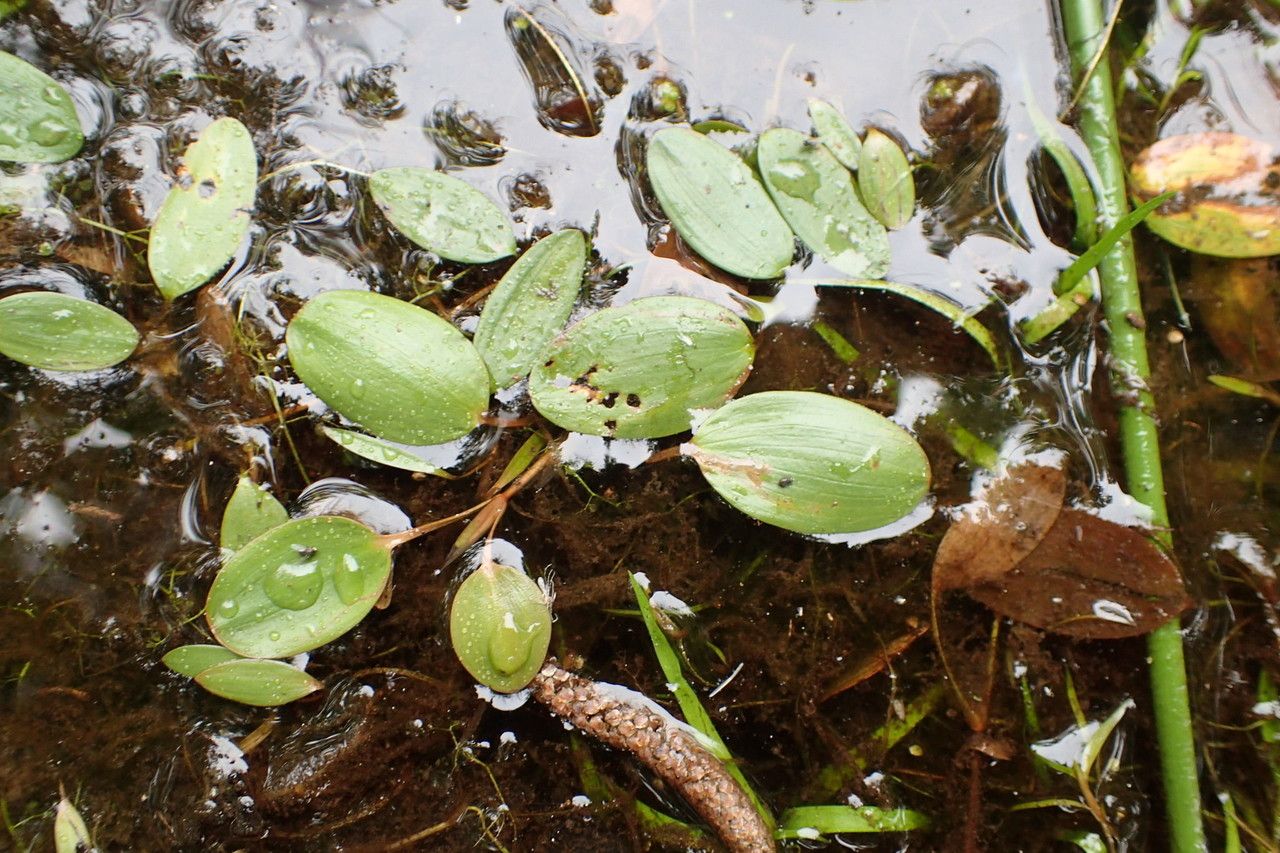
Ah, Potamogeton diversifolius! If you’re looking for a bit of aquatic charm for your pond or water garden, this little guy is a real winner. It’s got this lovely, delicate look with its varying leaf shapes – some long and ribbon-like, others more rounded and floating. Watching it thrive and then sharing that success by propagating it yourself? That’s pure gardening joy.
Now, is it a breeze for a beginner? Honestly, I’d say it’s moderately easy. It’s not as fuss-free as some terrestrial plants, but with a little attention, you’ll be enjoying new specimens before you know it.
The Best Time to Start
For Potamogeton diversifolius, the sweet spot is late spring to early summer. This is when the plant is actively growing, buzzing with energy. You’ll likely see new shoots appearing, which are perfect candidates for propagation. Waiting until the water is a bit warmer also helps things get off to a good start. Avoid propagating in the dead of winter or when the plant is looking a bit tired.
Supplies You’ll Need
Here’s what you should have on hand:
- Sharp, clean scissors or pruning shears: For taking cuttings without damaging the parent plant.
- Containers: Small pots filled with aquatic planting substrate (often a gravelly, clay-based mix) or even just clean jars for water propagation.
- Aquatic planting substrate (optional but recommended): If you’re potting up cuttings directly.
- Rooting hormone (optional): A powdered or gel form can give cuttings a helpful boost.
- Gloves: To keep your hands clean, especially if you’re working with pond water.
- A small trowel or spoon: For handling substrate.
Propagation Methods
Potamogeton diversifolius is a trooper and can be propagated in a couple of straightforward ways.
Stem Cuttings
This is my go-to method for Potamogeton diversifolius.
- Locate healthy stems: Look for stems that have developed new leaves and are at least 4-6 inches long.
- Make clean cuts: Using your sharp scissors, cut just below a node (where a leaf meets the stem). You want to take cuttings that have at least a few leaves and a good length of stem.
- Prepare the cutting: Gently remove any leaves that would be submerged if you were to put the cutting directly into water or substrate. This prevents them from rotting.
- Rooting (your choice):
- Water Propagation: Place the prepared cuttings in a clean jar of aquatic plant fertilizer water or dechlorinated tap water. Make sure the nodes are submerged but the remaining leaves are above the water’s surface. Place the jar in bright, indirect light.
- Substrate Planting: You can also plant these cuttings directly into small pots filled with your aquatic substrate. Gently push the cut end into the substrate, ensuring the node is covered.
Division
If your Potamogeton diversifolius has grown into a dense clump, division is a fantastic option.
- Gently remove the clump: Carefully lift the entire plant from its pot or substrate.
- Gently tease apart: Separate the plant into smaller sections. Look for natural divisions where the roots are already somewhat separated.
- Trim if necessary: You can trim back any overly long roots or stems to make handling easier.
- Replant: Pot the divisions in new containers with substrate, or if your pond is suitable, you can plant them directly into the pond’s substrate.
The “Secret Sauce” (Pro Tips)
Here are a few things I’ve learned over the years that make a difference:
- Don’t let the leaves touch the water (in water propagation): I know I mentioned it above, but it’s so important! Submerged leaves are a prime spot for rot, and rot is the enemy of new cuttings. Keep them clear.
- Consider airflow: While Potamogeton diversifolius loves water, a little bit of air circulation around your cuttings (especially in water propagation) can prevent fungal issues. Don’t keep them in a completely stagnant, enclosed space.
- Patience is key with substrate: If you’re potting directly into substrate, don’t be tempted to dig them up too early to check for roots. Give them time; they’re a bit more subtle about rooting than some terrestrial plants. Think weeks, not days.
Aftercare & Troubleshooting
Once you see new leaf growth or the sign of tiny roots peeking out, you know you’re on the right track!
- For water propagation: Once the cuttings have a good root system (an inch or two long), you can carefully transplant them into pots with aquatic substrate.
- For substrate planting: Keep the substrate consistently moist (it is an aquatic plant, after all!). If you’re unsure if it’s moist enough, err on the side of more water.
- Introduce to pond: When your new plants are well-established and showing healthy growth, you can introduce them to your pond. Gradually acclimate them to the pond’s conditions if they’ve been growing in a different environment.
The most common issue you might encounter is rot. If a cutting turns mushy and dark, it’s probably gone south. This is usually a sign of too much stagnant water, lack of light, or that dreaded submerged leaf. Don’t despair if a few fail; it happens to all of us! Just try again with a fresh cutting.
A Encouraging Closing
Propagating Potamogeton diversifolius is a wonderful way to expand your aquatic garden and share the beauty of this plant. Be patient with the process, observe your cuttings closely, and celebrate every little sign of new growth. Before you know it, you’ll have a whole new collection of these delightful water plants, and the satisfaction of growing them yourself is truly unmatched. Happy propagating!
Resource:
https://identify.plantnet.org/k-world-flora/species/Potamogeton%20diversifolius%20Raf./data