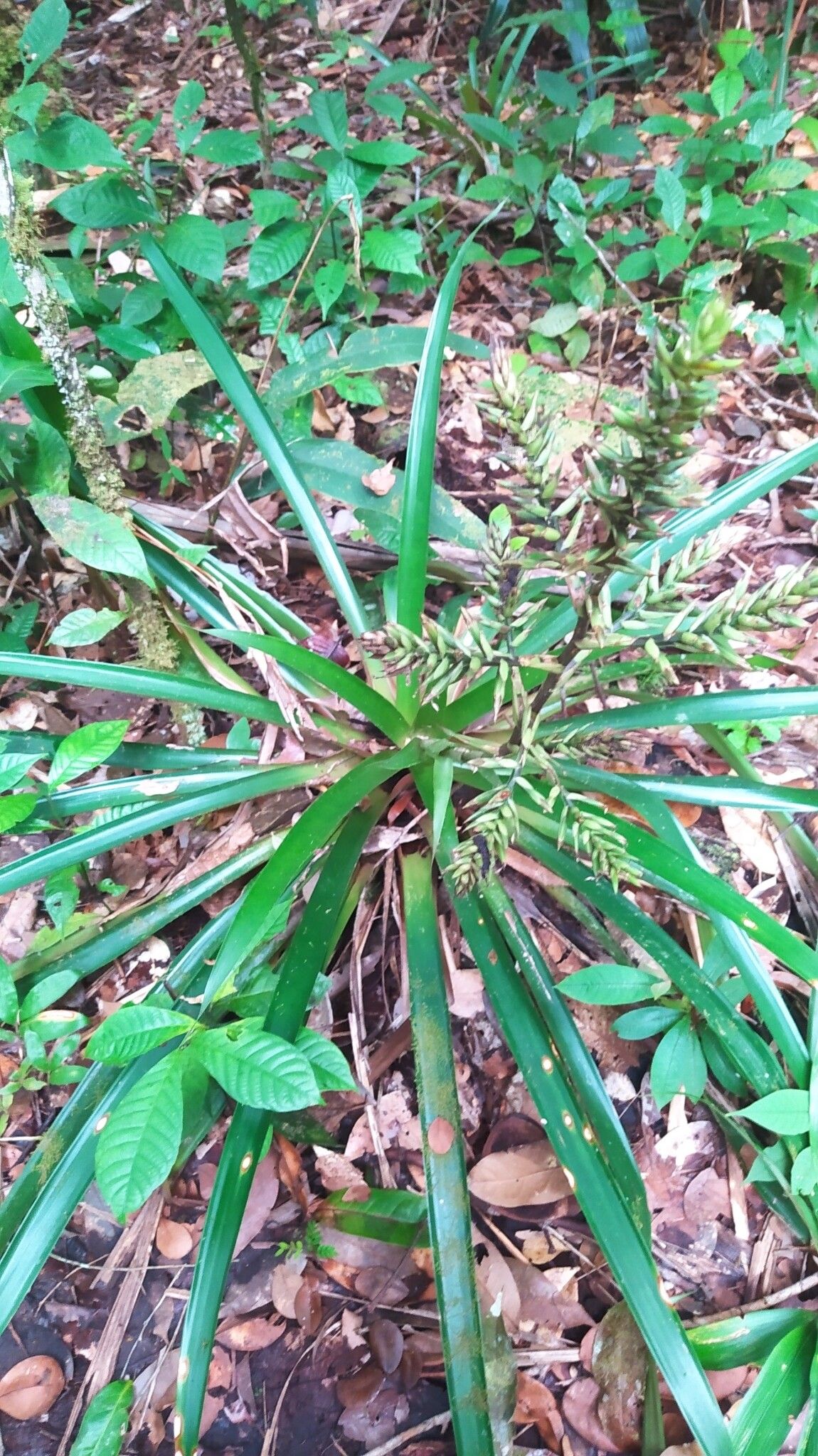
Hello there, fellow plant enthusiasts! Today, I want to chat about a plant that truly brings a splash of tropical joy into our homes: the Guzmania. With their vibrant bracts and elegant form, Guzmania bromeliads are absolute showstoppers. And let me tell you, the satisfaction of propagating your own is immense! It’s like nurturing a little piece of your original beauty into existence. For those wondering if this is a beginner-friendly endeavor, I’d say it’s moderately easy. It requires a bit of patience and understanding, but the rewards are well worth the effort.
When to Get Your Hands Dirty
The stars align for Guzmania propagation when the mother plant is actively producing those wonderful pups, or baby plants, that sprout from the base. This usually happens after the main bloom has faded, and the plant is channeling its energy into reproduction. I’ve found the spring and early summer to be the most productive times. The warmer temperatures and increasing daylight really give those new little ones a good boost.
Your Propagation Toolkit
Before we dive in, let’s make sure you have everything ready. Having your supplies at the ready makes the whole process so much smoother.
- Sharp, sterile pruning shears or a clean knife: A clean cut is crucial to prevent disease. Even a quick wipe with rubbing alcohol does wonders.
- Potting mix: I prefer a well-draining bromeliad mix or a blend of equal parts peat moss, perlite, and orchid bark. Something that doesn’t hold onto too much moisture.
- Small pots or containers: These don’t need to be large, as the pups are small. Yogurt cups with drainage holes work perfectly in a pinch!
- Rooting hormone (optional but helpful): A little dip can encourage faster root development.
- Watering can with a fine rose: Gentle watering is key.
- A good spray bottle: For maintaining humidity around those delicate new beginnings.
- Clear plastic bags or a small propagation dome: To create a humid environment.
Bringing New Guzmania to Life
Guzmania plants typically propagate through a method called division, which is essentially separating the pups from the mother plant. Here’s how I do it:
- Assess Your Mother Plant: Look for pups that are at least one-third the size of the mother plant, or have developed a good root system of their own. You’ll often see them emerging from the base, nestled close to where the leaves meet the soil.
- Gently Remove from Pot: Carefully take the mother plant out of its pot. If it’s stuck, I sometimes tap the sides of the pot or gently tug on the outer leaves to loosen it.
- Locate the Connection: Examine where the pup is attached to the mother plant. You’ll want to make a clean cut as close to the mother plant as possible, ensuring you capture as many of the pup’s roots as you can. Use your sterile pruning shears or knife for this.
- Prepare the Pup: If the pup has any dead or damaged leaves, carefully trim them away. This helps prevent rot.
- Potting Up: Plant the pup in its own small pot filled with your prepared potting mix. Don’t bury it too deep; the base of the leaves should be right at the soil surface.
- Watering Gently: Water the newly potted pup lightly. You want the soil to be moist, but not waterlogged.
- Create a Humid Environment: This is where the magic happens! Place the potted pup inside a clear plastic bag, sealing it loosely, or cover it with a propagation dome. This creates a greenhouse effect. Place it in bright, indirect light.
My Little “Secret Sauce”
Over the years, I’ve learned a few tricks that really boost success.
- First, and this is a big one: don’t let the water sit in the central cup of the pup if you’re using that method for cleaning it up. While bromeliads are known for holding water, a newly separated pup can be susceptible to rot in its cut end or at the base if it stays too wet. A quick rinse and thorough drying is often best.
- When I’m potting up pups that seem a bit hesitant, I’ll often introduce a little bottom heat. Placing the pots on a seedling heat mat can really encourage root formation. It mimics that lovely warmth found in their native tropical environment.
Nurturing Your New Arrival and What to Watch For
Once your pup is nestled in its new home and feeling cozy under its plastic cover, keep the soil consistently moist but never soggy. Mist the leaves lightly every few days to maintain that humidity. You should start to see signs of new growth, like fresh leaves emerging from the center, within a few weeks to a couple of months.
The biggest challenge you might face is rot, which usually shows up as a mushy, brown base. This is a sign of too much moisture. If you see this, act quickly. Gently remove the affected pup, trim away all the rotted bits, and repot in fresh, dry mix. Sometimes, a little bit of fungicide can help if rot is persistent, but usually, adjusting your watering is the immediate fix.
So there you have it! Propagating Guzmania brasiliensis is a wonderfully hands-on way to multiply these stunning plants. Be patient, enjoy the process of watching your new babies establish themselves, and soon you’ll have a whole collection of these tropical beauties to admire. Happy growing!
Resource:
https://identify.plantnet.org/k-world-flora/species/Guzmania%20brasiliensis%20Ule/data