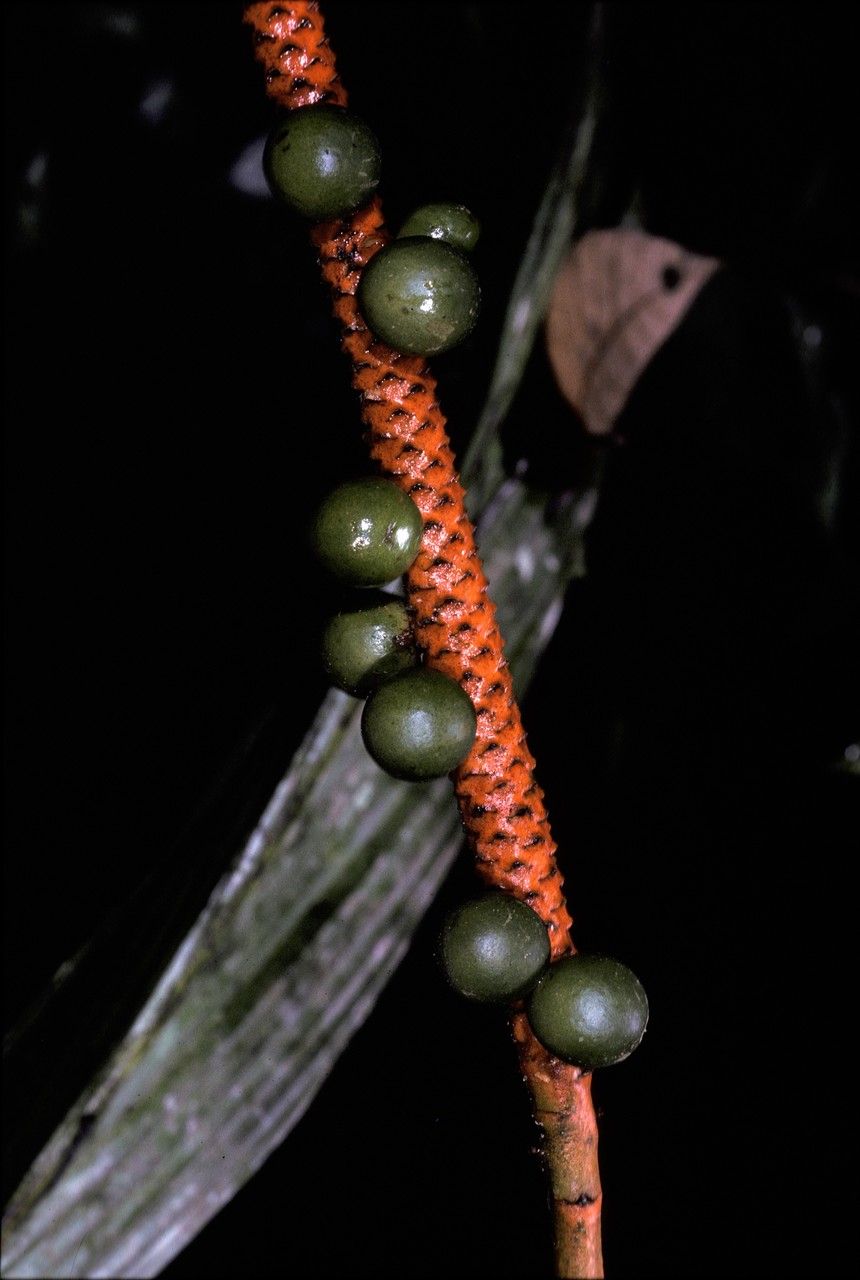
Hello, fellow plant lovers! Today, we’re diving into the wonderful world of palm propagation, specifically with the gorgeous Geonoma oldemanii. If you’re drawn to its elegant, arching fronds and lush, tropical vibe, you’re in for a treat. Growing new life from your existing plants is one of the most rewarding parts of gardening, and while Geonoma oldemanii can be a little particular, it’s absolutely achievable with a bit of know-how! It’s not a beginner’s “throw it in a pot and forget it” kind of plant for propagation, but with these steps, you’ll be well on your way.
The Best Time to Start
When it comes to giving your Geonoma oldemanii the best chance at successfully rooting, spring and early summer are your golden ticket. This is when the plant is naturally in its most active growth phase. The days are getting longer, temperatures are warming up, and your cuttings or divisions will have that extra energy boost to get those roots going. Trying to propagate when the plant is dormant in cooler months just doesn’t give it the best start.
Supplies You’ll Need
Before we get our hands dirty, let’s gather our essential toolkit. Having everything ready makes the process smooth and stress-free.
- Sharp, clean pruning shears or a knife: For making clean cuts. Sterilize them with rubbing alcohol to prevent disease.
- Well-draining potting mix: A good blend for palms usually involves peat moss, perlite, and orchid bark. You want something that doesn’t stay soggy.
- Small pots or trays: With drainage holes, of course!
- Rooting hormone (optional but recommended): Especially helpful for cuttings. A powder or gel will do.
- Clear plastic bags or a humidity dome: To create a humid microclimate.
- Spray bottle: For misting.
- Labels: To keep track of your propagated babies!
Propagation Methods
Geonoma oldemanii is most commonly propagated through division. While stem cuttings are possible for some palms, with this particular species, division is generally where you’ll find the most success and least stress.
Division
This method involves separating the main plant into smaller sections, each with its own root system and at least one shoot.
- Gently remove the parent plant from its pot. If it’s really stuck, a little squeeze around the sides of the pot might help, or you can even try slipping a knife around the edge.
- Examine the root ball. Look for natural separation points where new shoots are emerging from the base, complete with their own roots.
- Carefully tease apart the root ball. You can use your fingers for this, or if it’s a bit dense, a clean trowel or even your sterilized knife can help. The goal is to achieve separate divisions without causing too much damage to the existing roots. Each division should have at least one healthy stem and a decent chunk of root.
- Pot up your divisions. Use your well-draining potting mix in clean pots. Make sure the roots are spread out a bit and the plant is at the same depth it was before.
- Water thoroughly. Give each new pot a good soak to settle the soil around the roots.
The “Secret Sauce” (Pro Tips)
Now, for a few tricks I’ve picked up over the years that can really make a difference.
- Don’t overwater the divisions immediately. While they need moisture, giving them a deluge right after potting can encourage rot. Let the soil dry out slightly between the first couple of waterings. Your divisions are stressed, and we don’t want to add to that.
- Provide stable, gentle warmth. If you can, placing your newly potted divisions on a heat mat designed for seedlings can significantly speed up root development. Geonoma loves warmth, and this extra boost from below makes a big difference.
- Watch for wilting, but don’t panic. New divisions will often show some signs of stress, like a slight leaf droop. This is normal as they adjust to their new home and establish roots. Continue to keep the humidity up, and they usually perk up.
Aftercare & Troubleshooting
Once your Geonoma oldemanii divisions are potted, treat them like you would a young, delicate plant.
- Humidity is key. Keep the pots moist but not waterlogged. Misting the leaves regularly or using a humidity dome will help keep them turgid.
- Light requirements. Place them in bright, indirect light. Direct sun will scorch their new leaves.
- Patience is essential. It can take several weeks, sometimes even a couple of months, for new growth to appear, signaling that roots have taken hold. Resist the urge to repeatedly tug on the plant to check for roots – this only damages them!
Now, let’s talk about what can go wrong. The most common culprit is root rot. This happens when the soil stays too wet for too long, suffocating the roots. Signs include black, mushy roots, a foul odor from the soil, and rapidly yellowing or wilting leaves. If you suspect rot, you may need to carefully unpot the plant, trim away any affected roots, and repot in fresh, dry soil. Another issue is drying out, where leaves become crispy and brown, especially at the tips. This is where maintaining consistent moisture and humidity comes in.
Happy Propagating!
Taking cuttings or dividing plants can feel a bit daunting at first, but with Geonoma oldemanii, it’s a journey worth embarking on. Be patient, observe your new plants closely, and celebrate every little sign of success. There’s nothing quite like watching a tiny division transform into a thriving palm. Happy gardening, and may your propagation efforts be bountiful!
Resource:
https://identify.plantnet.org/k-world-flora/species/Geonoma%20oldemanii%20Granv./data