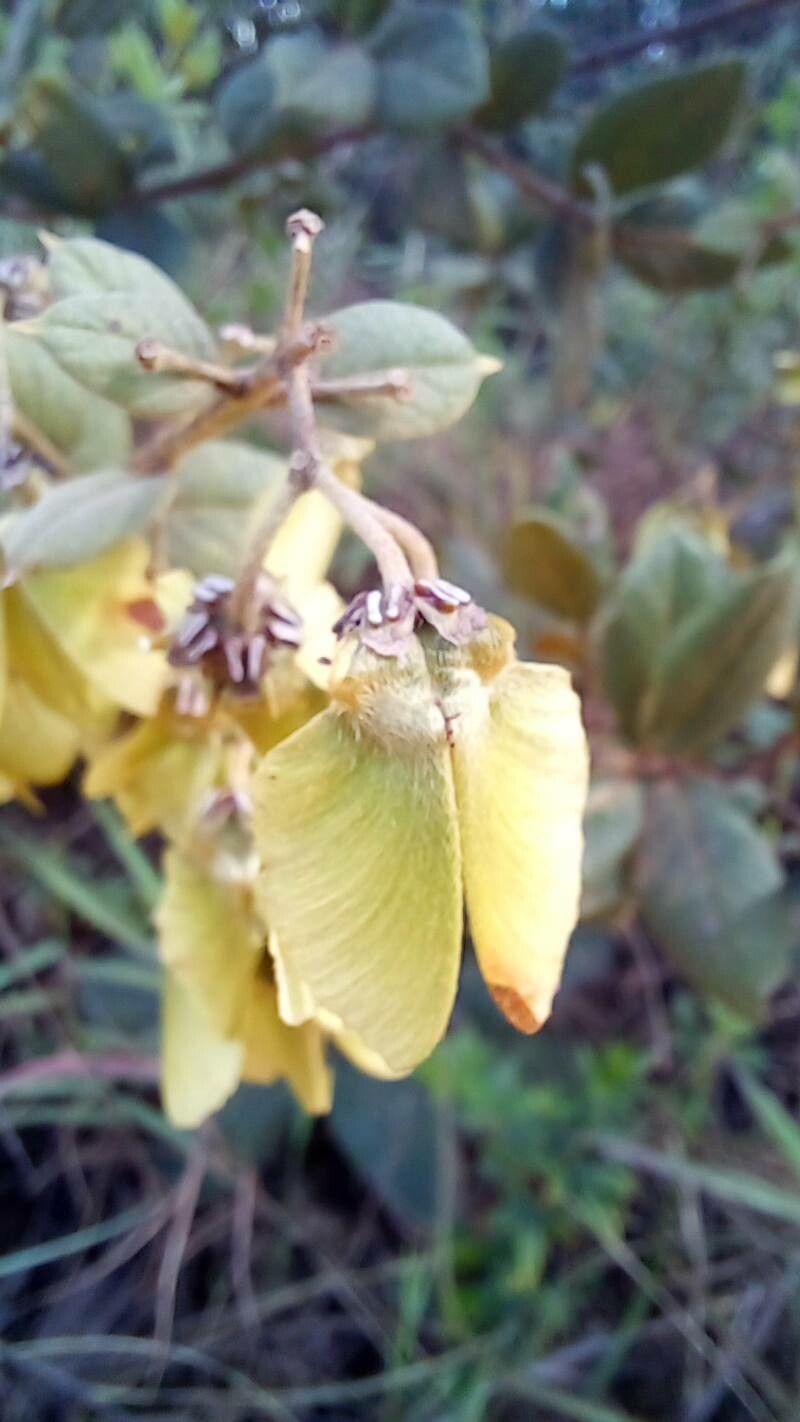
Hello, fellow plant lovers! I’m so excited to chat with you today about a truly stunning vine that’s captured my heart over the years: Banisteriopsis schizoptera. If you’ve ever seen its vibrant, orchid-like flowers cascading down a trellis or spilling from a hanging basket, you know exactly why it’s so special. Those beautiful blooms are a real showstopper, and propagating it yourself is incredibly rewarding. Now, if you’re just starting out in the plant world, I’ll be honest – Banisteriopsis schizoptera can be a little fussy. It’s not quite a “set it and forget it” kind of plant. But with a little patience and the right approach, you can absolutely succeed!
The Best Time to Start
For propagating stems, late spring or early summer, as new growth begins to emerge, is your golden window. The plant is actively growing then, and those tender new shoots have the best chance of rooting. Avoid trying to propagate when the plant is dormant; you’ll just be met with frustration.
Supplies You’ll Need
Here’s what you’ll want to gather before you get started:
- Sharp, clean pruning shears or a scalpel: For making clean cuts. We don’t want to invite any disease!
- Rooting hormone powder or gel: This is your best friend for encouraging root development.
- A well-draining potting mix: I like a blend of equal parts perlite, coco coir, and a good quality seedling starter mix. You want good aeration.
- Small pots or propagation trays: Clean is key!
- Clear plastic bags or a propagation dome: To maintain humidity.
- Water: For watering your cuttings.
- Labels and a marker: Trust me, you’ll thank yourself later.
Propagation Methods: Stem Cuttings
This is my go-to method for Banisteriopsis schizoptera. It’s straightforward and usually yields the best results.
- Take Your Cuttings: On a healthy, actively growing stem, look for a section that has at least two to three sets of leaves. Make a clean cut just below a leaf node (where the leaf attaches to the stem). You’re aiming for cuttings that are about 4-6 inches long. Remove the lower leaves, leaving the top two or three intact.
- Apply Rooting Hormone: Dip the cut end of each stem into your rooting hormone. Gently tap off any excess. This step is crucial for encouraging those roots to form more quickly.
- Plant Your Cuttings: Fill your small pots or trays with your prepared potting mix. Make a small hole with your finger or a pencil, and carefully insert the cut end of the stem. Gently firm the soil around the base.
- Water Gently: Water the soil thoroughly but gently. You don’t want to dislodge your cuttings.
- Create a Humid Environment: Cover the pots with clear plastic bags or place them under a propagation dome. This creates a mini-greenhouse effect, keeping the humidity high, which is vital for cuttings that don’t have roots yet. Make sure the leaves aren’t touching the plastic if possible to prevent rot.
- Provide Light and Warmth: Place the pots in a bright location with indirect sunlight. Avoid direct sun, which can scorch the delicate cuttings. Some gentle warmth from a heat mat from below can really speed things up.
The “Secret Sauce” (Pro Tips)
Here are a couple of tricks I’ve learned over the years that can really boost your success with these beautiful vines:
- Don’t Over-Water! This is probably the biggest mistake people make. You want the soil to be consistently moist, not soggy. Soggy soil is a fast track to rot, and nobody wants that. I often lift the pots to feel the weight – if they feel light, it’s time for a gentle watering.
- The “Shake Test”: After about 4-6 weeks, gently tug on a cutting. If there’s resistance, congratulations! You’ve got roots. If it comes out easily, give it more time and ensure the humidity is still good.
- Cleanliness is Paramount: I can’t stress this enough. Always use clean tools and clean pots. Cuttings are very susceptible to fungal infections and rot.
Aftercare & Troubleshooting
Once your cuttings have developed a good root system (you’ll see them peeking through drainage holes or feel that resistance in the “shake test”), it’s time to treat them like a small, precious plant.
- Slowly Acclimate: Gradually remove the plastic cover or open the dome over a few days to allow the plant to get used to normal room humidity.
- Watering: Continue to water when the top inch of soil feels dry.
- Light: Keep them in bright, indirect light. As they grow, they can tolerate a bit more direct sun, but always watch for signs of stress.
- Repotting: Once the plant has outgrown its small pot, you can move it to a slightly larger one with fresh potting mix.
The most common sign of failure is rot. If your cuttings turn black and mushy, it’s usually due to overwatering and lack of airflow. If you see this, sadly, it’s time to start again. Another sign might be yellowing leaves that then fall off; this can also indicate too much water, or sometimes not enough light.
Go Forth and Propagate!
Watching a new plant sprout from a tiny cutting is one of the most satisfying experiences in gardening. Be patient with your Banisteriopsis schizoptera cuttings. Sometimes they take their sweet time, and that’s okay! Enjoy the process, celebrate every tiny root you find, and before you know it, you’ll have your very own beautiful vine to admire – and maybe even share with a friend. Happy propagating!
Resource: