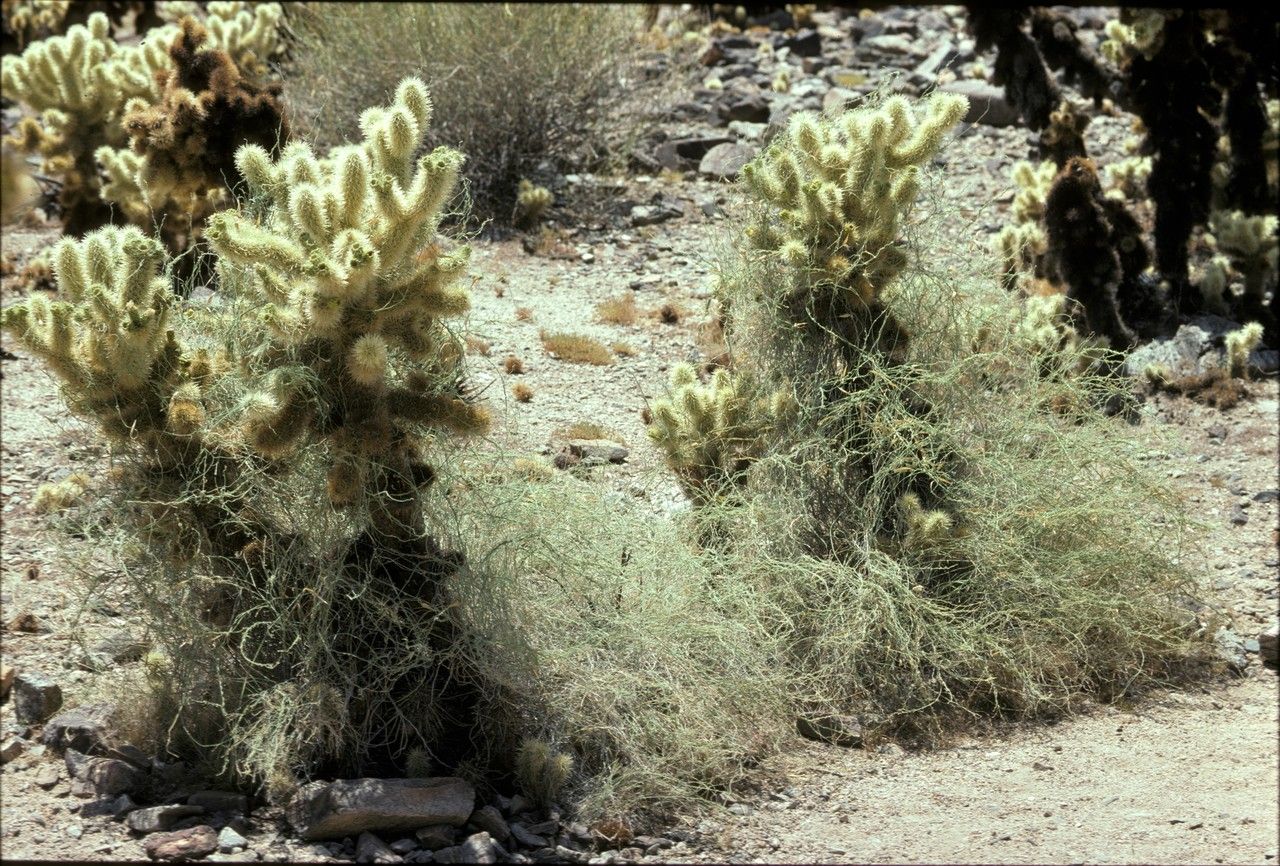
Hello, fellow garden enthusiasts! If you’ve ever marveled at the dusty, cerulean hues of Asclepias erosa, or desert milkweed, then you’re in for a treat. This tough beauty, with its delicate clusters of star-shaped flowers that attract a veritable buzzing symphony of pollinators, is a real gem for any arid or xeric garden. And the best part? It’s surprisingly rewarding to increase your collection of this stunning plant.
Now, I know some folks shy away from propagating, thinking it’s a tricky business reserved for the truly seasoned. But I promise you, with a little know-how and a dash of patience, Asclepias erosa is a plant that can truly make you feel like a propagation pro. It’s not the toughest plant to get started, but it does have its little quirks, which is exactly why I want to share my tried-and-true methods with you.
The Best Time to Start
For Asclepias erosa, my go-to time for propagation is late spring to early summer. This is when the plant is actively growing and has plenty of energy to put into forming new roots. You want to be taking cuttings from healthy, non-woody stems—think of the vibrant green shoots that are really showing some growth. Waiting until the plant has truly hit its stride in the warm season gives you the best chance for success.
Supplies You’ll Need
Before we get our hands dirty, let’s gather our essentials:
- Sharp Pruning Shears or a Clean Knife: For making clean cuts.
- Rooting Hormone (optional but helpful): A powder or gel that encourages root development.
- A Well-Draining Potting Mix: I swear by a blend of 50% perlite and 50% coir or peat moss. This stuff drains like a dream!
- Small Pots or Trays: For your cuttings. Make sure they have drainage holes.
- A Spray Bottle: For misting.
- A Sunny, Warm Location: But not scorching hot sun initially.
Propagation Methods
Let’s dive into how we can create more of these wonderful plants.
Stem Cuttings
This is my favorite method for Asclepias erosa.
- Take Your Cuttings: Using your clean shears, select healthy stems that are about 4-6 inches long. Make a cut just below a leaf node (where a leaf attaches to the stem). Remove the lower leaves, leaving just a couple at the top.
- Apply Rooting Hormone (if using): Dip the cut end of the stem into your rooting hormone powder or gel. Tap off any excess.
- Plant Your Cuttings: Make a small hole in your prepared potting mix and gently insert the cutting, ensuring the leaf node is buried. Firm the soil around it lightly.
- Water and Mist: Water the potting mix thoroughly until it’s evenly moist. Then, mist the leaves and the surface of the soil with your spray bottle.
- Provide Warmth and Light: Place your pots in a location that receives bright, indirect light. A warm spot is key, perhaps on a heat mat if you have one, or in a warm greenhouse.
Water Propagation (With a Caveat!)
While tempting, I find water propagation for Asclepias erosa can sometimes lead to rot if you’re not careful. If you do try it, follow these steps with extra vigilance:
- Take your cuttings as described above and remove all but the top set of leaves.
- Place the cuttings in a glass of clean water, ensuring no leaves touch the water. This is crucial!
- Change the water every couple of days to keep it fresh.
- Once you see good root formation (about an inch or so), carefully transplant them into your well-draining potting mix, treating them like your stem cuttings.
The “Secret Sauce” (Pro Tips)
Here are a few things I’ve learned over the years that make a big difference:
- The “Wound” Treatment: After taking a stem cutting, you might notice a milky sap coming from where you cut. Don’t worry about it too much, but letting the cutting sit for a day or two in a dry spot before planting can help the wound callous over a bit, reducing the risk of rot. It’s like giving it a little time to heal before it tries to start a new life.
- Bottom Heat is Your Friend: Asclepias erosa loves warmth for root development. If you have it, placing your pots on a seedling heat mat with a thermostat set around 70-75°F (21-24°C) will dramatically speed up root formation and improve your success rate. Don’t underestimate this!
Aftercare & Troubleshooting
Once you see signs of new growth – tiny leaves unfurling – that’s a good indication that roots have formed!
- Gradual Acclimation: For the first week or two, keep your new plants in a slightly shadier spot than where they’ve been rooting. Gradually introduce them to more sunlight.
- Watering: Water when the top inch of soil feels dry. Be careful not to overwater – this is the quickest way to invite root rot.
- Troubleshooting: The most common issue you’ll face is rot. If a cutting turns mushy and black, it’s likely succumbed to rot. This usually means too much moisture and not enough airflow. If you see this, remove the affected cutting immediately to prevent it from spreading. If your cuttings look wilted and dry, they might just need a gentle misting or a bit more water, but check that your mix is draining well first.
Starting new plants is such a fulfilling part of gardening. Be patient with your Asclepias erosa cuttings. Not every single one will make it, and that’s perfectly okay. Celebrate the successes, learn from the few that don’t, and enjoy the process of watching your new desert milkweed babies grow. Happy propagating!
Resource:
https://identify.plantnet.org/k-world-flora/species/Asclepias%20erosa%20Torr./data