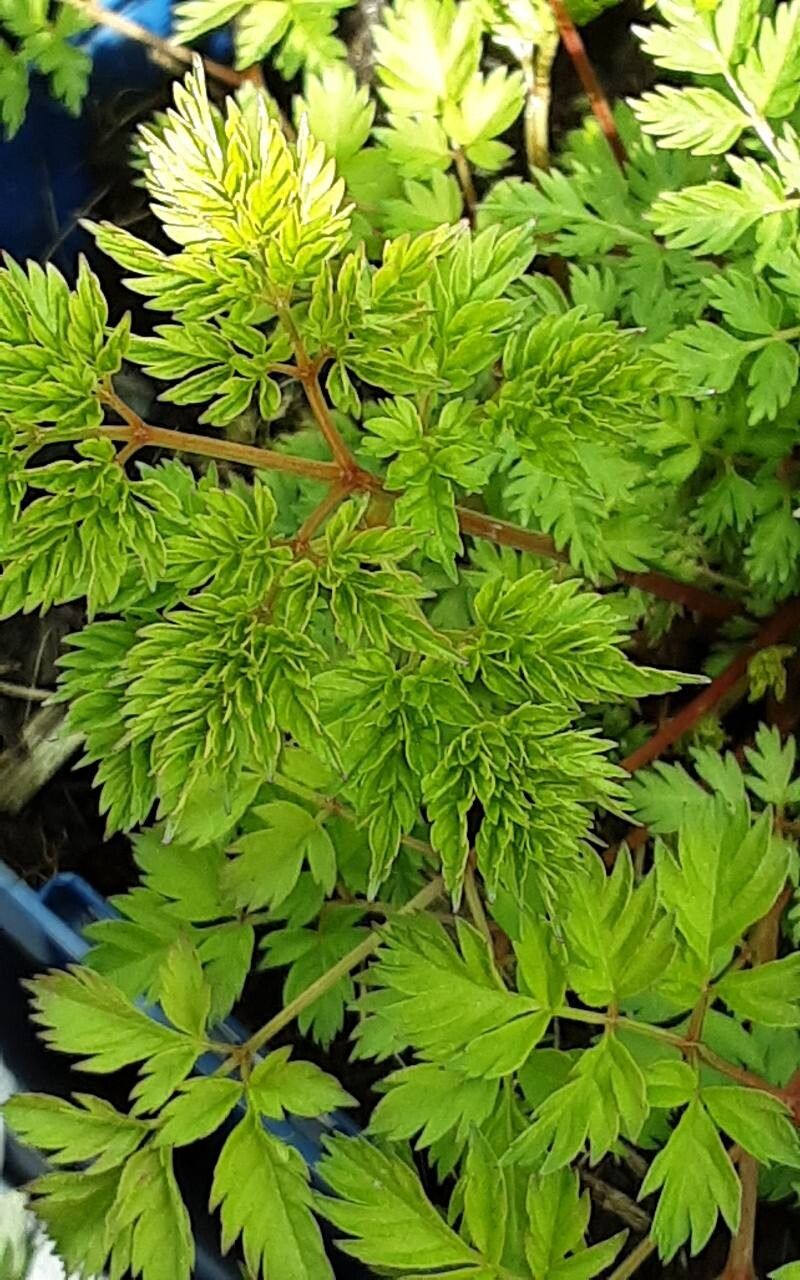
Hey there, fellow garden enthusiasts! Today, we’re diving into the wonderful world of propagating Aruncus sylvester, also known as the Goat’s Beard. If you’ve ever seen this magnificent perennial gracing a shady corner with its feathery, creamy white plumes, you’ll understand why I’m so excited about it. It’s like nature’s own delicate fireworks display!
Why Propagate Aruncus?
There’s something incredibly satisfying about creating new life from an existing plant. For me, it’s about extending the beauty of my favorite plants, sharing them with friends (because who doesn’t love a plant gift?), and frankly, it’s a lot more pocket-friendly than buying new specimens each year. The good news is, I find Aruncus sylvester to be a pretty rewarding plant to propagate, even for those just starting their propagation journey. You’ve got this!
The Best Time to Start
For Aruncus, I always recommend early spring, just as the new shoots are beginning to emerge from the ground. This is when the plant has plenty of stored energy, and the conditions are usually perfect for new growth to take hold. You can also have success with division in the fall, after the heat of summer has passed and the plant is preparing for dormancy, but spring is my go-to for the quickest and most vigorous results.
Supplies You’ll Need
Gathering your supplies beforehand makes the whole process so much smoother. Here’s what I usually have on hand:
- Sharp pruning shears or a knife: Clean cuts are essential for preventing disease.
- Rooting hormone powder or gel: This isn’t strictly necessary for Aruncus, but it can give your cuttings a nice boost.
- A sterile potting mix: I like a blend that’s well-draining, usually something with peat moss or coco coir and perlite. A mix formulated for perennials or seed starting works well.
- Small pots or seed trays: Make sure they have drainage holes!
- A spray bottle: For misting.
- Labeling stakes: You’ll thank me later when you have a few different projects going on!
- Gloves: To keep your hands clean.
Propagation Methods: My Favorites
Aruncus is most commonly and easily propagated through division. This is where we’ll focus our energy.
Division: Taking Apart Your Treasure
This is, hands down, the easiest and most successful method for Aruncus. Over time, these plants will form nice, dense clumps.
- Digging Up: In early spring, when you can clearly see the new growth, carefully dig around the perimeter of your Aruncus plant. I like to go about 6-8 inches out from the crown. Gently loosen the soil and then, with a bit of wiggling and lifting, try to expose the entire root ball.
- Separating: Once the plant is out of the ground, you’ll see the fleshy root system. You can often gently pull apart sections of the root ball with your hands, especially if the growth is new and the roots aren’t overly tangled. For older, tougher clumps, you might need your clean, sharp spade or knife to slice through the roots. The key is to ensure each new section has some healthy roots and at least one or two vigorous shoots.
- Replanting: In your prepared pots or directly back into the garden (where you want more Aruncus!), plant your divisions. Make sure the top of the root ball is level with the soil surface. Water them in thoroughly.
The “Secret Sauce” (Pro Tips)
Here are a few little tricks I’ve learned over the years that really help:
- Don’t Be Afraid to Get Your Hands Dirty: When you’re ready to divide, Aruncus roots can be quite substantial. Sometimes, a vigorous shake to remove excess soil will reveal natural break points. Don’t be shy about gently pulling or even carefully using a trowel to loosen sections.
- Observe the Shoots: When dividing, look for sections with nice, plump, new shoots. These are the ones that have the best chance of establishing themselves quickly. If a section has weak or withered shoots, it’s best to leave it attached to a stronger piece or discard it.
- Give Them a Drink First: If you’re dividing a plant that feels a bit dry, give it a good watering the day before you plan to dig it up. This helps the roots retain moisture during the process, making them a bit more pliable and reducing transplant shock.
Aftercare & Troubleshooting
For divisions, the care is pretty straightforward. Water them regularly, especially during the first few weeks as they settle in. Keep the soil consistently moist but not waterlogged. For newly planted divisions in the garden, a light mulch can help retain moisture and suppress weeds.
The most common sign of trouble you might see is if the shoots start to wilt significantly or turn yellow soon after planting. This usually indicates that the division didn’t get enough healthy roots or it’s struggling with too much or too little water. Rot is also a possibility if the soil is constantly soggy. If you see mushy, dark sections on the roots, that’s rot. In that case, you might need to carefully trim away the affected parts and replant in drier soil or improve drainage.
Happy Propagating!
See? Not so daunting, is it? Propagating Aruncus sylvester through division is a wonderful way to fill your garden with this stunning plant or to share its beauty with others. Remember to be patient with your new little plants. They’re working hard to establish themselves. Enjoy the process, and soon you’ll have more of this gorgeous Goat’s Beard to admire! Happy gardening!
Resource:
https://identify.plantnet.org/k-world-flora/species/Aruncus%20sylvester%20Kostel.%20ex%20Maxim./data