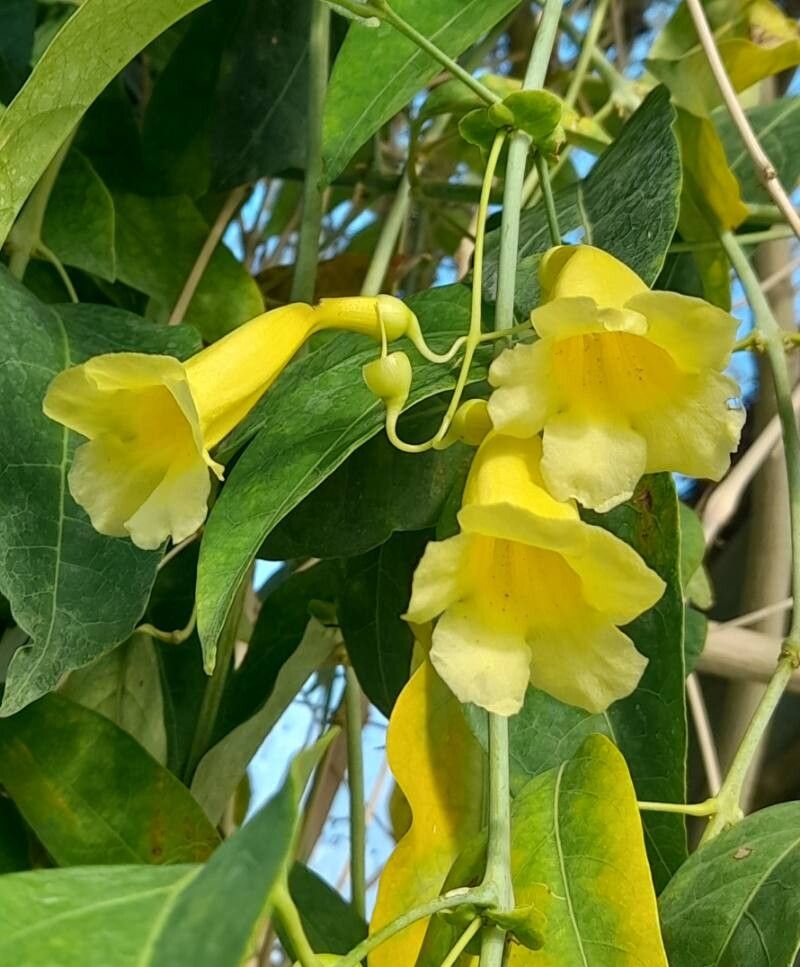
Grow Your Own Sky Vine Magic: A Guide to Propagating Anemopaegma chamberlaynii
Oh, the thrill of seeing a tiny cutting transform into a flourishing plant! And Anemopaegma chamberlaynii, that gorgeous vine with its trumpet-shaped, sky-blue flowers, is an absolute joy to multiply. If you’ve ever admired its elegant cascade in a garden or on a sunny wall, you’re in for a treat. Propagating these beauties is definitely achievable, and while it might take a little patience, it’s far from a daunting task. Even if you’re just dipping your toes into the world of propagation, I’m here to guide you.
When is the Magic Time to Start?
The sweet spot for propagating Anemopaegma chamberlaynii is definitely during its active growing season. Think late spring through summer. This is when the plant is full of energy, meaning your cuttings will have the best chance of rooting. You’re looking for stems that are mature – not brand new, tender shoots, but also not old, woody growth. A stem that bends a little but doesn’t snap cleanly is usually perfect.
Gearing Up: Your Propagation Toolkit
Gathering your supplies ahead of time makes the whole process much smoother. Here’s what you’ll want to have on hand:
- Sharp Pruning Shears or a Clean Knife: Essential for making clean cuts. Dull tools can damage stems and invite disease.
- Rooting Hormone: While not strictly mandatory for Anemopaegma, it can give your cuttings a significant boost, especially for faster rooting. I prefer the powdered kind.
- Well-Draining Potting Mix: A good blend is key. I love using a mix of equal parts peat moss or coco coir, perlite, and a little bit of compost. You can also buy specific seedling or propagation mix.
- Small Pots or Trays: Choose pots that are about 4-6 inches deep. Ensure they have drainage holes!
- Plastic Bags or a Propagator: To create a humid environment. A clear plastic bag works wonders.
- Watering Can with a Fine Rose or Spray Bottle: For gentle watering.
- Labels: Don’t forget to label your cuttings with the date and variety!
Bringing New Life: Propagation Methods
Anemopaegma chamberlaynii is fantastic for propagation via stem cuttings. It’s straightforward and usually gives a high success rate.
Stem Cuttings:
- Gather Your Cuttings: On a pleasant spring or summer day, select healthy, non-flowering stems from your established plant. Using your sharp shears, take cuttings that are about 6-8 inches long. Make your cut just below a leaf node (where a leaf attaches to the stem).
- Prepare the Cuttings: Gently remove the lower leaves from your cuttings. You want to leave just a couple of pairs of leaves at the top. This reduces water loss and prevents leaves from rotting in the soil.
- Apply Rooting Hormone: If you’re using rooting hormone, lightly moisten the bottom inch of each cutting with water. Then, dip the cut end into the rooting hormone, tapping off any excess.
- Planting Time: Fill your small pots or trays with your prepared, moist potting mix. Make a hole in the center of the soil with your finger or a pencil. This prevents the rooting hormone from being scraped off. Insert the bottom of your cutting into the hole, ensuring the leaf nodes where you removed leaves are below the soil surface. Gently firm the soil around the cutting.
- Create Humidity: Water the soil gently until it’s evenly moist. Then, cover the pot with a clear plastic bag, creating a mini-greenhouse. You can support the bag with stakes so it doesn’t touch the leaves. If you have a propagator, that’s even better!
- Find a Sunny Spot: Place your pots in a warm, bright location, but out of direct, harsh sunlight. A bright windowsill is often perfect.
The “Secret Sauce”: Insider Tips for Success
Here are a couple of tricks that I’ve learned over the years that really make a difference:
- Avoid the Waterlogged Trap: When watering your newly potted cuttings, make sure the soil is moist, not soggy. Overwatering is the quickest way to invite rot. If water is pooling on the surface after watering, your drainage might not be good enough, or you’re watering too much.
- The Magic of Bottom Heat: If you can provide a little warmth from below, your cuttings will thank you! A heated propagation mat can significantly speed up root development. It mimics the warmth of the summer soil and encourages roots to form more readily. You don’t need anything fancy – even resting the pots on top of a warm router can sometimes provide a gentle heat boost.
Beyond the Cut: Aftercare and Troubleshooting
It can take anywhere from 4 to 8 weeks, sometimes longer, for your Anemopaegma cuttings to develop a good root system. You’ll know they’re ready when you gently tug on them and feel resistance, or when you see new leaf growth appearing.
- Transitioning: Once you see signs of rooting, you can gradually reduce the humidity. Start by opening the plastic bag for a few hours each day. If you see new growth, even better! Over the next week or two, remove the bag entirely.
- Potting Up: When your cuttings have a healthy root ball (you can usually tell by carefully tipping a pot out or seeing roots emerge from the drainage holes), it’s time to pot them up into slightly larger containers with a good quality potting mix. Water them in well.
- Troubleshooting Rot: The most common problem you’ll encounter is rot. If you notice your cuttings turning black and mushy, or developing a foul smell, it’s likely due to overwatering or poor air circulation. Unfortunately, rot is usually fatal, so it’s best to discard the affected cuttings and start again, being extra careful with watering and humidity next time. Make sure your cuttings aren’t touching the sides of the plastic bag if possible, as this can create an ideal environment for fungal growth.
Keep Growing and Enjoy the Journey!
Propagating Anemopaegma chamberlaynii is a rewarding process that brings the joy of gardening right into your hands. Don’t be discouraged if your first few attempts aren’t perfect. Gardening is all about learning and observing. Be patient, enjoy the quiet anticipation of new life, and soon you’ll be surrounded by your own beautiful sky vine blooms! Happy propagating!
Resource: