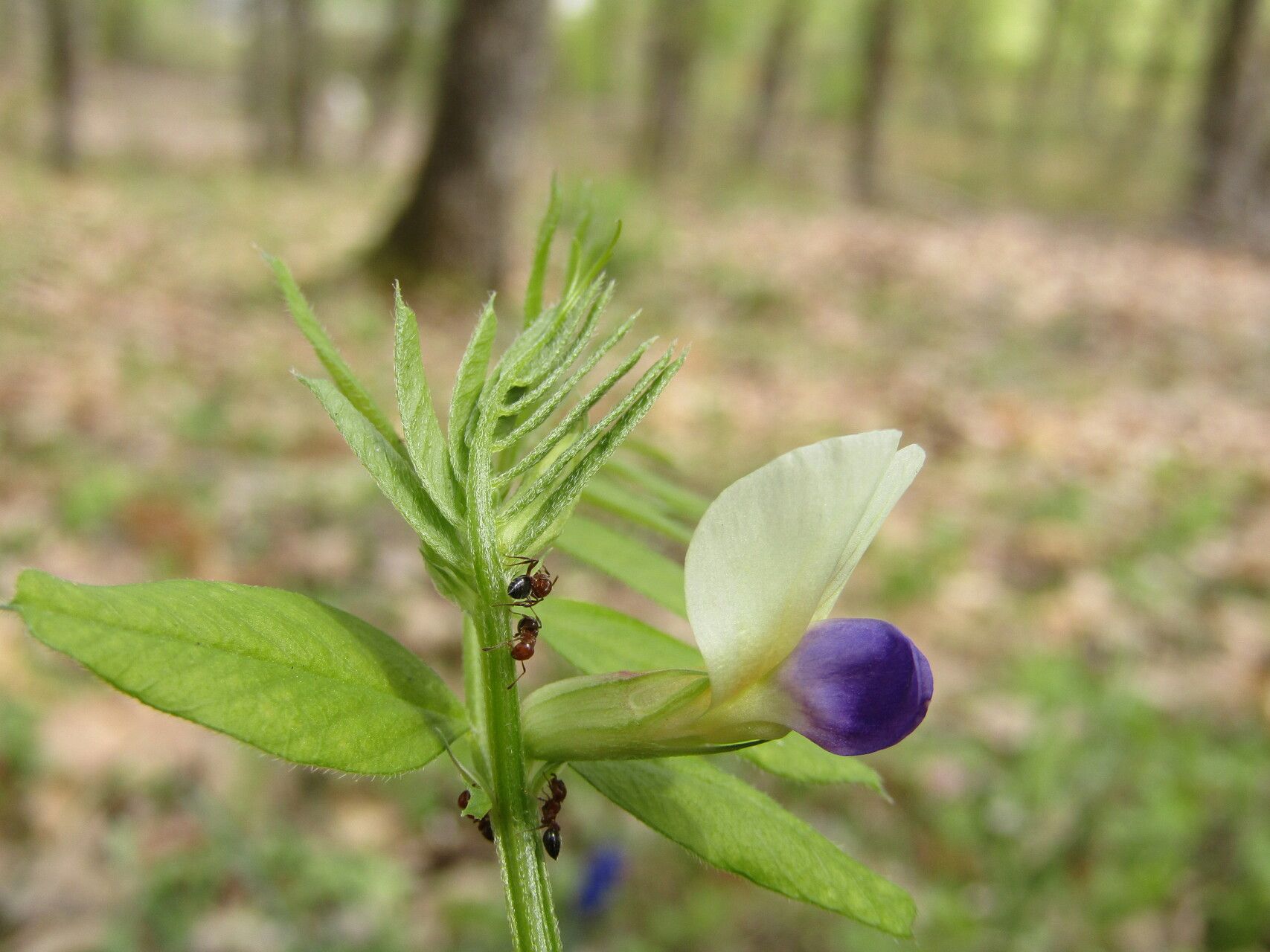
Oh, hello there! Come on in, grab a cuppa. Let’s chat about Vicia laeta. I know, it’s a mouthful, but this plant? It’s a real charmer. With its delicate, pea-like flowers that come in the most delightful shades, and its graceful, vining habit, it’s just one of those plants that brings a smile to my face. Plus, it’s a bit of a rarity in many gardens, which makes growing your own feel extra special.
Now, is it a breeze for beginners? I’d say it’s moderately easy, which is still fantastic news! A little attention to detail and you’ll be rewarded with a whole new patch of Vicia laeta to enjoy.
The Best Time to Start
For Vicia laeta, spring is your best friend when it comes to propagation. Think of it as the plant waking up from its winter slumber, full of energy and ready to grow. You’ll have the most success starting new plants from seeds or softwood cuttings around late spring to early summer, just as new, tender growth is really getting going. This is when the plant is actively producing hormones that encourage root development.
Supplies You’ll Need
Before we get our hands dirty, let’s gather our tools:
- Sharp pruning shears or a clean knife: For taking cuttings cleanly.
- Potting mix: A good quality, well-draining seed starting mix is ideal. I often add a bit of perlite to help with drainage.
- Small pots or trays: For your new cuttings.
- Rooting hormone (optional but helpful): A powder or liquid can give your cuttings a boost.
- Watering can with a fine rose: To water gently without disturbing your new plants.
- Plastic bags or a propagator: To keep humidity high around your cuttings.
- Labels: So you don’t forget what you planted where!
Propagation Methods
Vicia laeta is quite adaptable, and I’ve had great success with a couple of methods.
1. From Seed:
This is probably the most straightforward way to start with Vicia laeta.
- Harvesting Seeds: If you have an existing plant, wait for the seed pods to dry and turn brown. You can usually hear the seeds rattling inside. Carefully open the pods and collect the seeds.
- Preparation: Some gardeners find that Vicia seeds benefit from a little nudge to germinate. You can try scarifying them – which means gently nicking the seed coat with a file or scraping it lightly with sandpaper. This helps water penetrate. Then, soak them in warm water for about 12-24 hours.
- Sowing: Fill your small pots or seed trays with your seed starting mix. Sow the seeds about 1cm deep and gently water.
- Germination: Keep the soil consistently moist but not waterlogged. A warm spot and good light will encourage germination, which usually takes 1-4 weeks.
2. Softwood Cuttings:
This method works beautifully when the plant is in its vigorous spring growth.
- Taking Cuttings: Look for healthy, non-flowering shoots that are about 4-6 inches long. Use your sharp shears to take a clean cut just below a leaf node (where a leaf joins the stem).
- Preparing Cuttings: Remove the lower leaves, leaving just a couple at the top. This prevents them from rotting in the soil. If your cuttings are quite long, you can even cut some of the remaining leaves in half to reduce water loss.
- Applying Rooting Hormone (Optional): Dip the cut end of the stem into your rooting hormone, tapping off any excess.
- Planting: Fill your pots with moistened potting mix. Make a small hole with a pencil or your finger and insert the cutting, about 1-2 inches deep. Firm the soil gently around it.
- Creating a Humid Environment: Water gently, then cover the pot with a clear plastic bag or place it in a propagator. This creates a mini-greenhouse effect, keeping humidity high, which is crucial for cuttings. Secure the bag with a rubber band.
The “Secret Sauce” (Pro Tips)
Here are a few little tricks I’ve learned over the years that really make a difference:
- Don’t let the leaves touch the water when creating a humid environment. If you’re using a plastic bag and the leaves are touching it, carefully trim them back or prop the bag up with a few sticks. Excess moisture on leaves can encourage fungal diseases.
- Bottom heat is your friend for cuttings! If you have a heated propagator, fantastic! If not, pop those pots onto a warm windowsill or even a heat mat designed for seedlings. This warmth encourages root development from below.
- When taking cuttings, choose stems that snap easily when bent, rather than just flopping over. This “softwood” or “semi-hardwood” stage is when they have enough flexibility and hormones for rapid rooting.
Aftercare & Troubleshooting
Once your roots have started to form (you might see them peeking out of the drainage holes, or gentle tugging reveals resistance), it’s time to give them a bit more space.
- Potting Up: Carefully transplant your rooted cuttings into individual pots filled with a good quality potting mix. Water them in gently.
- Gradual Acclimation: If you’ve been using a propagator or plastic bag, gradually remove the cover over a few days. Start by lifting it for an hour or two, then longer periods. This helps them adjust to normal humidity levels.
- Light and Water: Keep them in a bright spot but out of direct, harsh sunlight for a week or two until they look more established. Water when the top inch of soil feels dry.
Now, what if things go wrong? The most common issue you’ll encounter is rot. If your cuttings turn mushy and black, it’s usually a sign of too much moisture and not enough air circulation. Don’t get discouraged! This just means you need to adjust your watering and ventilation. Sometimes, cuttings just refuse to root – that’s part of the gardening gamble, so try again!
A Little Encouragement
Growing plants from cuttings or seeds is a truly magical process. It’s about patience, observation, and a little bit of faith. Don’t be afraid to experiment, and remember that every gardener has lost a cutting or two. The joy you’ll feel when you see those tiny roots emerge and the new plant unfurl its first true leaves is absolutely worth it. Happy propagating!
Resource:
https://identify.plantnet.org/k-world-flora/species/Vicia%20laeta%20Ces./data