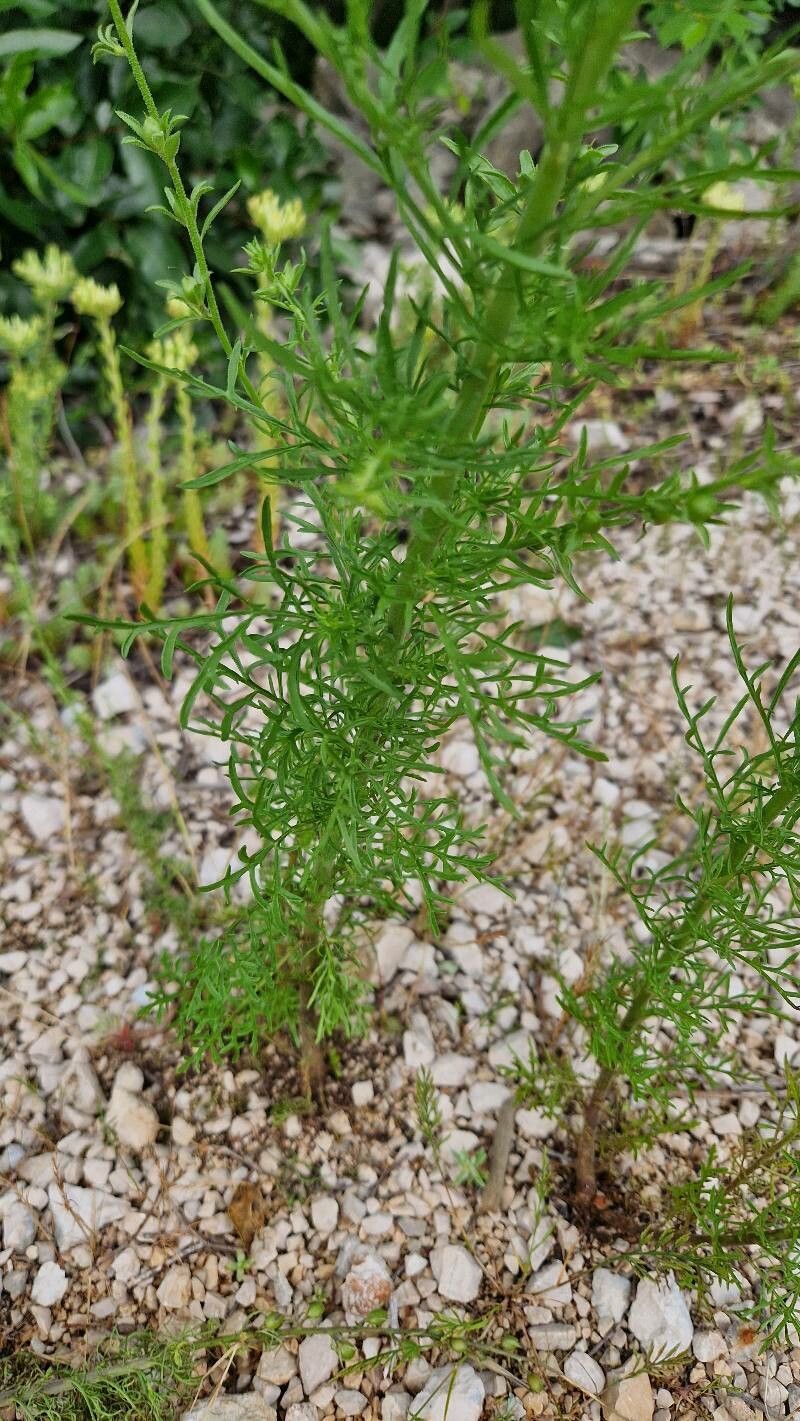
Oh, Verbascum orientale! Those tall spires of sunshine yellow are just pure joy in the garden, aren’t they? And if you’re anything like me, once you’ve fallen for a plant, you want more of it. Propagating your own is incredibly rewarding. It’s a wonderful way to fill out borders, share with gardening friends, or simply enjoy more of that glorious bloom. Good news for you: Verbascum orientale is quite forgiving, even for those just starting out on their propagation journey.
The Best Time to Start
I’ve found the sweet spot for propagating Verbascum orientale is generally in late spring to early summer. This is when the plant is actively growing and has a good amount of energy to put into developing new roots. You can also try taking cuttings in early autumn after the main flowering flush has passed, but spring is usually my go-to for the highest success rate.
Supplies You’ll Need
Gathering your tools beforehand makes the whole process smoother. Here’s what I usually have on hand:
- Sharp, clean pruning shears or a sharp knife: For making clean cuts.
- Rooting hormone (optional but helpful): A powder or gel to encourage root development.
- A well-draining potting mix: I like a blend of equal parts peat moss and perlite, or a good quality seed-starting mix.
- Small pots or trays: Whatever you have that’s clean and has drainage holes.
- A watering can with a fine rose: For gentle watering.
- Plastic bags or a propagator: To create a humid environment for cuttings.
Propagation Methods
Verbascum orientale can be propagated in a couple of ways, but I find taking stem cuttings to be the most reliable and straightforward.
Stem Cuttings
This is my favorite method for Verbascum.
- Select a healthy stem: Look for a non-flowering shoot that’s about 4-6 inches long. It should be firm but not woody.
- Make the cut: Using your clean shears or knife, take a cutting just below a leaf node. This is the point where a leaf joins the stem; it’s where roots are most likely to form. Remove any lower leaves.
- Prepare the cutting: If you’re using rooting hormone, dip the cut end into it now. Gently tap off any excess.
- Pot it up: Fill your small pots with your prepared potting mix. Make a hole in the center with your finger or a pencil. Insert the cutting, ensuring the lower leaves aren’t buried. Gently firm the soil around it.
- Water gently: Water the soil until it’s moist but not waterlogged.
- Create humidity: Cover the pot with a clear plastic bag, or place it in a propagator. This will help keep the humidity high, which is crucial for cuttings to root. Make sure the leaves don’t touch the plastic.
- Find a bright spot: Place your pots in a bright location, but out of direct, scorching sunlight. A warm windowsill is usually perfect.
The “Secret Sauce” (Pro Tips)
Here are a few little tricks I’ve learned over the years that really boost your chances of success:
- Bottom Heat is Your Friend: If you have a small propagator, using a heated mat underneath can make a world of difference. It encourages root formation from the base of the cutting, speeding things up considerably.
- Don’t Be Afraid to Pinch: Once your cuttings have taken root and you’ve potted them up, pinch out the growing tip when they are a few inches tall. This encourages the plant to branch out, making for a bushier, more robust plant.
- Patience with Those First Leaves: Don’t be disheartened if the leaves on your cutting look a bit sad for the first week or two. They’re focusing their energy underground on making roots. As long as the stem is green, there’s hope!
Aftercare & Troubleshooting
Once you start to see new growth appearing at the tip of the cutting, that’s a fantastic sign! It means roots have formed.
Care for your new little Verbascum like you would a young seedling. Water when the top inch of soil feels dry. Gradually remove the plastic cover over a few days to acclimate them to normal humidity. Once they’re a few inches tall and have developed a good root system (you might see roots peeking out of the drainage holes), you can transplant them into slightly larger pots or directly into your garden if the weather is suitable.
The most common problem I see is rot, often caused by too much moisture. If your cutting looks mushy or slimy, sadly, it’s probably time to start again. Make sure your soil drains well and avoid overwatering.
A Little Encouragement
Propagating a new plant just feels like magic, doesn’t it? So take a deep breath, enjoy the process of nurturing these tiny new lives, and don’t be discouraged if you have a few failures along the way. Every gardener has them! The joy of watching a new Verbascum orientale shoot up from a cutting you’ve nurtured yourself is truly special. Happy propagating!
Resource:
https://identify.plantnet.org/k-world-flora/species/Verbascum%20orientale%20(L.)%20All./data