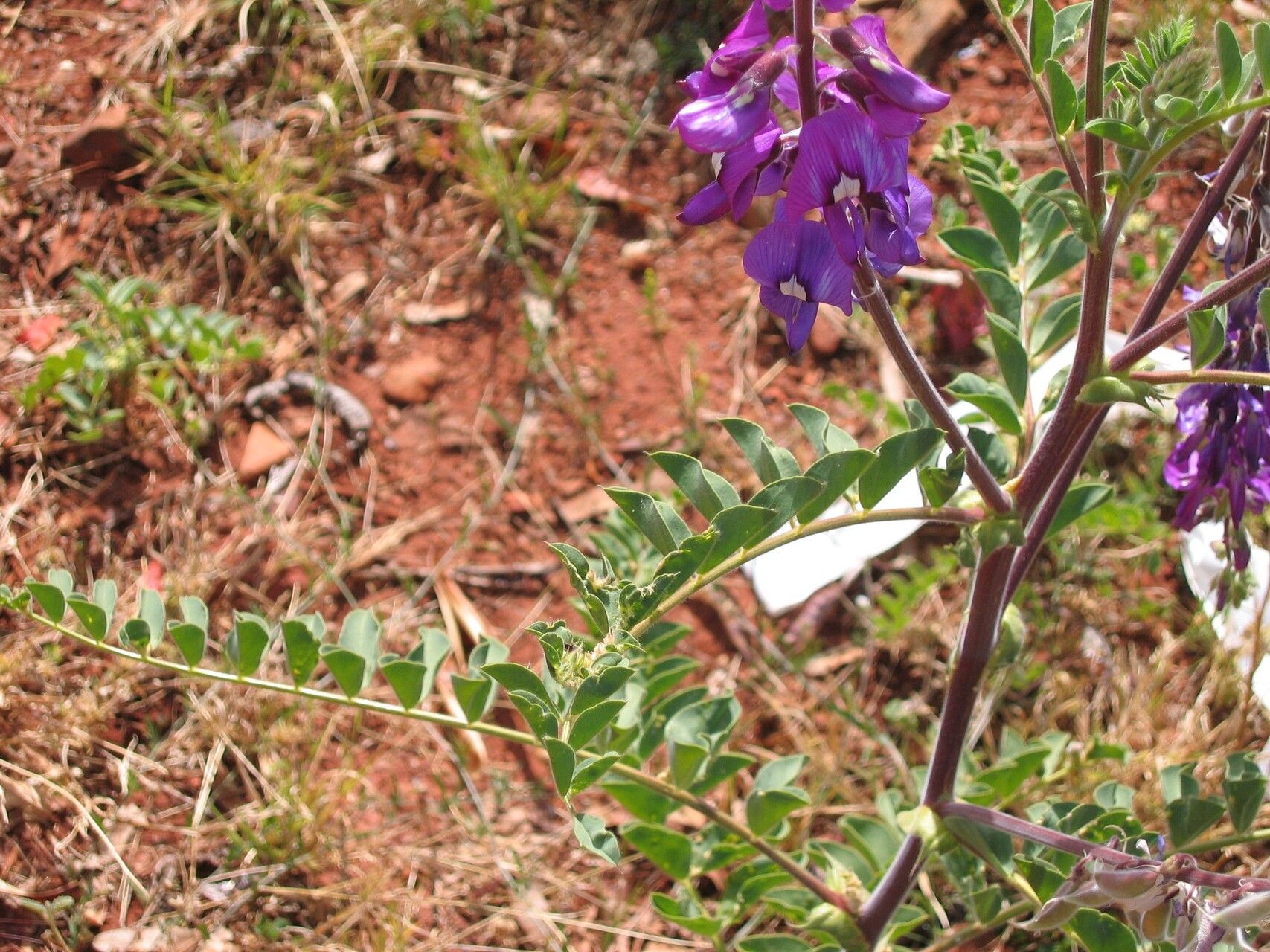
Oh, hello there! Come on in, grab a mug. I’m so excited to chat with you today about a truly gorgeous Australian native – Swainsona maccullochiana, or as some of us affectionately call it, the Desert Pea.
The Desert Promise: Why Propagate Swainsona maccullochiana?
There’s something about the Desert Pea that just captures your heart. Those vibrant, almost surreal crimson flowers! They’re like little bursts of joy popping up in the garden. And the best part? You can easily coax more of this beauty into existence yourself. It’s incredibly rewarding to take a little piece of a plant you love and help it grow into a whole new life. Now, for beginners, I’d say Swainsona maccullochiana is a moderately easy plant to propagate. It’s not as foolproof as, say, a pothos, but with a little attention, you’ll do wonderfully.
When to Get Your Hands Dirty
The sweet spot for propagating Swainsona maccullochiana is generally in spring or early summer. This is when the plant is actively growing and bursting with energy, making it more receptive to taking root. You want to be grabbing cuttings from healthy, non-flowering stems if possible.
What You’ll Need to Get Started
Here’s a quick rundown of what I always have on hand:
- Sharp pruning shears or a clean craft knife: For making clean cuts.
- Well-draining potting mix: I love a blend of perlite, coarse sand, and a good quality potting soil. Desert Peas really dislike soggy feet.
- Rooting hormone (optional but recommended): This gives your cuttings a little boost.
- Small pots or seedling trays: Clean ones are key!
- Clear plastic bags or a propagator: To create a humid environment.
- Watering can with a fine rose: For gentle watering.
- Labels: To keep track of what’s what!
Bringing New Life Forth: Propagation Methods
Swainsona maccullochiana is most commonly propagated from stem cuttings. It’s reliable and gives us a great chance of success.
- Select Your Cuttings: Look for healthy, semi-hardwood stems. These are stems that are neither brand new and fleshy nor old and woody. You’re aiming for pieces that are about 10-15 cm (4-6 inches) long.
- Make the Cut: Using your sharp shears or knife, make a clean cut just below a leaf node. This is where the plant’s magic happens for root development. Remove any flowers or buds from the cutting – we want all its energy to go into roots, not flowers.
- Prepare the Cutting: Gently strip off the lower leaves, leaving just a couple of leaves at the very tip. This reduces water loss and prevents leaves from rotting in the potting mix.
- Dip and Plant: If you’re using rooting hormone, dip the cut end into the powder. Give it a gentle tap to remove excess. Then, make a small hole in your prepared potting mix with a pencil or your finger, and insert the cutting. Firm the soil gently around it.
- Water and Cover: Water gently until the mix is moist but not waterlogged. Then, place the pot inside a clear plastic bag or cover it with a propagator lid. This creates that essential humid microclimate.
The “Secret Sauce” for Success
Here are a few things I’ve learned over the years that really make a difference:
- Bottom heat is your friend: If you have a heat mat for seedlings, popping your pots on it can significantly speed up root formation. It mimics the warmth of spring soil.
- Don’t let those leaves touch anything wet: When you water, make sure no leaves are sitting in soggy soil or touching the sides of the pot where condensation can build up. This is a quick recipe for rot.
- Patience is paramount, and so is clean air: Once you have them covered, resist the urge to constantly peek! Give them a week or two. If you’re using a plastic bag, open it for a few minutes each day to allow for air exchange. This helps prevent fungal diseases.
Nurturing Your New Sprouts (And What to Watch For)
Once roots have formed – you can often gently tug on the cutting, and if it offers resistance, roots are there! – it’s time for a little more freedom.
- Gradually Acclimate: Slowly introduce your new plants to drier air by opening the plastic bag or propagator lid for longer periods each day over a week.
- Watering: Water when the top inch of soil feels dry. Always water from the bottom if you can, allowing the pot to soak up moisture.
- Light: Give them bright, indirect light. Direct sun can be too harsh for these delicate youngsters.
Now, what if things go wrong? The most common culprit is rot. If your cutting goes limp, turns black and mushy, or the leaves are falling off quickly, it’s likely due to overwatering or poor air circulation. Discard any rotting cuttings to prevent it from spreading. If your cutting just seems to be doing nothing after a few weeks, don’t despair! Sometimes they’re just taking their sweet time.
Keep Growing!
Propagating Swainsona maccullochiana is a journey, and like all good gardening endeavors, it requires a bit of patience and a lot of love. Don’t be discouraged if your first attempt isn’t perfect. Each cutting you try is a learning experience. So, go ahead, get your hands in the soil, and enjoy the magic of bringing more of those beautiful Desert Peas into the world. Happy growing!
Resource:
https://identify.plantnet.org/k-world-flora/species/Swainsona%20maccullochiana%20F.Muell./data