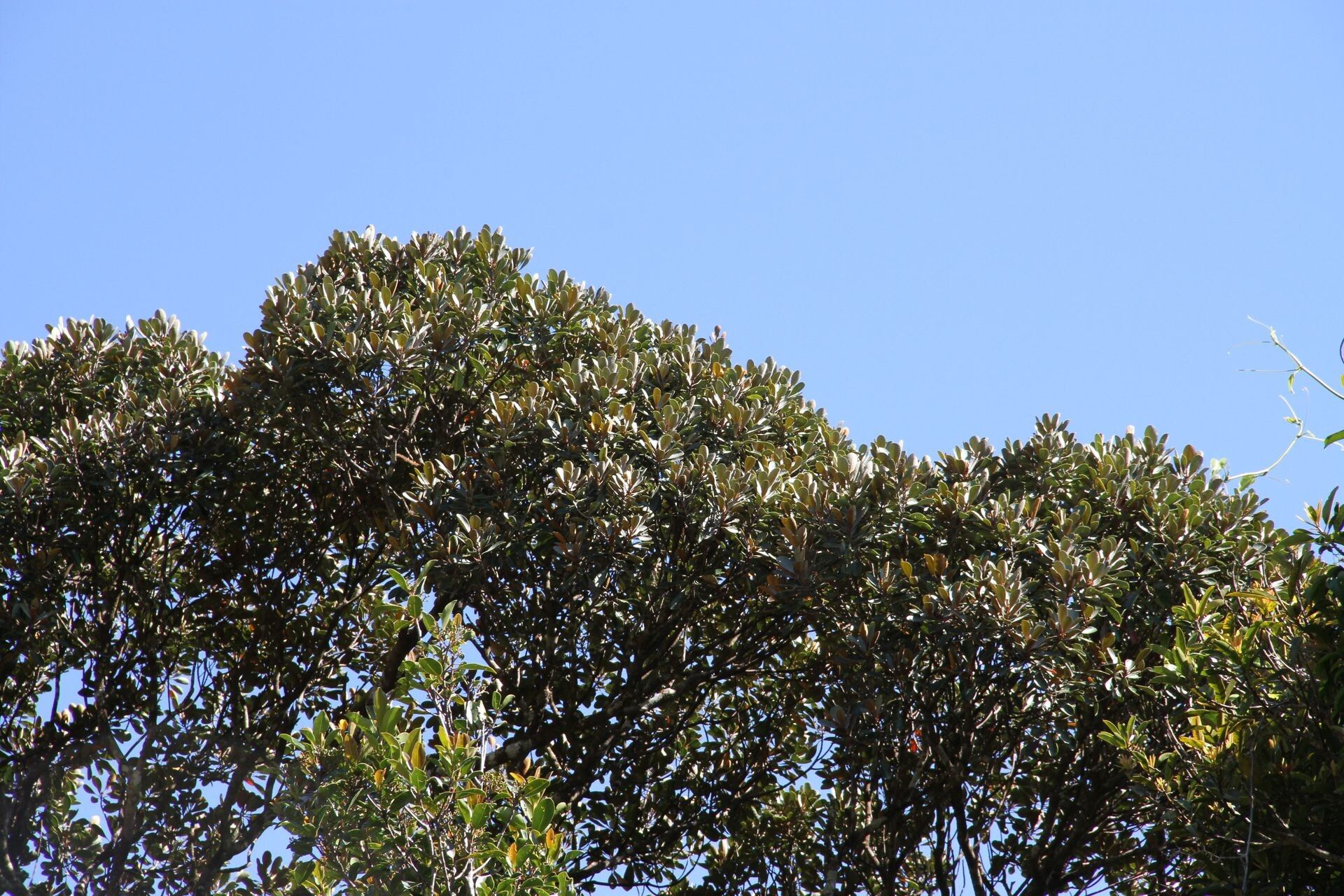
Oh, hello there! Come on in, pull up a chair. I’ve got a fresh pot of coffee brewing. Today, we’re diving into the wonderful world of propagating Planchonella glauca. You know, that stunner with the gorgeous, silvery-blue foliage? It adds such a touch of elegance to any garden. And the best part? Getting more of these beauties for yourself is incredibly rewarding. Now, I’ll be honest, Planchonella glauca isn’t quite a “stick a twig in the dirt and watch it grow” kind of plant for absolute beginners. It requires a little bit of attention to detail, but with these tips, I’m confident you’ll have success.
The Best Time to Start
For the highest success rate, I find Spring is your best bet. As the days get longer and warmer, your Planchonella will be in its active growth phase. This vigor translates beautifully to cuttings. Aim for late spring or early summer, just as new growth is getting plump and healthy. You want stems that are semi-hardwood – not brand new, floppy shoots, but not old, woody growth either.
Supplies You’ll Need
Here’s what I always have on hand when I’m propagating:
- Sharp Pruning Shears or a Clean Knife: Essential for clean cuts that heal well.
- Rooting Hormone Powder or Gel: This is a lifesaver for encouraging strong root development.
- Well-Draining Potting Mix: I usually mix equal parts perlite, peat moss, and coarse sand. A good quality seedling starting mix works too, just make sure it’s not too dense.
- Small Pots or Seedling Trays: Clean ones are non-negotiable!
- Plastic Bags or a Clear Propagator Lid: To maintain humidity around your cuttings.
- Watering Can or Spray Bottle: For gentle watering.
- Optional: Heat Mat: Especially helpful if your propagation area is a bit on the cooler side.
Propagation Methods
Let’s get our hands dirty! The most reliable method for Planchonella glauca is taking stem cuttings.
Stem Cuttings:
- Select Your Cuttings: Look for healthy, current-season stems. You’re aiming for pieces about 4-6 inches long with at least two sets of leaves.
- Make the Cut: Using your clean shears or knife, make a clean cut just below a leaf node (where a leaf attaches to the stem).
- Prepare the Cutting: Gently remove the lower leaves from the bottom half of the cutting. This prevents them from rotting in the soil. You can leave 2-3 sets of leaves at the top. If the remaining leaves are very large, you can halve them to reduce water loss.
- Apply Rooting Hormone: Dip the cut end of the stem into your rooting hormone, tapping off any excess.
- Plant Your Cuttings: Fill your clean pots with your well-draining potting mix. Make a little hole with your finger or a pencil, and gently insert the cutting, making sure the hormone-coated part is in contact with the soil. Firm the soil gently around the stem.
- Water Gently: Water thoroughly but gently, so you don’t disturb the cuttings.
- Create a Humid Environment: Cover the pots with a plastic bag or a propagator lid. Make sure the leaves aren’t touching the plastic if possible. Place the pots in a bright, indirect light location.
The “Secret Sauce” (Pro Tips)
Now, here are a few things I’ve learned over the years that really make a difference:
- Bottom Heat is Your Friend: If possible, place your pots on a heat mat. This encourages root growth from the bottom up and significantly speeds up the rooting process. I find it makes a world of difference, especially in cooler months or drafty spots.
- Don’t Drench, Don’t Dry: The trick is to keep the soil consistently moist, but never waterlogged. Overwatering is the quickest way to rot your cuttings. I like to check the soil by gently poking a finger in – if it feels dry about an inch down, it’s time to water.
- Patience with the Leaves: Once you’ve put the cuttings in the pot, resist the urge to constantly fuss over them. Trust the process! Your Planchonella cuttings will tell you they’ve rooted when you see new leafy growth appearing at the tip.
Aftercare & Troubleshooting
Once you see that beautiful new growth, congratulations! Your cutting has rooted.
- Acclimatization: This is a crucial step. Gradually remove the plastic bag or propagator lid over a week or so. Start by taking it off for a few hours each day, then longer. This helps the new plant adjust to normal humidity levels.
- Continued Care: Keep the soil consistently moist. As the roots establish, you can start feeding with a diluted liquid fertilizer every few weeks, especially during the growing season.
- Signs of Trouble: The most common issue is rot, which can happen if the soil stays too wet. You’ll notice the stem turning mushy and brown, often at the soil line. If you see this, it’s usually best to discard the cutting. Another sign of distress is wilting that doesn’t respond to watering, which can indicate no roots have formed or the existing ones have rotted.
A Encouraging Closing
See? Not too daunting when you break it down! Propagating plants is one of my greatest joys. It’s about patience, observation, and a little bit of faith in nature. Don’t be discouraged if your first few attempts aren’t perfect. Every gardener has had their share of failures – it’s all part of the learning journey. Just keep at it, enjoy the process, and soon you’ll have a whole collection of your own gorgeous Planchonella glauca to admire. Happy propagating!
Resource: