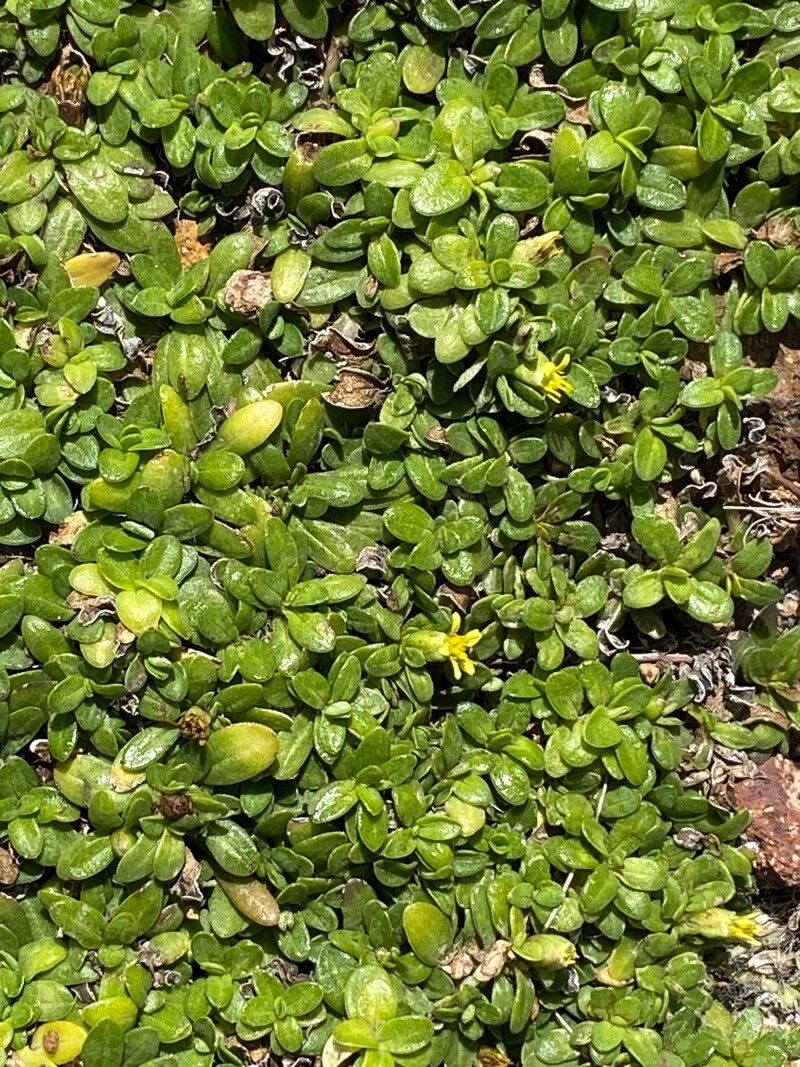
Oh, Pectis humifusa! If you’re looking for a little sunshine in your garden, this petite perennial is a fantastic choice. Often called Lemon-scented Yellow Daisy, it lives up to its name with delicate, cheerful yellow flowers and a subtle citrusy aroma that wafts through the air on warm days. It’s an absolute joy to have scrambling happily in a rock garden or spilling over the edge of a pot.
And the best part? Propagating it is wonderfully rewarding, and I’m happy to say, it’s a pretty forgiving plant to get started with. Even if you’re new to the world of plant propagation, you’ll likely find success with this one!
The Best Time to Start
For Pectis humifusa, the sweet spot for propagation is definitely late spring to early summer. This is when the plant is actively growing, full of vigor, and has plenty of healthy new shoots to work with. You want to aim for stems that are new and flexible, but not so soft that they flop over immediately. Think of it as capturing that fresh, energetic growth phase!
Supplies You’ll Need
Gathering your tools makes the process so much smoother. Here’s what I usually have on hand:
- Sharp Pruning Shears or a Clean Knife: For making clean cuts.
- Rooting Hormone (Optional but Recommended): A little help can speed things up, especially for those feeling a bit hesitant.
- Well-Draining Potting Mix: A blend of peat moss, perlite, and a little bit of sand works beautifully. Or, you can buy a good quality cactus and succulent mix.
- Small Pots or Seedling Trays: Clean pots are key to preventing disease.
- Watering Can with a Fine Rose: For gentle watering.
- Clear Plastic Bag or Humidity Dome: To create a mini-greenhouse effect.
- Labels: To keep track of your new babies!
Propagation Methods
Stem cuttings are my go-to for Pectis humifusa. They’re straightforward and very effective.
Stem Cuttings:
- Take Your Cuttings: Using your sharp shears or knife, select healthy stems that are about 3-4 inches long. Make a clean cut just below a leaf node (where a leaf joins the stem). Remove the lower leaves, leaving just a few at the top.
- Prepare the Cuttings: If you’re using rooting hormone, dip the cut end of each stem into the powder, tapping off any excess.
- Plant the Cuttings: Fill your small pots or trays with your well-draining potting mix. Make a small hole with your finger or a pencil. Gently insert the cut end of the Pectis cutting into the hole, ensuring the leaf nodes are buried in the soil. Lightly firm the soil around the stem.
- Water Gently: Water the soil thoroughly until it’s evenly moist but not waterlogged.
- Create a Humid Environment: Cover the pots loosely with a clear plastic bag or a humidity dome. This helps keep the moisture levels high around the cuttings, which is crucial for root development. Place them in a bright spot, but out of direct, harsh sunlight.
The “Secret Sauce” (Pro Tips)
Here are a couple of little tricks I’ve picked up that often make a big difference:
- Don’t Overwater! This is probably the biggest pitfall. Pectis humifusa likes to dry out slightly between waterings, and frankly, so do its cuttings. Soggy soil is a fast track to rot. I check the soil moisture by poking my finger in about an inch. If it feels dry, it’s time to water.
- Bottom Heat is Your Friend: If you have it, placing your pots on a gentle heat mat can significantly speed up root formation. It mimics the warmth of the soil in its natural growing season and encourages those roots to get going. You don’t need it blazing hot, just a gentle warmth.
Aftercare & Troubleshooting
Once you start to see signs of new growth—tiny leaves emerging or a slight pull on the stem without it coming loose—you’re on your way! This usually happens within 3-4 weeks, but don’t panic if it takes a little longer.
When you see that root development, gradually acclimate your new plants to less humid conditions. You can do this by lifting the plastic bag or humidity dome for longer periods each day. Once they feel sturdy and have a good root system (you might see a little drainage from the pot), you can transplant them into their own small pots or their permanent garden home.
The most common problem you’ll encounter is rot. If a cutting turns mushy, black, or just wilts away completely, it’s usually due to overwatering or poor air circulation. If you see this happening, remove the affected cutting immediately to prevent it from spreading.
A Little Patience, A Lot of Joy
Propagating plants is a journey, and Pectis humifusa is a lovely one to take. Be patient with your new little ones. Some might take faster than others, and that’s perfectly normal. Celebrate every little success, learn from any setbacks, and most importantly, enjoy the process of nurturing new life. Happy planting!
Resource:
https://identify.plantnet.org/k-world-flora/species/Pectis%20humifusa%20Sw./data