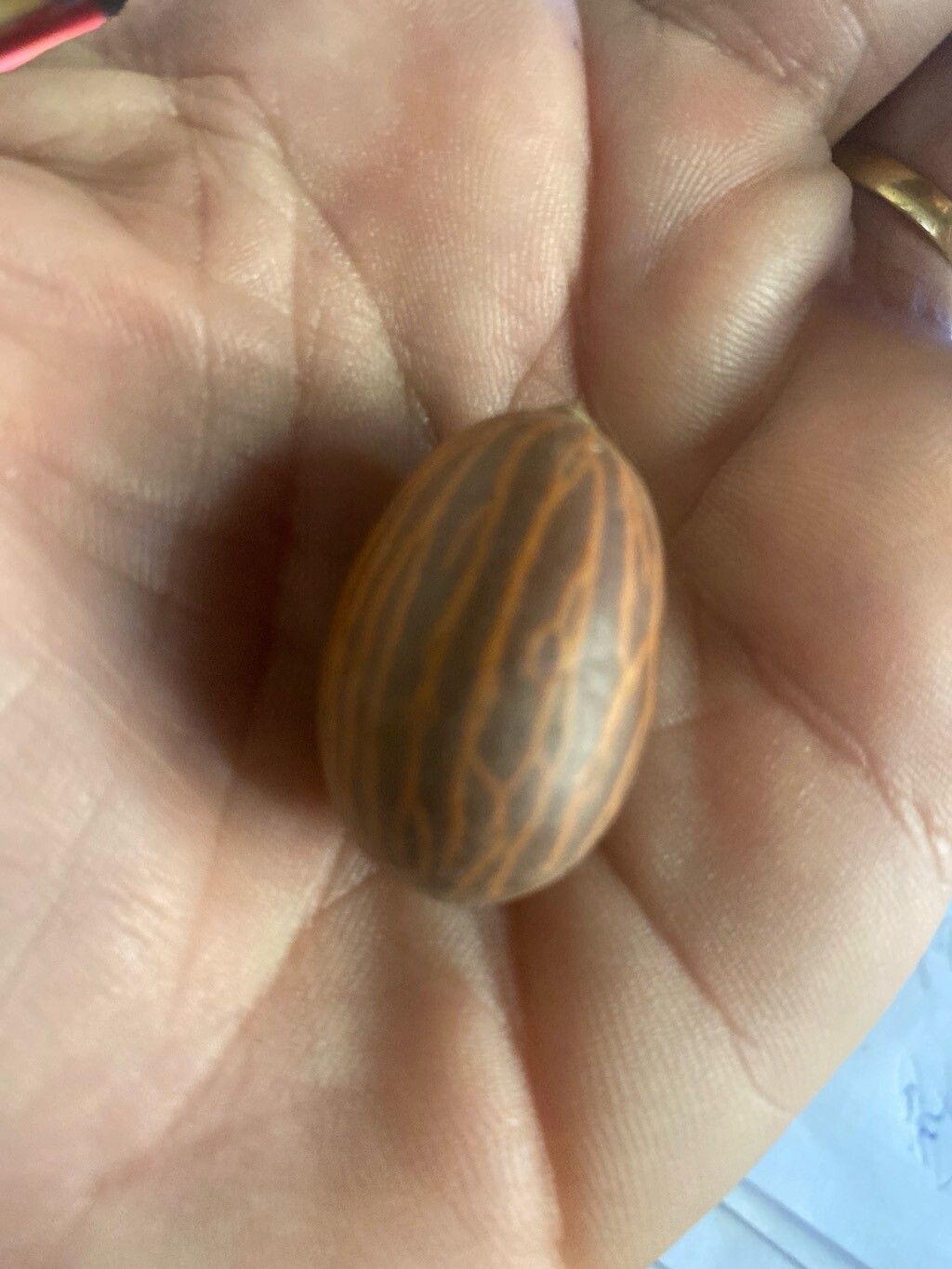
Hello fellow plant lovers! Today, we’re diving into the wonderfully rewarding world of propagating Gnetum leyboldii. If you’re drawn to its unique, almost prehistoric charm – those striking, glossy leaves and interesting architectural form – then getting more of these beauties is a fantastic idea. Trust me, nurturing a little plant from a tiny cutting into something substantial fills me with a special kind of joy. Now, I won’t sugarcoat it; Gnetum leyboldii can be a bit of a diva when it comes to propagation. It’s not quite a beginner’s first plant, but with a little patience and careful attention, you can absolutely succeed.
The Best Time to Start
When it comes to getting new Gnetum leyboldii going, spring and early summer are your golden windows. This is when the plant is naturally in its most active growth phase. You’ll find that cuttings taken during this time have the best chance of rooting successfully because the plant has plenty of energy to put into developing those precious new roots. Trying to propagate when the plant is dormant or stressed is just setting yourself up for disappointment.
Supplies You’ll Need
Before you get your hands dirty, let’s make sure you have everything ready:
- Sharp pruning shears or a clean razor blade: For making precise cuts.
- A well-draining potting mix: I personally like a blend of peat moss, perlite, and a bit of orchid bark. It mimics their natural habitat and prevents soggy roots.
- Rooting hormone powder or gel: While not strictly essential for every plant, it can give your Gnetum cuttings a significant boost.
- Small pots or propagation trays: Clean and with drainage holes, of course.
- A clear plastic bag or propagation dome: To create a humid environment.
- A mister bottle: For light watering.
- Optional: Bottom heat mat: This can really speed things up.
- Optional: A small, sharp knife: For preparing cuttings.
Propagation Methods
The most reliable way I’ve found to propagate Gnetum leyboldii is through stem cuttings. It’s a tried-and-true method that gives you a good chance of success.
- Select Your Cuttings: Look for healthy, vigorous stems that aren’t too woody or too soft. Aim for stems that have at least two or three leaf nodes (the bumps on the stem where leaves emerge). Cuttings should be about 4-6 inches long.
- Make the Cut: Using your sharp pruners or razor blade, make a clean cut just below a leaf node. This is where the magic of root development often begins.
- Prepare the Cutting: Gently remove the lower leaves from the cutting, leaving just the top two or three leaves intact. If the remaining leaves are very large, you can cut them in half horizontally to reduce water loss through transpiration.
- Apply Rooting Hormone: Dip the cut end of the stem into your rooting hormone powder or gel. Gently tap off any excess.
- Plant Your Cuttings: Fill your small pots or propagation trays with your prepared potting mix. Make a small hole in the center of the mix with your finger or a pencil. Carefully insert the cut end of the stem into the hole, ensuring the rooting hormone makes good contact with the soil. Gently firm the soil around the stem to keep it upright.
- Water and Cover: Lightly water the soil until it’s evenly moist, but not waterlogged. This is crucial – we want to avoid soggy conditions. Then, place a clear plastic bag over the pot, securing it with a rubber band, or use a propagation dome. This creates a mini-greenhouse, keeping humidity high, which is vital for cuttings that can’t yet absorb water through their roots.
- Find a Cozy Spot: Place your potted cuttings in a bright location, but out of direct sunlight. Too much sun will scorch the delicate leaves.
The “Secret Sauce” (Pro Tips)
Here are a few little tricks I’ve learned over the years that can really make a difference:
- Don’t let the leaves touch the water (if you’re attempting water propagation): Although I primarily advocate for soil, if you do try water, never let the leaves sit in the water. They’ll rot faster than you can say “root rot.” Only the stem should be submerged.
- Bottom heat is your friend: If you have a heat mat designed for plants, place your pots on it. This gentle warmth mimics the soil temperature in their native tropical environment and significantly speeds up root formation. It’s a real game-changer for slightly fussier propagators like Gnetum.
- Mist, don’t soak: You want to maintain humidity, but over-watering the soil at this stage is the quickest way to invite fungal diseases. Mist the inside of the plastic bag or dome daily, and only water the soil if it feels dry to the touch.
Aftercare & Troubleshooting
Once your cuttings have been happily ensconced in their humid little worlds for a few weeks, you’ll want to start checking for roots. The biggest indicator is new leaf growth, which shows the plant is actively trying to survive and thrive. You can also give the cutting a very gentle tug. If you feel resistance, it likely has roots.
Once you see signs of rooting, you can gradually start to acclimate it to lower humidity. Remove the plastic bag or dome for longer periods each day over a week or two. You can then transplant your new baby Gnetum into its own slightly larger pot with fresh potting mix.
The most common problem you’ll encounter is rot. If your cutting turns black and squishy, or if you see mold on the soil, it’s likely due to too much moisture and not enough air circulation. Unfortunately, once rot sets in, it’s usually the end of that particular cutting. Don’t be discouraged; just remove the affected cutting and check your watering and environmental conditions for the others.
A Little Patience Goes a Long Way
Propagating Gnetum leyboldii is a journey, not a sprint. Be patient. Some cuttings will take longer than others, and some might not make it. That’s part of the learning process! Celebrate every little success, and remember that each new plant you nurture is a testament to your growing green thumb. Happy propagating!
Resource:
https://identify.plantnet.org/k-world-flora/species/Gnetum%20leyboldii%20Tul./data