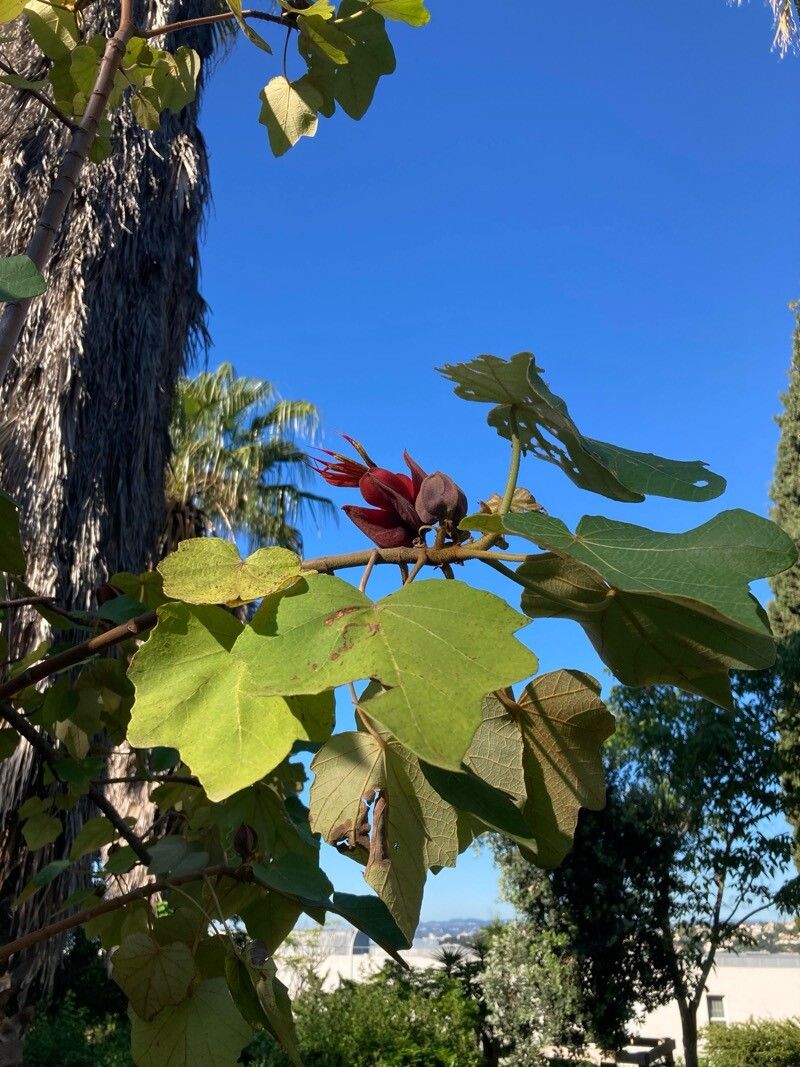
Oh, the Hand Flower tree, Chiranthodendron pentadactylon! What a magnificent specimen. Those truly unique, bright red flowers that look like little clawed hands dangling from the branches are just spellbinding. Growing one from scratch, watching it unfurl its own unique beauty, is a truly special kind of reward. Now, I’ll be honest, this isn’t the plant you’d start with if you were aiming for a super-easy first-time propagation experience. It can be a bit finicky, but with a little patience and the right approach, you can absolutely succeed.
The Best Time to Start
For Chiranthodendron pentadactylon, the sweet spot for taking cuttings is generally late spring to early summer. This is when the plant is actively growing, and the new stems are semi-hardwood. They have a bit more substance than brand-new soft growth but haven’t completely hardened off. This stage offers the best balance of flexibility and the potential for robust rooting.
Supplies You’ll Need
Here’s what you should have on hand to give yourself the best shot:
- Sharp, clean pruning shears or a grafting knife: Essential for making clean cuts.
- Rooting hormone: A life-saver for encouraging root development. Look for one with auxins like IBA.
- Potting mix: A light, well-draining mix is crucial. I like to use a blend of equal parts perlite, peat moss (or coco coir), and coarse sand.
- Small pots or propagation trays: Clean pots are a must to prevent disease.
- Plastic bags or a propagation dome: To create a humid environment.
- Watering can with a fine rose: For gentle watering.
- Labels: To mark your cuttings with the date and variety (if applicable).
Propagation Methods: Stem Cuttings
The most reliable way to propagate Chiranthodendron pentadactylon is through stem cuttings. Here’s how I approach it:
- Select Your Cuttings: Look for healthy, vigorous stems that are about 6-8 inches long. Choose pieces that have just started to firm up – not the very tips, but also not old, woody sections.
- Make the Cut: Using your sterilized pruning shears, take a clean, angled cut just below a leaf node. Nodes are where leaves emerge from the stem, and they’re prime spots for root formation.
- Prepare the Cutting: Gently remove the lower leaves from the cutting, leaving just a few at the top. You want to reduce the amount of foliage that needs to be supported while roots are developing.
- Apply Rooting Hormone: Dip the cut end of the stem into water briefly, then dip it into your rooting hormone powder. Tap off any excess.
- Plant Your Cuttings: Fill your small pots with your prepared, slightly damp potting mix. Make a pencil-sized hole in the center of the soil. Insert the cut end of the prepared stem into the hole, ensuring it’s deep enough to be stable, usually about an inch or two. Gently firm the soil around the cutting.
- Create Humidity: Water the pot lightly. Then, cover the pot with a clear plastic bag or place it under a propagation dome. Make sure the plastic doesn’t directly touch the leaves of your cuttings. You can use stakes if needed.
The “Secret Sauce” (Pro Tips)
Now, for a couple of seasoned gardener secrets that can make a big difference:
- Bottom Heat is Your Friend: Chiranthodendron pentadactylon really loves a little warmth from below while it’s trying to root. Place your pots on a heated propagation mat set to around 70-75°F (21-24°C). This encourages root development from the bottom up, which is faster and more efficient than relying solely on ambient temperature.
- Patience and Observation: Don’t be tempted to yank up your cuttings to check for roots after a few weeks. This can damage delicate new growth. Instead, look for signs of new leaf development at the tip of the stem. That’s your best indicator that roots are forming. If you have misted the leaves, you might also see them looking more turgid and vibrant.
- Don’t Overwater: While humidity is key, soggy soil is the archenemy of cuttings. The goal is consistently moist, but not waterlogged, soil. If water is pooling on the surface after watering, your mix might be too heavy or you might be watering too frequently.
Aftercare & Troubleshooting
Once you see clear signs of new growth, it’s time for a slightly different approach.
- Gradual Acclimation: Slowly acclimate your rooted cuttings to drier air by gradually opening up the plastic bag or dome over a few days. This prevents shock.
- Watering: Water whenever the top inch of soil starts to feel dry. Water thoroughly until you see water drain from the bottom of the pot.
- Light: Move your newly rooted plants to a location with bright, indirect light. Direct sun can scorch young leaves.
- Troubleshooting Rot: The most common problem you’ll face is rot. If your cutting turns black and mushy, or the leaves start to yellow and drop despite consistent moisture, it’s likely rot. This is often caused by overwatering, poor drainage, or non-sterile conditions. If you catch it early, you might be able to salvage the healthy part of the stem, but often it’s best to discard the affected cutting and start fresh with a clean pot and fresh mix.
So there you have it! Don’t be discouraged if your first attempt isn’t a resounding success. Gardening is all about learning and trying again. Be patient with your Chiranthodendron pentadactylon cuttings, give them good conditions, and enjoy the journey of nurturing these future Hand Flower trees. Happy propagating!
Resource:
https://identify.plantnet.org/k-world-flora/species/Chiranthodendron%20pentadactylon%20Larreat./data