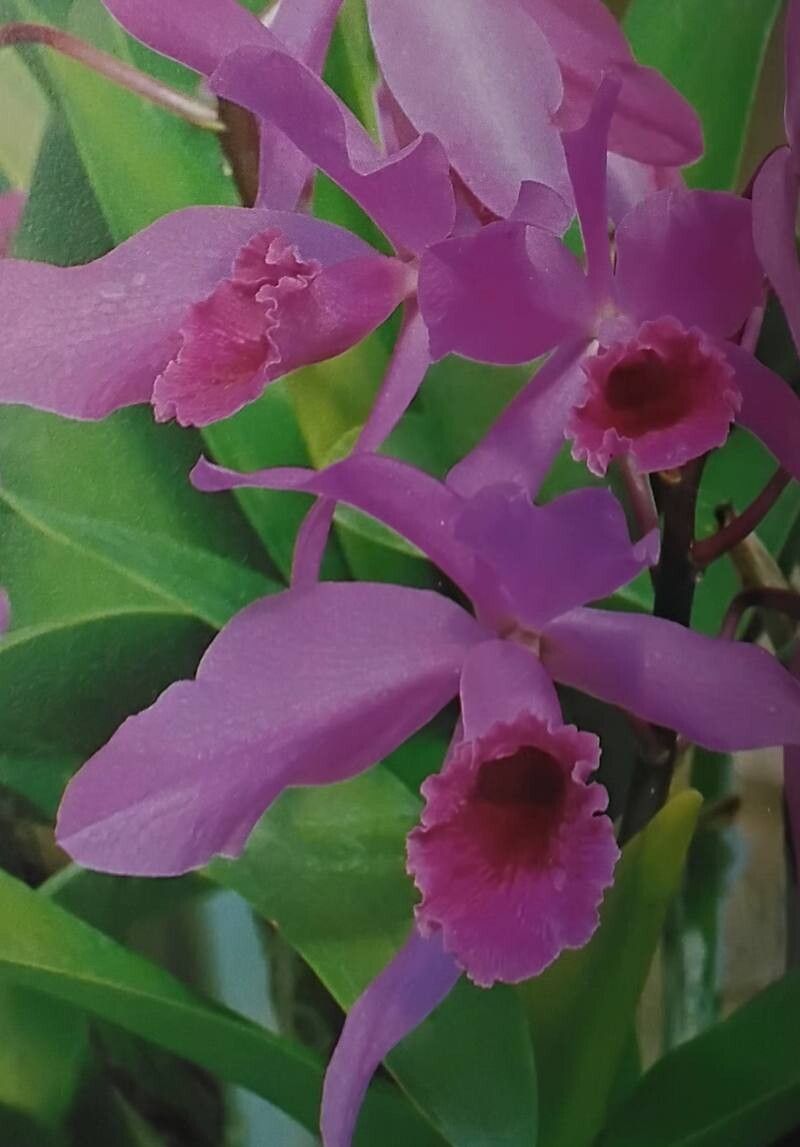
Hey there, fellow plant enthusiasts! Grab your favorite mug, and let’s chat about one of my absolute favorites: Cattleya jenmanii. If you’ve ever laid eyes on this orchid, you know its charm. Those stunning, often ruffled, petals and that captivating fragrance are simply irresistible. And the best part? You can bring more of that beauty into your home by propagating it!
Now, I’ll be upfront: Cattleya jenmanii isn’t the most forgiving plant for absolute beginners. It enjoys a bit of specific care, but with a touch of patience and the right approach, you’ll find propagating it quite rewarding. Watching a tiny piece of your beloved orchid develop into a new, independent plant is a special kind of magic.
The Best Time to Start
When it comes to Cattleya jenmanii, timing is everything for a successful propagation. The sweet spot is during its active growth phase. This typically happens in the spring and early summer, just as new growths are really taking off or after the plant has finished its blooming cycle. You want to see signs of vigorous new roots or plump new pseudobulbs forming. Trying to propagate when the plant is dormant is like asking a sleepy bear to do jumping jacks – it just won’t yield the best results.
Supplies You’ll Need
Gathering your supplies before you begin makes the whole process smoother. Here’s what I always have on hand:
- Sterilized Potting Shears or a Sharp Knife: Cleanliness is paramount to prevent disease.
- Potting Mix: A well-draining orchid mix is crucial. I love a blend of coarse bark, perlite, and charcoal. Some growers even use a bit of sphagnum moss, but keep it airy!
- New Pots: Small pots or even seedling trays are perfect for your new babies. Make sure they have excellent drainage.
- Rooting Hormone (Optional but Recommended): This can give your cuttings a little nudge. Look for one specifically for orchids.
- Clean Water: For misting and watering.
- Labels and a Permanent Marker: So you don’t forget what you propagated and when!
- Bottom Heat Mat (Optional): This can really speed things up, especially in cooler climates.
Propagation Methods
For Cattleya jenmanii, the most reliable method is division. Grafting is also an option for some growers, but division is far more accessible for us home enthusiasts.
Division: Sharing the Love
Division is essentially dividing a mature plant into smaller sections, each with its own healthy roots and pseudobulbs.
- Assess Your Plant: Look for divisions that have at least two to three healthy pseudobulbs and a good root system.
- Gently Remove from Pot: Carefully coax your Cattleya out of its current pot. If it’s stuck, gently work around the edges with a blunt tool.
- Clean the Roots: Gently wash away old potting mix from the root ball. This allows you to see the connections between pseudobulbs and the root structure clearly.
- Locate the Rhizome: The rhizome is the woody stem that connects the pseudobulbs. You’ll need to make a clean cut through this.
- Make the Cut: Using your sterilized shears or knife, make a clean cut through the rhizome, separating your chosen division. Ensure each division has healthy roots. If there are any mushy or dead roots, trim them away.
- Optional: Rooting Hormone: If your division looks a little bare in the root department, dip the cut end into rooting hormone.
- Pot Up Your New Plants: Place each division in a small pot with your well-draining orchid mix. Position the plant so the pseudobulbs are at or slightly above the surface of the mix. Don’t pack the mix too tightly.
- Initial Watering: Water sparingly at first. You want the potting mix to be slightly moist, not soggy. Some growers even wait a day or two after potting to water, allowing any minor wounds to heal.
The “Secret Sauce” (Pro Tips)
Here are a few things I’ve learned over the years that make a real difference:
- Let Wounds Dry: After dividing, it’s a good idea to let the cut surfaces on the rhizome air dry for a few hours, or even overnight, before potting. This helps prevent rot.
- Don’t Overwater, Ever! This is probably the most crucial tip for orchids. New divisions are especially susceptible to rot if kept too wet. Err on the side of underwatering until you see clear signs of new growth and root activity.
- Provide Good Airflow: Orchids thrive with good air circulation. This helps prevent fungal issues and encourages healthy growth.
Aftercare & Troubleshooting
Once your new Cattleya jenmanii is potted, place it in a location with bright, indirect light. Avoid direct sun, which can scorch the leaves. Keep the humidity relatively high, but ensure good airflow.
Water when the potting mix feels dry to the touch. This might be once a week, or even less frequently depending on your conditions. You can tell new roots are forming when you see them emerging from the base of the pseudobulbs and growing into the potting mix.
Now, about troubleshooting. The most common foe is rot. You’ll know you have rot if you see mushy, dark brown or black pseudobulbs or roots. If this happens, take your plant out of the pot immediately, trim away all the rotted parts with a sterile knife, and repot in clean, dry mix. You might need to let it heal in a drier environment for a while before resuming normal watering. If a pseudobulb turns completely black and soft, it’s usually a goner.
A Encouraging Closing
Propagating Cattleya jenmanii takes a little finesse, but the reward of seeing a new life emerge from your own efforts is immeasurable. Be patient, observe your plant closely, and don’t get discouraged if your first attempt isn’t perfect. Each orchid is a learning opportunity, and soon enough, you’ll be surrounded by the beauty of these magnificent blooms, all thanks to your own two green thumbs. Happy growing!
Resource:
https://identify.plantnet.org/k-world-flora/species/Cattleya%20jenmanii%20Rolfe/data